
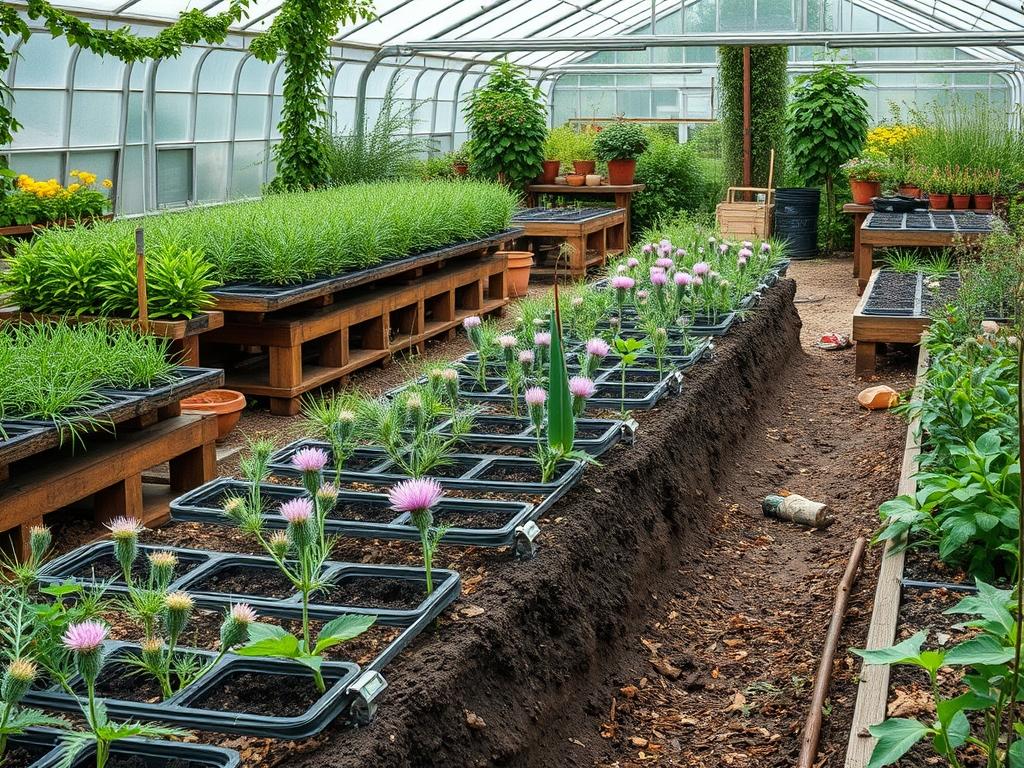
Effective landscape architecture requires a delicate balance between rigorous structural aesthetics and the functional ecological requirements of local wildlife. Designers often face a conflict when integrating native flora that possesses a “wild” appearance, such as the thistle, into high-end residential or commercial environments. However, the implementation of Native Thistle Management is a critical strategy for supporting the American Goldfinch, a bird whose life cycle is uniquely intertwined with these plants. Unlike many songbirds that nest in early spring, goldfinches wait until mid to late summer to begin their breeding season. This delay ensures that their primary resource, the thistle, has entered its seeding phase. Proper garden planning seeks to reconcile the perceived messiness of these plants with the sophisticated requirements of modern curb appeal and outdoor functionality. By applying architectural principles to the placement and upkeep of native thistles, we can create a landscape that serves as both a luxury retreat and a vital biological corridor.
The primary landscaping challenge lies in the distinction between invasive species and beneficial natives. Homeowners frequently mistake the aggressive Canada Thistle or Bull Thistle for their desirable native counterparts. From a professional standpoint, the focus must remain on species like Cirsium discolor or Cirsium altissimum, which provide the dense down used for nesting and the high-protein seeds required for fledgling development. Climate considerations also play a role; these plants are highly resilient to drought and heat, making them excellent candidates for xeriscaping in regions facing water restrictions. When structured correctly, a thistle-rich environment reinforces the property’s ecological value without compromising the clean lines expected in professional exterior design.
Landscape Design Principles
Integrating thistles into a high-end environment requires a mastery of symmetry and focal points. We utilize the tall, architectural stature of native thistles to create elevation layers within a bed. By placing these plants in the middle or rear of a border, they act as a vertical backdrop for lower-level ornamental grasses or perennials. This layering hides the lower, pricklier stems of the thistle while showcasing the vibrant purple blooms at eye level. Visual balance is achieved through repetition; planting thistles in structured groups rather than scattered individuals signals to the viewer that the presence of the plant is intentional rather than accidental.
The use of “frames” is a powerful tool in landscape design. By surrounding a patch of native thistles with a crisp flagstone walkway or a clean-edged steel garden border, the wildness of the plant is contained within an architectural boundary. This contrast between the organic, airy texture of the thistle and the solid, geometric lines of hardscaping elements creates a sophisticated outdoor living space. Furthermore, irrigation planning must account for the specific needs of these natives. While they are hardy, they benefit from well-draining soil and targeted drip lines that prevent the crown rot often seen in over-watered ornamental beds.
Plant and Material Selection
| Plant Type | Sun Exposure | Soil Needs | Water Demand | Growth Speed | Maintenance Level |
| :— | :— | :— | :— | :— | :— |
| Field Thistle | Full Sun | Sandy, Well-drained | Low | Moderate | Low |
| Tall Thistle | Part Shade | Rich Loam | Moderate | Fast | Moderate |
| Little Bluestem | Full Sun | Poor to Average | Very Low | Moderate | Very Low |
| Purple Coneflower | Full Sun | Loamy | Moderate | Fast | Low |
| River Rock | N/A | Drainage Base | N/A | N/A | Minimal |
| Hardwood Mulch | N/A | Organic Layer | N/A | N/A | Annual Refresh |
The materials listed above form the foundation of a bird-friendly, structurally sound landscape. Field Thistle serves as the primary attractor for goldfinches, while Little Bluestem provides a contrasting texture that remains attractive through the winter months. River Rock and Hardwood Mulch are essential for defining the garden’s footprint and managing moisture levels effectively.
Implementation Strategy
Successful Native Thistle Management begins with site preparation and grading. Before any planting occurs, the land must be graded to ensure that water moves away from the foundation of the home and toward a designed drainage area, such as a bioswale or a French drain. Poor drainage can lead to soil compaction, which hinders the root development of native species. Once the grade is established, designers should mark the locations for retaining walls or edging to create clear transitions between turf grass and native planting zones.
When installing the plants, depth is a critical factor. Thistles possess a significant taproot and require a minimum of 3 inches of organic mulch to regulate soil temperature while they establish. The planting layout should follow a grid or a soft curve to maintain a sense of order. Use a hand trowel to ensure the root ball is level with the soil surface. After planting, compact the soil lightly by hand to remove air pockets; avoid heavy tamping which can damage the delicate root structures. For high-traffic areas, the addition of permeable pavers or crushed granite walkways allows for human interaction with the garden without disturbing the habitat created for the goldfinches.
Common Landscaping Failures
The most frequent error in native landscaping is the failure to manage drainage, leading to anaerobic soil conditions that kill native seedlings. Many contractors assume that “native” means “indestructible,” but even the hardiest thistle will succumb to root rot if placed in a low-lying area without a proper drainage tile system. Another common mistake is root overcrowding. Because species like Tall Thistle can reach heights of over 6 feet, they require adequate spacing to allow for airflow. Poor circulation promotes powdery mildew, which can diminish the plant’s aesthetic appeal and its usefulness to birds.
Irrigation inefficiencies also plague these projects. Over-watering native plants encourages weak, leggy growth that tips over during summer storms. A professional contractor must calibrate the irrigation controller to account for the reduced water needs of established natives compared to traditional turf. Finally, soil compaction during the construction phase often goes unaddressed. If heavy machinery was used to install a patio or retaining wall, the surrounding soil must be aerated or amended with organic matter before thistles are introduced.
Seasonal Maintenance
Spring management focuses on the removal of dead stalks from the previous year, but this should be delayed until temperatures consistently rise above 50 degrees Fahrenheit. This delay protects overwintering insects that serve as a food source for birds. During this time, apply a thin layer of aged compost to provide slow-release nutrients without the nitrogen spikes caused by synthetic fertilizers.
Summer is the peak period for Native Thistle Management. As the plants bloom, monitor for the arrival of American Goldfinches. Professional maintenance during this season involves targeted weeding to ensure that invasive grasses do not choke out the thistle base. Do not deadhead the flowers; the goal is to allow them to go to seed. In autumn, the garden will take on a more rugged appearance as the thistles dry out. This is the stage where goldfinches are most active, harvesting the down for late-season nests and eating the seeds.
Winter maintenance is largely aesthetic. While many prefer to cut everything to the ground, leaving a portion of the thistle stalks provides essential cover for wildlife and adds “winter interest” to the landscape. The architectural skeletons of the plants, coated in frost, can be quite beautiful when viewed from a window. If the stalks must be removed for curb appeal, they should be composted on-site to return nutrients to the soil.
Professional Landscaping FAQ
How can I tell native thistles from invasive species?
Native thistles typically feature white or light grey undersides on their leaves. Invasive species, like Canada Thistle, generally have green undersides and spread aggressively through underground rhizomes. Check the leaf texture and color carefully before deciding to pull or keep the plant.
Do thistles require specific soil amendments?
Most native varieties thrive in poor or average soil. Excessive fertilization leads to floppy growth and reduced seed production. Ensure the site has adequate drainage, as standing water is the primary threat to the long-term health of a thistle colony.
How do I prevent thistles from taking over my entire lawn?
Use structural edging and a thick layer of mulch to define the growing zone. Deadheading a portion of the flowers before they go to seed can also limit self-sowing, though you must leave enough for the goldfinches to utilize.
When is the best time to plant for goldfinches?
Late spring or early autumn is ideal for transplanting. This allows the root system to establish before the stress of high summer or deep winter. Planting in groups ensures a concentrated food source that birds can easily locate.
Will thistles attract other unwanted pests?
While thistles attract pollinators and birds, they are rarely the primary cause of pest infestations. Their prickly nature actually serves as a deterrent for deer and rabbits, making them a functional choice for properties struggling with browsing wildlife.