
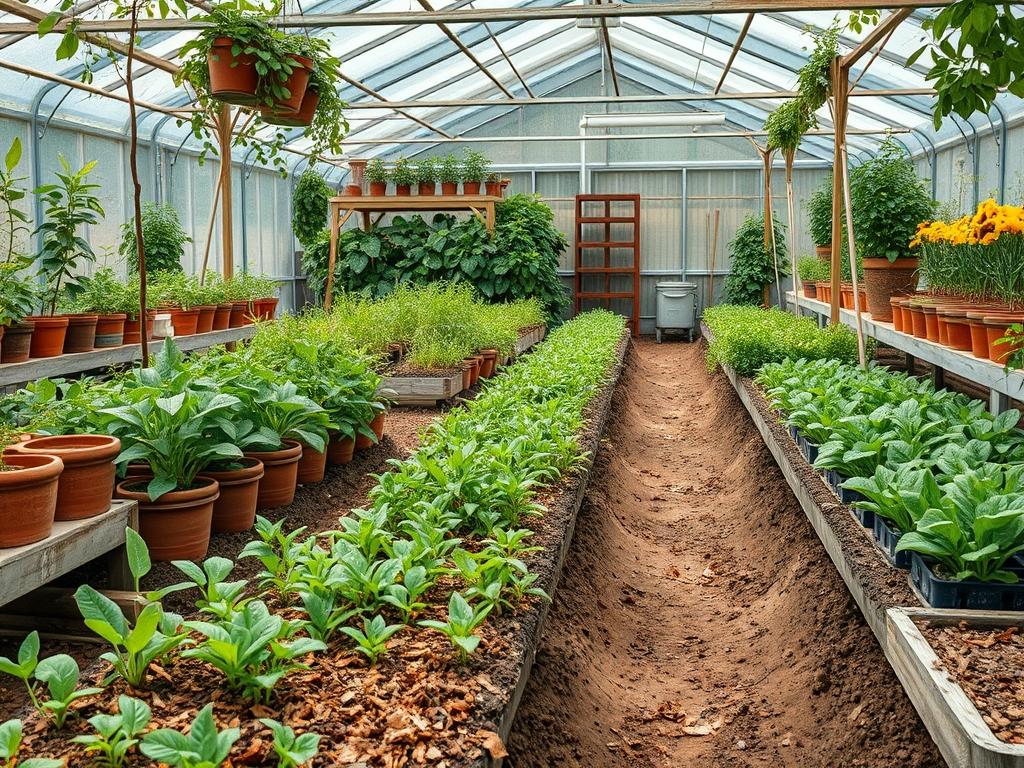
Modern landscape architecture is currently undergoing a fundamental shift as regional climates become increasingly unpredictable and water resources grow more precious. For years, the industry relied on consistent, high-volume irrigation to maintain lush, green aesthetics that often felt disconnected from their natural environments. However, the professional consultant today must look backward to move forward. Traditional dry farming techniques, which have sustained agricultural civilizations for millennia in arid regions like the Mediterranean and the American Southwest, offer a sophisticated framework for creating beautiful, resilient outdoor environments. These methods do not merely revolve around selecting plants that do not need water. Instead, they focus on managing the soil as a massive, living reservoir. By treating the landscape as a self-sustaining ecosystem rather than a decorative overlay, we can create high-end curb appeal that remains vibrant even during the peak of summer heat. This approach prioritizes the long-term health of the soil and the natural root development of the flora, ensuring that the outdoor functionality of a property remains intact without the constant draw on municipal water supplies.
Success in a dry-farmed landscape begins with a thorough site analysis which identifies microclimates, wind patterns, and solar orientation. A landscape architect must envision the property not just as a 2D plan, but as a biological system that traps and stores every drop of seasonal rainfall. The challenge lies in balancing the sparse, open aesthetic required for dry farming with the lush, layered visual interest expected in residential design. To achieve this, we rely on strategic plant placement and the manipulation of ground topography. By implementing these ancient strategies, we reduce the dependency on mechanical irrigation systems, which are prone to failure and costly maintenance. This transition requires a mindset shift from the immediate gratification of a saturated garden to the slow, steady growth of a landscape that is deeply anchored in its native soil.
Landscape Design Principles
Effective dry farming in a residential landscape relies on the principle of wide spacing and deep rooting. Unlike standard ornamental gardens where plants are packed together for immediate fullness, a dry-farming layout requires significant distance between specimens. This spacing ensures that each plant has an exclusive subterranean territory from which to draw residual moisture during the dry months. To maintain visual balance in these open spaces, we utilize focal points such as retaining walls, boulders, and decorative hardscaping. These elements provide the “weight” and structure that plants would normally offer, creating a sense of intentionality and symmetry even when the vegetation is sparse.
Elevation and grading are the most critical tools in the architect’s kit for moisture management. We design the landscape to include swales and berms that slow down runoff and encourage infiltration into the deep soil sub-layers. Instead of directing rainwater toward the street or storm drains, the site is graded to “harvest” water during the rainy season. This stored moisture becomes the primary life support for the garden. We also pay close attention to vertical layers, using taller, more resilient species to provide dappled shade for smaller, sensitive ground covers. This layering reduces the soil surface temperature and minimizes evaporation. Walkways and paths are constructed using permeable materials like decomposed granite or loose gravel to ensure that any incidental rainfall penetrates the earth rather than pooling or evaporating on concrete surfaces.
Plant and Material Selection
| Plant Type | Sun Exposure | Soil Needs | Water Demand | Growth Speed | Maintenance Level |
| :— | :— | :— | :— | :— | :— |
| California Poppy | Full Sun | Sandy/Poor | Very Low | Fast | Low |
| Lavender | Full Sun | Well-drained/Rocky | Low | Moderate | Pruning Required |
| Agave Americana | Full Sun | Gritty/Dry | Negligible | Slow | Minimal |
| Coast Live Oak | Partial to Full | Deep Loam | Low (once established) | Slow | Yearly Inspection |
| Russian Sage | Full Sun | Alkaline/Dry | Low | Fast | Seasonal Cutback |
| Rosemary | Full Sun | Any Well-Drained | Low | Moderate | Light Pruning |
| Manzanita | Partial Sun | Acidic/Rocky | Very Low | Slow | Minimal |
Implementation Strategy
The transition to a dry-farmed landscape starts with the preparation of the soil, long before the first plant is placed in the ground. We begin with a process called deep tillage or broadforking to break up soil compaction at depths of 12 to 18 inches. This allows roots to penetrate deep into the cooler, moister subsoil. Once the soil is aerated, we incorporate a high-quality compost to increase the organic matter content, which effectively acts as a sponge. The garden layout is then surveyed and marked, ensuring a minimum distance of 4 to 6 feet between larger shrubs and trees. This spacing is vital; in dry farming, the soil between the plants is not “empty” space but is actually the water storage zone for the adjacent root systems.
After planting, the implementation of a “dust mulch” or a heavy layer of organic mulch is necessary. Dust mulching is a traditional technique where the top 2 to 3 inches of soil are lightly cultivated to create a fine, loose texture that breaks the capillary action of water rising to the surface, effectively sealing moisture into the ground. In more modern residential applications, we often replace this with a 3 to 4 inch layer of wood chips or bark mulch. Edging is used to keep these materials in place and to define the clean lines of the beds. For drainage, we install French drains or gravel-filled trenches in areas where water naturally collects, rerouting it toward the “root zones” of the largest trees. This strategic grading prevents root rot while maximizing the utility of every precipitation event.
Common Landscaping Failures
One of the most frequent mistakes in dry-farmed landscapes is the over-application of surface water during the establishment phase. When a plant is watered frequently and lightly, it develops a shallow, lazy root system that remains near the hot surface of the soil. When the dry season hits, these plants quickly wither. The goal of dry farming is to force roots downward. Proper implementation requires “training” the plants through infrequent but extremely deep watering sessions during their first year. Another common failure is the use of landscape fabric or plastic liners under mulch. These barriers restrict air exchange and prevent the natural “breathability” of the soil, which can lead to anaerobic conditions and stunted growth.
Root overcrowding is a significant issue in drought-prone areas. Homeowners often want an “instant garden” and plant too many specimens close together. Within two years, these plants begin to compete for the limited moisture trapped in the soil, leading to a decline in the health of the entire bed. Furthermore, failing to account for soil texture is a major pitfall. Clay-heavy soils hold water well but can become brick-hard when dry, while sandy soils drain too quickly to sustain dry farming without significant organic amendments. Ignoring the specific drainage needs of individual species often leads to localized “drowning” if the grading is not executed with precision to prevent pooling near the crown of the plant.
Seasonal Maintenance
Seasonal management of a dry-farmed landscape differs significantly from traditional gardening. In the spring, the focus is on “closing” the soil. This involves refreshing the mulch layers and performing a final deep soak if the winter rains were insufficient. This is also the time to prune any frost damage and to weed aggressively. Weeds are more than an eyesore; in a dry-farmed system, they are water thieves that can deplete the soil reservoir before your primary plants can access it. During the summer, maintenance is surprisingly minimal. The goal is to avoid disturbing the soil or the plants. We monitor for signs of extreme stress, but generally, the less the soil is moved, the less moisture is lost to evaporation.
As autumn approaches, we prepare the site for the return of the rains. This is the optimal time for “grading maintenance,” which involves cleaning out swales and ensuring that drainage paths are clear of debris. In some regions, we may plant cover crops like clover or vetch to protect the soil surface from erosion during heavy winter storms. In the winter, the landscape architect observes the flow of water across the site. We take notes on where water pools and where it runs off too quickly, allowing for adjustments to the hardscaping or retaining walls in the following spring. This cycle of observation and minimal intervention creates a landscape that matures and strengthens with age.
Professional Landscaping FAQ
What is the primary difference between xeriscaping and dry farming?
Xeriscaping focuses on low-water plants and efficient irrigation. Dry farming is a cultural practice that relies entirely on stored soil moisture from the rainy season to sustain growth through the summer without any supplemental irrigation once plants are established.
How do you prevent soil compaction in a dry landscape?
Avoid heavy machinery and excessive foot traffic on planting beds. Use defined walkways built with decomposed granite. Incorporating organic matter and using a broadfork for initial aeration helps maintain the soil structure and pore space required for moisture retention.
Can I use dry farming techniques in a small urban backyard?
Yes, though you must scale the plants appropriately. Use smaller species and emphasize “micro-harvesting” by directing rain from downspouts into sunken garden beds. Focus on high-quality mulch and deep-root training to maximize the limited soil volume available in urban settings.
Is organic mulch better than stone or gravel mulch?
Organic mulch, like wood chips, improves soil health as it decomposes and holds more moisture. Stone mulch is excellent for heat-loving succulents and prevents crown rot, but it can increase soil temperature. The choice depends on the specific plant species and climate.
When is the best time to start a dry-farmed landscape?
The ideal time is late autumn or early winter, just before the rainy season. This allows the plants to establish their root systems while the ground is naturally moist, reducing the need for manual watering during the critical first few months of growth.