
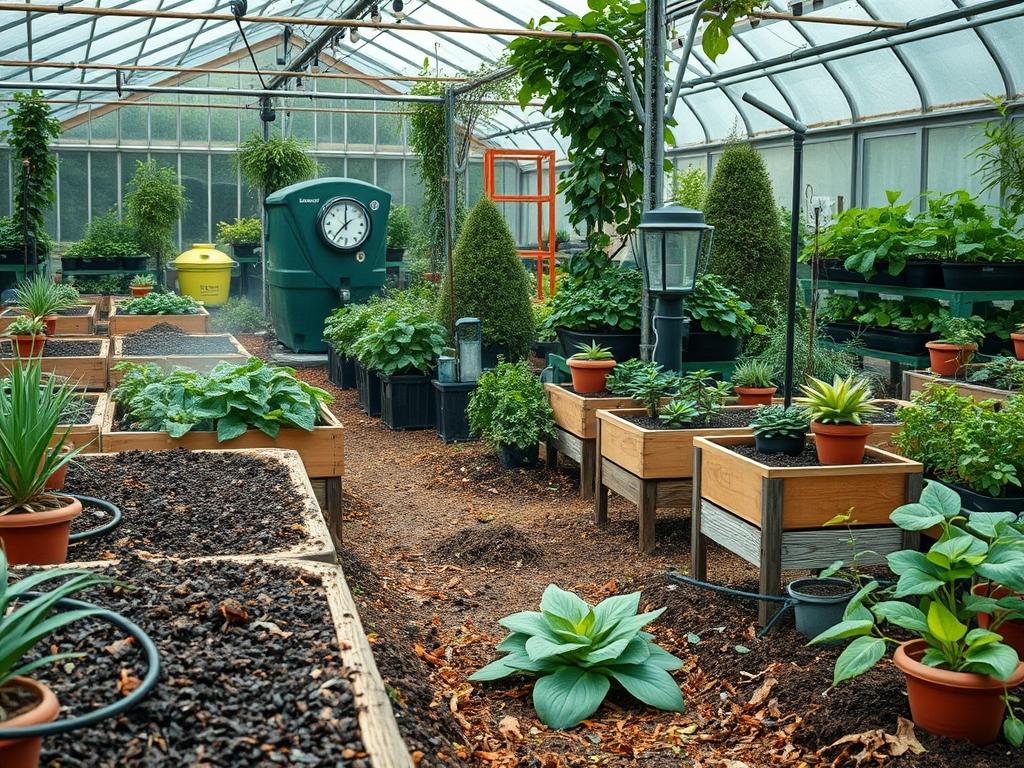
In many coastal and arid microclimates, the atmospheric moisture held within fog represents an untapped hydrological goldmine for the modern landscape. Gardeners and architects frequently struggle with low precipitation; however, utilizing fog catchers for gardens can provide a sustainable, passive irrigation source that simultaneously adds a striking vertical element to the landscape design. These structures, whether biological or engineered, engage with the local wind patterns to harvest suspended water droplets, which then coalesce and drip into collection basins or directly onto root zones. This approach does more than simply provide water. It transforms the outdoor environment into a functional ecosystem that prioritizes resource efficiency without sacrificing aesthetic appeal. Integrating these elements requires a keen understanding of fluid dynamics, site orientation, and material longevity to ensure the installation enhances curb appeal while maintaining high performance.
Designing a landscape around fog harvesting requires a departure from traditional horizontal thinking. Instead, the architect must consider the vertical plane as a primary catchment area. When we look at a site, we are not just looking at the ground. We are looking at the air moving across it. A well designed fog catcher serves as a focal point, similar to a contemporary sculpture or a trellis, but its primary function is the interception of advection fog. By strategically placing these catchers at the highest elevation points or along the windward edges of a property, we can create a natural gravity-fed irrigation system. This foresight reduces the reliance on municipal water and lowers the energy footprint of the garden. Furthermore, the visual rhythm of these structures can define boundaries, create privacy screens, and add a sense of movement to the backyard.
Landscape Design Principles
Effective fog harvesting integration relies on the core tenets of symmetry and visual balance to ensure the structures do not appear out of place. We often use the principle of focal points by centering a primary fog collector within a circular garden bed or at the terminus of a stone walkway. This draws the eye upward and creates a sense of intentionality in the design. Elevation layers are critical here. Placing several smaller collectors at varying heights can mimic the natural layering of a forest canopy, which increases the total surface area for moisture collection without overwhelming the site with a single massive structure.
Irrigation planning must be integrated into the foundation of the design. Rather than letting the harvested water pool at the base of the collector, we design subsurface drainage systems or decorative runnels that direct the flow toward high demand zones. Walkways should be planned to provide access for maintenance without compacting the soil near the collection points. Visual balance is achieved by mirroring the height of the fog catcher with dense, low level plantings. This creates a psychological sense of stability, as the tall, airy mesh of the catcher is grounded by solid, earthy textures at its base.
Plant and Material Selection
The following table outlines the species and materials most effective for fog-rich environments and the construction of harvesting systems.
| Plant or Material Type | Sun Exposure | Soil Needs | Water Demand | Growth Speed | Maintenance Level |
| :— | :— | :— | :— | :— | :— |
| Coast Redwood | Full Sun to Shade | Deep, loamy | High (Natural) | Fast | Moderate |
| Torrey Pine | Full Sun | Sandy, well-drained | Low | Moderate | Low |
| Raschel Mesh | N/A | N/A | N/A | N/A | Low (Cleaning) |
| Stainless Steel Wire | N/A | N/A | N/A | N/A | Low |
| Native Sword Fern | Partial to Full Shade | Rich, moist | Moderate | Slow | Low |
| Common Juniper | Full Sun | Rocky, poor | Low | Slow | Very Low |
| 316 Stainless Steel | N/A | N/A | N/A | N/A | Low |
Implementation Strategy
The implementation process begins with a detailed topographical survey to identify the prevailing wind direction during fog events. Once the site is mapped, we begin with grading. The area beneath and around the fog catcher must be graded with a 1 percent to 2 percent slope to ensure that any excess runoff moves away from structural foundations and toward the intended planting beds. We then install the primary support posts, typically made of 4-inch by 4-inch pressure-treated timber or 3-inch diameter galvanized steel pipe. These posts are set in 18-inch deep concrete footings to withstand the wind load created by the mesh surface.
The mesh itself, usually a 35 percent shade cloth or a specialized polypropylene Raschel mesh, is stretched taut between the posts using 1/8-inch stainless steel tensioning cables. We recommend a double layer of mesh to increase the coalescence surface. At the base of the mesh, a 4-inch PVC gutter or a carved stone trough is installed to catch the dripping water. This trough connects to 1-inch HDPE piping that runs underground to the root zones of nearby plants. To finish the installation, we apply a 3-inch layer of organic cedar mulch around the base to prevent evaporation and suppress weeds. Edging with natural flagstone or weathered steel provides a clean transition between the collection area and the rest of the garden.
Common Landscaping Failures
One of the most frequent errors in fog catcher installation is the neglect of wind load calculations. A mesh panel acts as a sail during high wind events. Without deep footings and proper tensioning, the entire structure can collapse or lean, ruining the visual symmetry of the landscape. Another common failure is improper drainage at the collection point. If the soil becomes saturated and lacks a drainage pathway, it can lead to soil compaction and root rot for the very plants the system was intended to support.
Improper spacing between catchers and existing trees can lead to root overcrowding and competition for the newly harvested moisture. We must also be wary of salt buildup in coastal areas. Fog often carries salt, and as water evaporates from the mesh, salt crystals can accumulate, eventually killing the vegetation below if it is not regularly flushed. Finally, many installers fail to use UV-stabilized materials. Non-stabilized plastics will degrade and become brittle within 12 to 24 months under direct sun, leading to a messy and ineffective system that requires total replacement.
Seasonal Maintenance
Seasonal upkeep is essential for maintaining the efficiency and appearance of a fog harvesting landscape. In the spring, the primary focus is on cleaning. Dust and pollen can clog the pores of the Raschel mesh, reducing its ability to trap water. A gentle wash with a low-pressure hose is usually sufficient. This is also the time to inspect all irrigation emitters and HDPE piping for leaks or blockages caused by winter debris.
Summer maintenance involves monitoring the tension of the support cables. Heat can cause materials to expand, potentially sagging the mesh and reducing its effectiveness. During autumn, as the deciduous components of the landscape begin to drop leaves, it is crucial to clear the PVC collection gutters and troughs. Accumulated leaf litter can rot and contaminate the water supply or cause overflows that erode the surrounding mulch. In winter, if the region experiences freezing temperatures, the collection system should be drained to prevent the pipes from bursting. Even though fog may still be present, the risk of ice expansion in the valves and fittings outweighs the benefits of collection during the coldest months.
Professional Landscaping FAQ
How much water can a standard fog catcher collect?
In high-fog coastal regions, a 10-foot by 3-foot panel can harvest between 1 and 5 gallons of water per day. Collection rates depend heavily on wind speed, fog density, and the surface area of the 35 percent shade cloth.
What is the best material for a natural-looking fog catcher?
For an organic aesthetic, use redwood lattice or natural cedar frames combined with dark green mesh. Incorporating biological catchers like Coast Redwoods or Torrey Pines alongside structural catchers creates a seamless, professional appearance that blends with existing flora.
Is harvested fog water safe for all garden plants?
Generally, yes. Fog water is naturally distilled and very soft, but it may contain trace salts in seaside locations. It is ideal for acid-loving plants and native species but may require occasional soil buffering if salt levels rise.
Do fog catchers require a pump to work?
No, fog catchers are entirely passive. They rely on the wind to move moisture through the mesh and gravity to pull the coalesced drops into the collection gutters. This makes them an exceptionally low-energy solution for remote landscape irrigation.
Does a fog catcher impact the wind in my garden?
Yes, a larger catcher acts as a windbreak. By strategically placing the structure, you can create a sheltered microclimate on the leeward side, which is beneficial for protecting delicate ornamental plants from harsh, drying winds.