
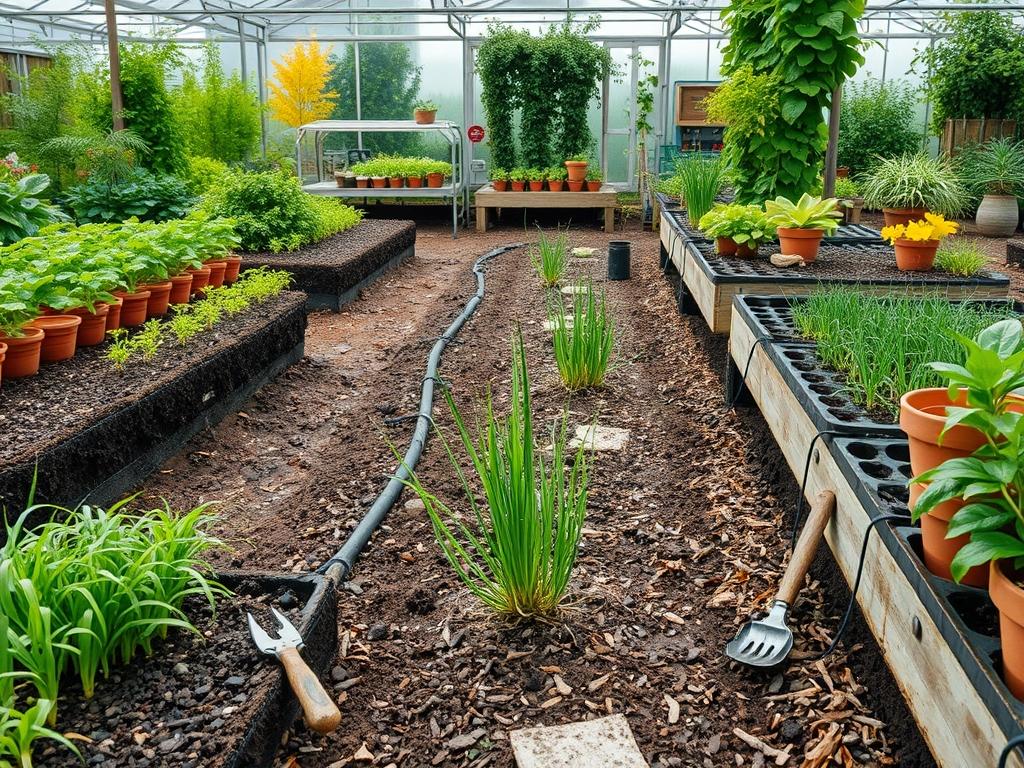
Sustainable landscaping begins with the integrity of the base materials, particularly the genetic quality and purity of the vegetation. As a landscape architect, I have found that the most resilient environments often rely on locally harvested species that have adapted to specific microclimates over decades. Natural Grass Seed Cleaning through the traditional method of wind-sifting is a vital bridge between field harvesting and architectural implementation. When managing large-scale estates or restorative urban designs, the ability to process raw seed on-site ensures that the landscape remains authentic to its ecological niche while significantly reducing the carbon footprint associated with commercial seed transport and processing. This approach treats the garden not as a static arrangement of plants, but as a living system capable of self-perpetuation.
In the context of modern curb appeal and outdoor functionality, the presence of clean, high-germination seed determines the success of meadow-style installations. Commercial seed often contains fillers or non-native contaminants that can disrupt the visual balance of a carefully planned garden. By mastering traditional wind-sifting, a designer can curate exact seed blends that respond to the light levels, soil moisture, and wind patterns of a specific property. This level of precision is what separates a generic lawn from a sophisticated, sustainable outdoor environment. Proper cleaning removes the inert material, known as chaff, which avoids the accumulation of mold and fungus in the newly prepared seedbed. Consequently, the resulting turf or meadow exhibits a uniform density and a professional finish that enhances the architectural lines of the home.
Landscape Design Principles
Successful garden planning relies on the foundational principles of symmetry and focal points to guide the viewer’s eye through the space. When integrating naturalized grasses, these principles must be balanced with the organic irregularity of the plants. Elevation layers are essential; for example, using lower-growing species like Blue Grama near the edges of Flagstone Walkways while placing taller, structural grasses like Big Bluestem toward the rear of the property. This layering creates a sense of depth and volume that mimics natural ecosystems while maintaining a structured, intentional aesthetic.
The placement of these grass zones must also account for irrigation planning and drainage. Natural Grass Seed Cleaning contributes to this by providing the pure seed needed for high-density sowing in bioswales or rain gardens. These functional landscape features are designed to capture and filter runoff, requiring a robust root system that only clean, viable seed can provide. By coordinating the sowing density with the expected water flow, a landscape architect can prevent erosion and ensure that the irrigation system operates with maximum efficiency. Visual balance is achieved when the textures of the grasses contrast with hardscaping elements, such as Granite Retaining Walls or Ipe Wood Decking, creating a sophisticated dialogue between the built and natural worlds.
Plant and Material Selection
| Plant Type | Sun Exposure | Soil Needs | Water Demand | Growth Speed | Maintenance Level |
| :— | :— | :— | :— | :— | :— |
| Buffalo Grass | Full Sun | Clay/Loam | Very Low | Slow | Low |
| Little Bluestem | Full Sun | Well-Drained | Low | Moderate | Low |
| Switchgrass | Full/Part Sun | Diverse | Moderate | Fast | Medium |
| Tufted Hairgrass | Part Shade | Moist/Boggy | High | Moderate | Medium |
| Side-Oats Grama | Full Sun | Rocky/Sandy | Low | Moderate | Low |
| Indiangrass | Full Sun | Deep/Rich | Moderate | Fast | Medium |
Implementation Strategy
The process of Natural Grass Seed Cleaning using wind-sifting follows a specific tactical workflow to ensure maximum purity. First, the harvested stalks and seed heads must be thoroughly dried in a controlled environment until the husks become brittle. In a professional layout, this processing often occurs in a utility zone or a greenhouse. Once dry, the material is threshed manually or with a flail to separate the seed from the stems. The wind-sifting phase, or winnowing, involves dropping the threshed material from a height of approximately 48 Inches onto a clean Heavy-Duty Tarp. On a day with a steady, gentle breeze, the wind will carry away the lighter chaff and dust, while the denser, heavier seeds fall vertically into the collection area. If the natural wind is inconsistent, a high-velocity Pedestal Fan can be used to provide a controlled air stream.
Following the cleaning, the site must be prepared with precise grading to ensure a 2 percent slope away from the primary residence. This prevents water from pooling and drowning the delicate new seeds. Edging is then installed using Steel Landscape Edging to create sharp transitions between the grass zones and the garden beds. The cleaned seed is broadcast at a rate determined by the species; typically 4 to 6 Pounds per 1,000 Square Feet for most native mixes. To protect the seed from avian predation and to maintain moisture, a thin layer of Double-Shredded Hardwood Mulch or agricultural straw is applied to a depth of 0.25 Inches. This transition from traditional seed processing to modern site implementation creates a landscape that is both ecologically sound and visually stunning.
Common Landscaping Failures
One of the most frequent errors in garden planning is failing to account for proper drainage. Even when using high-quality results from Natural Grass Seed Cleaning, the seeds will rot if they are placed in compacted soil that lacks a clear percolation path. This often occurs when heavy machinery or consistent foot traffic has compressed the earth, leaving no room for oxygen or root expansion. Furthermore, many homeowners fail to realize that improper seed cleaning leaves behind weed seeds and fungal spores. If these are not removed during the sifting process, the new garden will be plagued by competition from invasive species, requiring expensive and environmentally damaging chemical interventions later.
Another common failure is root overcrowding due to improper initial spacing. Landscape architects must plan for the mature width of each grass species. For instance, if large bunchgrasses are planted too closely, the lack of airflow between the plants creates a humid microclimate that encourages rust and mildew. Irrigation inefficiencies also lead to widespread disappointment. Over-watering native species, which are adapted to lean conditions, can cause “lodging,” where the grass stems become weak and flop over, ruining the intended architectural structure of the garden. Successful landscapes require a disciplined approach to both the biological materials and the physical environment they inhabit.
Seasonal Maintenance
Landscape management begins in the spring with a focus on clearing debris and monitoring the initial germination of the autumn-sown seeds. This is the time to check the Irrigation Controllers and ensure that the Drip Emitters are not clogged by winter silt. As the temperatures rise, the young grasses will require consistent moisture until their root systems reach a depth of at least 6 Inches. During the summer, maintenance shifts to monitoring for invasive weeds and ensuring that the visual lines of the landscape remain crisp. This may involve trimming the edges of the grass zones where they meet Pea Gravel Paths or Concrete Curbing.
Autumn is the primary season for seed harvesting and the execution of Natural Grass Seed Cleaning. This is when the landscape professional gathers the mature seed heads for the following year’s expansion or for local restoration projects. The grasses should be allowed to turn golden and drop their seeds naturally if possible, providing late-season interest and food for local wildlife. In the winter, the structural remains of the grasses should be left standing to protect the crowns from frost and to provide winter interest. The “winter interest” phase is a critical component of professional design, as the frozen textures of the seed heads against a snowy backdrop offer a sculptural quality that complements the home’s architecture.
Professional Landscaping FAQ
How does wind-sifting improve seed germination?
Wind-sifting removes empty husks and lightweight debris that cannot grow. By isolating the heavy, viable seeds, you ensure that every square inch of your soil is utilized by healthy plants, leading to a much higher and more uniform germination rate.
What is the best wind speed for cleaning grass seed?
A steady breeze between 5 and 8 Miles Per Hour is ideal. If the wind is too strong, it will blow away the viable seeds along with the chaff. If it is too light, the debris will not separate effectively.
Can I use any tarp for the seed collection?
It is best to use a Silver or White Polyethylene Tarp. These colors provide a high-contrast background that makes it easy to see the seed and any remaining contaminants, ensuring the final output is as clean as possible for sowing.
When should I harvest seeds for wind-sifting?
Harvest should occur when the seed heads are fully brown and the seeds fall easily into your hand when rubbed. For most northern climates, this timeframe falls between Late August and Early October, depending on the specific grass species.
Is cleaning grass seed necessary for small gardens?
Yes, because uncleaned seed contains organic matter that can foster mold in small, enclosed garden spaces. Natural Grass Seed Cleaning ensures that your small-scale landscape remains healthy and free from the pathogens that often thrive in the debris of raw harvest.