
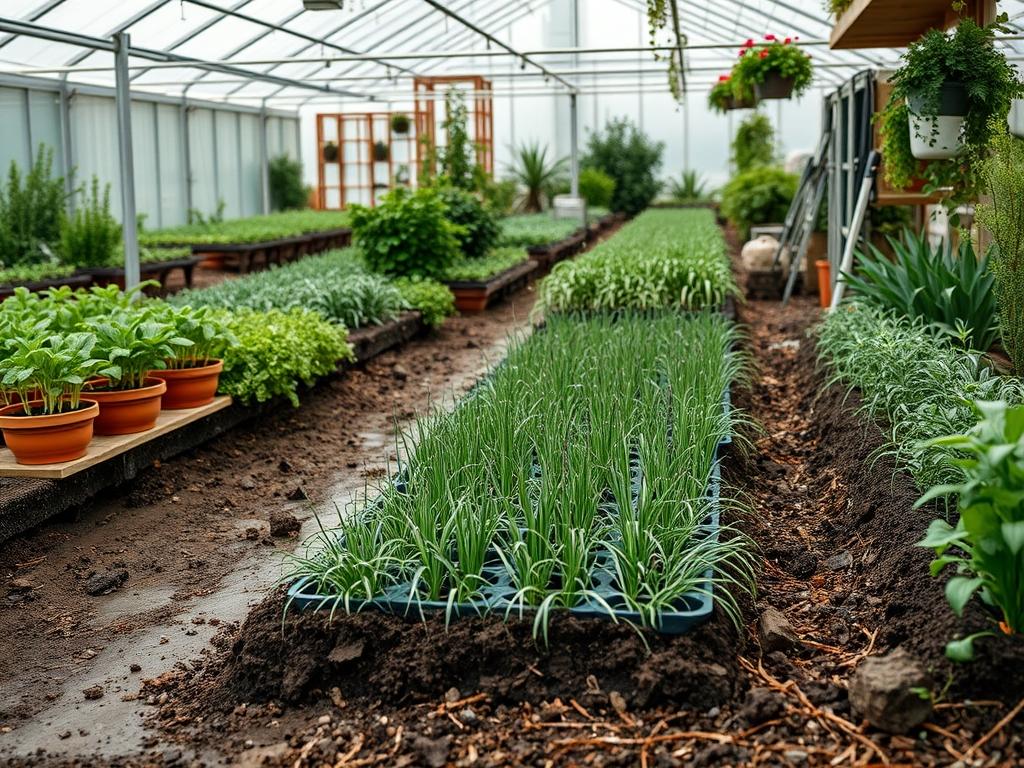
Winter dormancy often leaves high-end landscapes looking barren and vulnerable to the elements, threatening the structural integrity of the soil and the aesthetic continuity of the property. For a landscape architect, the challenge during the cold months is twofold: maintaining curb appeal while ensuring the ground remains biologically active and protected. This is where the strategic use of a Rye and Vetch Cover Mix becomes an essential tool in the designer’s arsenal. Unlike static mulch or bare earth, this green manure combination provides a living tapestry that prevents erosion, suppresses winter weeds, and builds soil fertility for the following spring. It transforms a dormant garden bed into a functional, vibrant component of the outdoor environment, ensuring that the transition between seasons is both ecologically sound and visually cohesive. By treating the winter ground cover as a deliberate design choice rather than an afterthought, we can manage the outdoor living space as a year-round asset.
Landscape Design Principles
Integrating a Rye and Vetch Cover Mix into a professional landscape plan requires an understanding of symmetry and focal points. When the lush green leaves of summer fade, the topography of the land becomes more apparent. Using cover crops allows the architect to define the “bones” of the garden through color and texture transitions. For instance, sowing a dense mix of Cereal Rye and Hairy Vetch in curved, geometric patterns can mirror the lines of permanent Walkways or Retaining Walls, maintaining a sense of intentionality even in the depths of January. The contrast between the upright, structural stalks of the rye and the soft, trailing vines of the vetch creates a layered elevation that mimics the complexity of more permanent plantings.
Proper irrigation planning is equally vital during the establishment phase. Even though winter precipitation often provides sufficient moisture, the initial germination period requires a consistent water schedule to ensure uniform coverage. A well-designed landscape utilizes high-efficiency Drip Irrigation or Rotary Nozzles to cover these transition zones without creating runoff. Furthermore, the selection of the mix must respect the visual balance of the property. Using a Rye and Vetch Cover Mix in large open swaths can act as a placeholder for future Native Grasses or Perennial Borders, keeping the soil structure intact while the homeowner decides on long-term hardscaping or planting additions. This approach prevents the “construction site” look that often plagues gardens in transition.
Plant and Material Selection
| Plant Type | Sun Exposure | Soil Needs | Water Demand | Growth Speed | Maintenance Level |
| :— | :— | :— | :— | :— | :— |
| Cereal Rye | Full Sun | Highly Adaptable | Low | Very Fast | Moderate |
| Hairy Vetch | Full to Partial | Well-drained | Moderate | Medium | Low |
| Winter Wheat | Full Sun | Loamy/Clay | Low | Medium | Low |
| Crimson Clover | Full Sun | Sandy/Loam | Moderate | Slow | Moderate |
| Daikon Radish | Full Sun | Loose/Deep | Moderate | Fast | Low |
The primary components of our recommended mix, Cereal Rye and Hairy Vetch, work in a symbiotic relationship. The rye provides the structural support, acting as a trellis for the vetch as it climbs and expands. This duo is particularly effective in high-traffic landscapes where soil compaction is a risk. The deep, fibrous roots of the rye penetrate the subsoil, while the vetch fixes atmospheric nitrogen, essentially providing a free fertilization treatment for the spring planting cycle.
Implementation Strategy
The successful application of a Rye and Vetch Cover Mix begins with precision site preparation. We start with Grading, ensuring the site has a subtle slope, typically 2 percent, to direct excess winter moisture away from the home’s foundation and into designated French Drains or Rain Gardens. Once the grade is established, the soil surface should be lightly raked to remove debris and break up any surface crusting. This allows for optimal seed-to-soil contact, which is the most critical factor in germination.
For professional results, we recommend a sowing rate of 60 pounds per acre for the rye and 20 pounds per acre for the vetch. In a residential backyard setting, this translates to roughly 2 pounds of the combined mix per 1,000 square feet. Using a Broadcast Seeder ensures even distribution, preventing the patchy appearance that can ruin the curb appeal of a luxury property. After seeding, the area should be lightly rolled or tamped down. Applying a thin layer of Straw Mulch or Wood Chips along the perimeter can help define the edges and protect the seeds from avian scavenging. If the mix is being integrated into a bed with existing Hardscaping, we use Steel Edging to create a crisp, clean border that prevents the rye from creeping into Walkways or Gravel Paths.
Common Landscaping Failures
One of the most frequent mistakes in winter cover cropping is improper drainage management. If the Rye and Vetch Cover Mix is planted in a low-lying area that collects standing water, the seeds will rot before they can establish a root system. Landscape architects must ensure that the Sub-base is porous enough to handle spring thaws. Another common failure is root overcrowding. While a dense stand is desirable for weed suppression, over-seeding can lead to stunted growth and a lack of air circulation, which invites fungal pathogens.
Irrigation inefficiencies also play a major role in cover crop failure. Many homeowners shut off their systems too early in the autumn, leaving the young seedlings to perish during an Indian summer or a particularly dry October. Conversely, improper spacing between the cover crop and permanent Foundation Plantings like Boxwoods or Holly can lead to competition for nutrients. We recommend leaving a 12-inch buffer zone of Organic Mulch between the cover crop and the drip line of established shrubs to prevent the rye from siphoning off necessary moisture. Finally, failing to terminate the crop at the right time in the spring can result in the rye becoming “woody,” making it difficult to incorporate back into the soil or to mow.
Seasonal Maintenance
Managing a Rye and Vetch Cover Mix requires a rhythmic approach to the calendar. In the Autumn, the focus is on establishment and hydration. This is the time to verify that your Irrigation Sensors are properly calibrated to account for the cooling temperatures while still providing the moisture needed for the vetch to find its footing. We monitor the growth height, looking for a strong 4-inch stand before the first hard frost sets in.
During the Winter, the landscape remains largely passive. However, the architect should inspect the site for any signs of Soil Compaction or erosion after heavy rain events. The living roots of the mix will be working underground, but the surface may appear dormant. In the Spring, timing is everything. The Rye and Vetch Cover Mix must be terminated before it goes to seed, typically when the vetch begins to show its purple blossoms. We use a String Trimmer or a Mower set to its lowest height, then incorporate the green biomass back into the soil as a Nitrogen-rich amendment. In the Summer, once the cover crop has decomposed, the soil is primed for Ornamental Grasses or High-yield Vegetables, benefiting from the improved tilth and nutrient profile created during the winter months.
Professional Landscaping FAQ
When is the ideal time to sow the Rye and Vetch Cover Mix?
For most temperate climates, sow the mix approximately 30 to 45 days before the first killing frost. This window allows the root systems to establish enough strength to survive the winter and provide immediate spring growth.
Can this mix be used in shaded areas of the landscape?
While Cereal Rye is somewhat shade-tolerant, Hairy Vetch requires significant sunlight to thrive. In heavily shaded zones, consider reducing the vetch ratio or opting for a more shade-hardy species like Fine Fescue for winter protection.
How does this mix affect the drainage of my backyard?
The deep rooting action of the rye significantly improves drainage by creating macro-pores in the soil. This reduces surface runoff and helps prevent the “sponge effect” often seen in heavy clay soils during the spring thaw.
Is specialized equipment needed to remove the cover crop?
For residential gardens, a standard Lawn Mower or high-powered String Trimmer is sufficient. The goal is to cut the stalks at the base. Large properties may require a Flail Mower for efficient termination and soil integration.
Will the vetch become invasive in my perennial beds?
Hairy Vetch is an annual and will not become a permanent weed if terminated before it produces seed. By mowing the crop when it reaches the 50 percent bloom stage, you harness the benefits without the risk of self-seeding.