
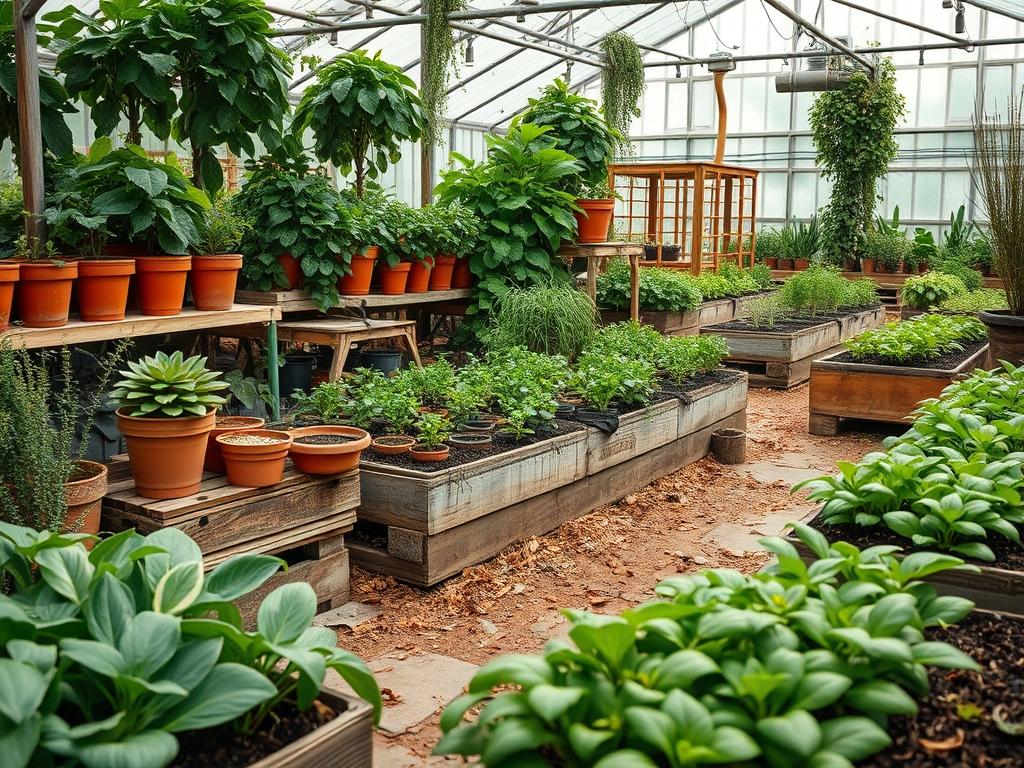
Integrating utilitarian native flora into a modern residential landscape requires a delicate balance between ecological stewardship and aesthetic precision. For homeowners and developers in Mediterranean climates, the challenge often lies in moving beyond purely ornamental gardens toward functional, low-impact environments. One of the most versatile yet overlooked candidates for such a design is Chlorogalum pomeridianum, commonly known as the wavy-leafed soaproot. While many see it as a wild, lanky plant that disappears during the peak heat of summer, a skilled landscape architect views it as an essential tool for drought-tolerant design and sustainable outdoor living. Beyond its role in erosion control and habitat restoration, this plant provides a historical and practical solution for gentle cleaning tasks in the garden, making it a cornerstone of a truly functional landscape.
The primary landscape challenge with soaproot involves its seasonal cycle. It emerges with striking, wavy-edged basal leaves in late winter, providing a lush green texture when many other perennials are still dormant. However, as the heat increases, the plant focuses its energy on a tall, airy flower stalk that can reach 5 feet in height. Because the foliage often withers while the flowers bloom at night, placement is critical. A successful design integrates this plant where its early-season greenery provides curb appeal, but its dormant phase is masked by neighboring evergreen shrubs or ornamental grasses. This ensures the garden maintains a high-end visual rhythm year-round while honoring the plant’s natural life cycle and water-saving benefits.
Landscape Design Principles
In professional garden planning, we rely on symmetry and focal points to guide the eye and create a sense of order. When using Soaproot, symmetry is often achieved by grouping the plants in clusters rather than scattered individuals. This creates a more intentional look that mimics natural drifts found in high-elevation meadows. Elevation layers are equally important. We typically place the low-growing rosettes near the front of a border or along the edges of Flagstone Walkways. This allows the unique texture of the leaves to be appreciated up close, while the tall flower stalks in the summer provide a delicate, ethereal layer that does not block the view of larger background elements like California Sycamore or Coast Live Oak.
Visual balance in a sustainable landscape also relies on the contrast between soft biological elements and hardscaping. The fine, wispy nature of the soaproot flower stalk provides a perfect architectural foil to heavy Stone Retaining Walls or Structural Concrete. By planning for these layers during the initial design phase, we create a multidimensional space that feels both grounded and airy. Irrigation planning for these areas must be precise. Because Soaproot is a bulbous perennial adapted to dry summers, it requires a zone-based approach where it can be grouped with other low-water natives. Excessive summer watering near the bulbs can lead to fungal rot, so we often design these beds with a slight grade to ensure rapid drainage away from the crown of the plant.
Plant and Material Selection
Selecting the right companions is vital for a cohesive aesthetic. When incorporating Natural Soaproot Uses into a landscape, the surrounding materials should reflect the earthy, functional nature of the space. We recommend using Decomposed Granite or a Fine Bark Mulch to provide a clean backdrop for the rosettes. The following table outlines the requirements for soaproot and its ideal architectural companions.
| Plant Type | Sun Exposure | Soil Needs | Water Demand | Growth Speed | Maintenance Level |
| :— | :— | :— | :— | :— | :— |
| Chlorogalum pomeridianum | Full Sun to Part Shade | Well-draining, Sandy/Loam | Very Low | Moderate | Minimal |
| Arctostaphylos (Manzanita) | Full Sun | Rocky, Lean Soil | Very Low | Slow | Low |
| Muhlenbergia rigens (Deer Grass) | Full Sun | Most Soil Types | Low | Fast | Annual Cut-back |
| Salvia apiana (White Sage) | Full Sun | Well-draining, Dry | Very Low | Moderate | Low |
| Ceanothus (California Lilac) | Full Sun to Part Shade | Well-draining | Low | Fast | Moderate |
Implementation Strategy
The successful installation of a native-focused garden starts with site preparation. We begin by assessing the Grading of the area to ensure that water moves away from building foundations and toward designated Bioswales or drainage basins. For Soaproot, which grows from a deep, fibrous bulb, the soil must be loosened to a depth of at least 12 inches. While the plant is adaptable, we avoid heavy clay sites unless they are amended with Lava Rock or Coarse Sand to improve porosity.
During the layout phase, we use Edging Tools to define crisp lines between the planting beds and the circulation paths. This structural definition prevents the garden from looking overgrown. We recommend planting soaproot bulbs in the autumn, coinciding with the first rains. Dig a hole roughly 4 inches deep and space the bulbs approximately 18 inches apart to allow for the spread of the mature rosettes. Once the plants are in the ground, a layer of Wood Chips or Walk-on Bark should be applied at a depth of 3 inches. This mulch helps suppress competitive weeds and moderates soil temperature during the initial establishment period. For the functional cleaning aspect, we often designate a small “utility nook” near an outdoor sink where a few accessible specimens can be harvested for their fibrous bulbs. To use the plant for cleaning, the bulb is dug up and the outer brown fibers are stripped away. These fibers themselves can be used as a natural scouring pad for Garden Shears or Shovels. The inner white bulb is then crushed and rubbed with water to create a rich, gentle lather for washing hands after a day of landscape maintenance.
Common Landscaping Failures
One of the most frequent mistakes in native landscaping is the “monoculture trap,” where a single species is over-used without regard for seasonal gaps. With Soaproot, if a designer plants a massive swath of them without interplanting, the area will appear empty and brown once the plants go dormant in late July. We mitigate this by using the “masking technique,” placing the bulbs behind structural evergreens that retain their leaves year-round.
Another common failure is improper irrigation timing. Installing a standard spray system that runs every three days will quickly kill native bulbs. Professional systems should utilize Pressure-Compensated Drip Emitters that can be turned off entirely during the summer months once the plants are established. Furthermore, soil compaction is a silent killer in new developments. Heavy machinery used during construction crushes the soil structure, preventing the deep-reaching roots of the soaproot from penetrating the earth. We always recommend a thorough Aeration and the addition of Organic Compost before any native planting begins to ensure a healthy root-to-soil interface.
Seasonal Maintenance
Managing a landscape with Chlorogalum pomeridianum requires a different tempo than a traditional lawn. In the spring, maintenance focuses on monitoring for pests like snails, which find the succulent wavy leaves appetizing. As the flower stalks begin to rise, we may stake the larger ones if they are located in high-traffic areas where they might lean over Patios or Benches.
Summer maintenance is largely about restraint. This is the period of dormancy for many native bulbs. We advise clients to resist the urge to water when the leaves turn yellow. Instead, let the plant retreat into its bulb. Once the evening-blooming flowers have finished and the seeds have dropped, the dried stalks can be pruned back to the ground using Bypass Pruners. This keeps the garden tidy. In autumn, a fresh thin layer of Mulch can be applied. When the winter rains arrive, the cycle begins again, and the rosettes will push through the soil with renewed vigor. For those utilizing the plant for its saponins, this is the time to harvest older bulbs, ensuring that you leave enough of the younger offshoots to maintain the colony for future years.
Professional Landscaping FAQ
How often should I water soaproot after it is established?
Once established, soaproot typically requires no supplemental summer water. In extreme droughts, a deep soak once a month in the spring can help. Excessive water during the summer dormancy period will frequently cause the bulb to rot and die.
Can soaproot be grown in decorative containers or pots?
Yes, but the container must be at least 14 inches deep to accommodate the large, fibrous bulb and extensive root system. Use a fast-draining Cactus Mix and ensure the pot has large drainage holes to prevent standing water.
Is the lather from the soaproot bulb safe for sensitive skin?
Natural soaproot contains saponins, which provide a gentle, low-sudsing wash. While it has been used traditionally for centuries, it is always wise to perform a small patch test on the skin first to ensure no specific botanical allergies exist.
What is the best way to handle the brown fibers on the bulb?
These fibers are exceptionally tough and water-resistant. In a landscape context, they can be composted, but they also make excellent natural brushes. Simply bundle the dried fibers together and tie them with Jute Twine to create a sustainable scrubbing tool.
Will soaproot attract local wildlife to my garden?
Absolutely. The evening-blooming flowers are a primary food source for native silk moths and other nocturnal pollinators. Maintaining these plants helps support a healthy local ecosystem, bringing a sense of movement and life to the evening garden environment.