
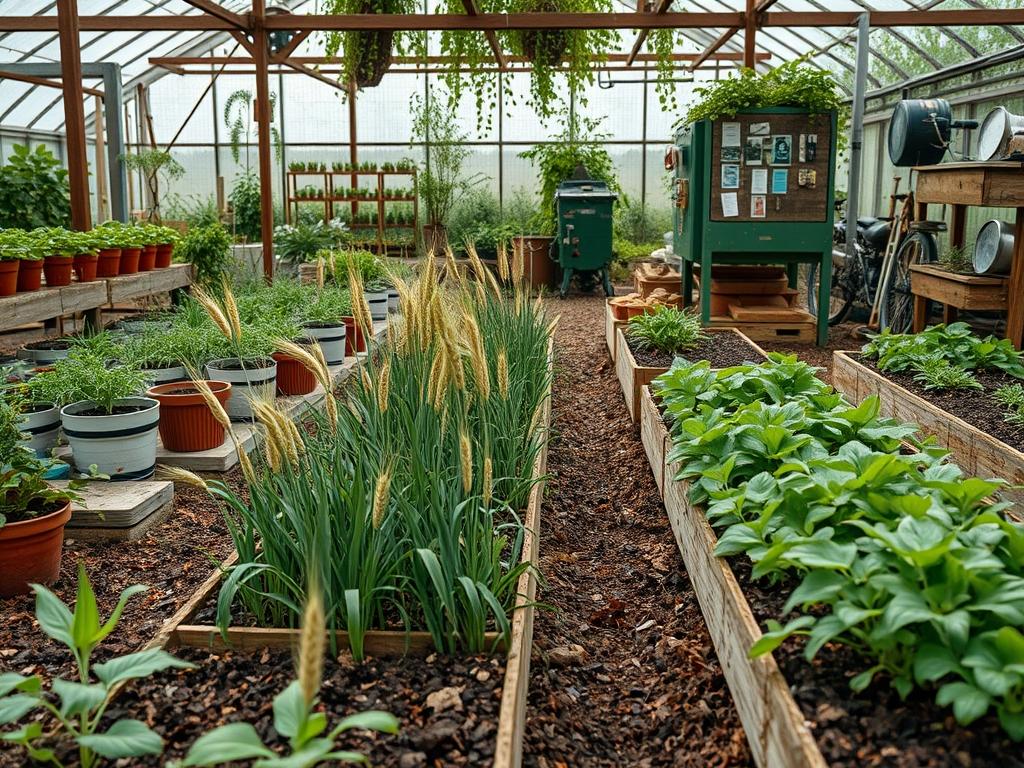
Integrating heritage grains into a residential or commercial landscape requires a shift in perspective from traditional ornamental gardening toward functional, historical land management. When we approach a project involving saving ancient emmer wheat, we are not merely planting a crop; we are designing a living museum that demands specific environmental controls to ensure genetic purity and seed viability. The chief landscaping challenge lies in balancing the tall, rustic aesthetic of Emmer Wheat with the structured expectations of modern curb appeal. Because this ancient grain can reach heights of 3 feet to 5 feet, it must be positioned strategically within the outdoor environment to prevent a cluttered appearance while maximizing exposure to necessary climatic variables. Professional designers must consider the topography of the site, ensuring that the microclimate supports the long growing season required for these hulls to mature fully. The goal is to create a landscape that functions as a high yield seed bank without sacrificing the outdoor living functionality that homeowners expect, such as clear transit paths and defined recreational zones.
Landscape Design Principles
Successful integration of heritage grains starts with the principle of elevation layering. In a professional layout, Ancient Emmer Wheat serves as a mid ground or background texture. Placing it behind lower, structured perennials like Boxwood or Blue Fescue creates a visual anchor that prevents the wheat from looking like neglected overgrowth. Symmetry plays a vital role here. By framing a stand of wheat with mirrored hardscape elements, such as Granite Cobblestone or Steel Edging, the eye perceives the grain as an intentional design choice. Focal points should be used to draw attention away from the drying stalks during the late summer harvest phase. A large Basalt Birdbath or a contemporary Core-Ten Steel sculpture can provide this necessary visual diversion.
Irrigation planning for seed saving is different from standard turf management. High moisture during the flowering stage can lead to fungal issues like powdery mildew, which ruins the seed heads. Therefore, the landscape must be designed with distinct hydrozones. Walkways should be wide, at least 48 inches, to allow for air circulation and easy access during the hand harvesting process. Utilizing permeable materials like Crushed Limestone for paths ensures that water does not pool near the root systems. Visual balance is achieved by contrasting the fine, vertical lines of the wheat stalks with broad leaf shrubs or flat hardscape surfaces, providing a textural counterpoint that grounds the entire composition.
Plant and Material Selection
| Plant Type | Sun Exposure | Soil Needs | Water Demand | Growth Speed | Maintenance Level |
| :— | :— | :— | :— | :— | :— |
| Emmer Wheat | Full Sun | Well Drained Loam | Low to Medium | Moderate | Medium |
| Russian Sage | Full Sun | Sandy/Gravelly | Very Low | Fast | Low |
| Creeping Thyme | Full Sun | Lean Soil | Low | Fast | Low |
| Switchgrass | Full Sun/Part Shade | Adaptable | Moderate | Fast | Low |
| Dwarf Conifer | Part Sun | Rich Loam | Medium | Slow | Medium |
| River Rock | N/A | Sub-base Prep | N/A | N/A | Low |
Implementation Strategy
The process begins with precise site grading. For a grain focused landscape, we aim for a 2 percent slope away from any permanent structures to prevent water accumulation. Once the grade is established, the garden layout is marked using Surveyor Stakes and String Lines. If the soil is heavy clay, we incorporate 3 inches of Coarse Sand and organic compost to a depth of 8 inches to improve percolation. Drainage is further enhanced by installing a French Drain system if the topography includes low spots where water naturally collects.
Hardscaping should be installed before any seeds hit the ground. For edging, we recommend Professional Grade Steel Edgings installed 4 inches deep to prevent the spread of invasive turf grass into the wheat beds. Once the skeleton of the garden is in place, we apply a 2 inch layer of Pine Bark Mulch to the surrounding ornamental areas, but we keep the wheat beds clear or use a very light dusting of Straw Mulch to mimic its natural environment. When planting the Emmer Wheat, we use a seed drill or hand sow in rows spaced 8 inches apart, ensuring every seed is buried at a depth of 1.5 inches. This structured approach allows for easy weeding and ensures that when the grain ripens, the architect can easily navigate the space to assess the quality of the husks.
Common Landscaping Failures
The most frequent error in heritage grain landscapes is improper drainage. If the sub-base is compacted, the roots of the grain will rot before the seeds can reach maturity. This is often caused by heavy machinery used during initial construction. To fix this, we utilize Broadforks or Mechanical Aerators to break up the hardpan before planting. Root overcrowding is another significant issue. While a dense stand of wheat looks beautiful, it restricts airflow. This leads to moisture traps that encourage pests. We advise a thinning strategy if the initial germination is too thick.
Improper spacing between the grain and the hardscape can also lead to failure. If wheat is planted too close to a Concrete Walkway, the heat radiation from the stone can desiccate the grain prematurely, leading to shriveled seeds that will not germinate the following year. Soil compaction from foot traffic is a silent killer of landscape health. We designate specific “maintenance paths” using Step Stones to ensure that the soil internal to the wheat beds remains loose and oxygenated. Finally, irrigation inefficiencies, such as using overhead sprinklers that wet the grain heads, must be avoided. Sub-surface Drip Irrigation is the professional standard for this application.
Seasonal Maintenance
Spring maintenance focuses on soil preparation and early weed suppression. As the ground thaws, we apply a light application of Organic Nitrogen to kickstart growth. We monitor for the first signs of germination and use a Scuffle Hoe to remove any competing weeds between the rows. This is also the time to check the Irrigation Controllers and ensure that all valves are functioning correctly before the summer heat arrives.
In the summer, the focus shifts to monitoring the ripening process. This is the most critical time for saving Ancient Emmer Wheat Seeds. We reduce irrigation significantly once the grain reaches the “milk stage” to encourage the plant to put its energy into the seed head. If the birds become a localized problem, we may install temporary Bird Netting or use Reflective Flash Tape to protect the crop. As the wheat turns from green to a golden bronze, we perform “snap tests” on the stalks to check for dryness.
Autumn is harvest and restoration season. We hand harvest the heads, leaving about 6 inches of stubble in the field to protect the soil surface from wind erosion. Once the harvest is complete, we may plant a cover crop like Crimson Clover to fix nitrogen back into the soil for the next cycle. This is also the time to replenish mulch in the ornamental sections and prune back any surrounding perennials that have finished their bloom cycle.
Winter maintenance is largely structural. We leave the dried stalks of companion grasses like Switchgrass to provide winter interest and habitat for beneficial insects. We inspect the Retaining Walls and Drainage Grates for any debris buildup or frost heave damage. In regions with heavy snow, we use a Roof Rake or Soft Brush to clear heavy loads from delicate shrubs, ensuring the landscape skeleton remains intact for the coming spring.
Professional Landscaping FAQ
How do I prevent my Emmer Wheat from looking like a patch of weeds?
Use architectural borders like Metal Edging or Stone Curves to define the space. Planting in organized rows rather than broadcasting seeds randomly provides a deliberate, maintained appearance that signals intentional design within the broader landscape.
Can I grow heritage grains in a small urban backyard?
Yes, use localized “pocket plantings” or large Terracotta Planters. High density planting in containers allows for controlled soil quality and easy mobility. This ensures the Emmer Wheat receives maximum sunlight while acting as a vertical textural accent.
What is the best way to handle irrigation for seed saving?
Install a dedicated Drip Irrigation zone for the wheat. This delivers water directly to the soil, keeping the foliage and seed heads dry. Maintaining dry heads is essential to prevent sprouting or molding before the harvest is complete.
Why did my wheat crop lodge and fall over after a storm?
Lodging usually results from excess nitrogen or overwatering, which creates weak, spindly stalks. Ensure your soil is balanced and utilize windbreaks like Wooden Fencing or Hedge Rows to protect the tall stalks from high velocity gusts.
How does mulch affect the health of ancient grains?
While mulch is great for ornamentals, heavy wood chips can trap too much moisture around grain stems. Use a thin layer of Clean Straw or Fine Gravel for the wheat beds to suppress weeds without risking fungal infections.