
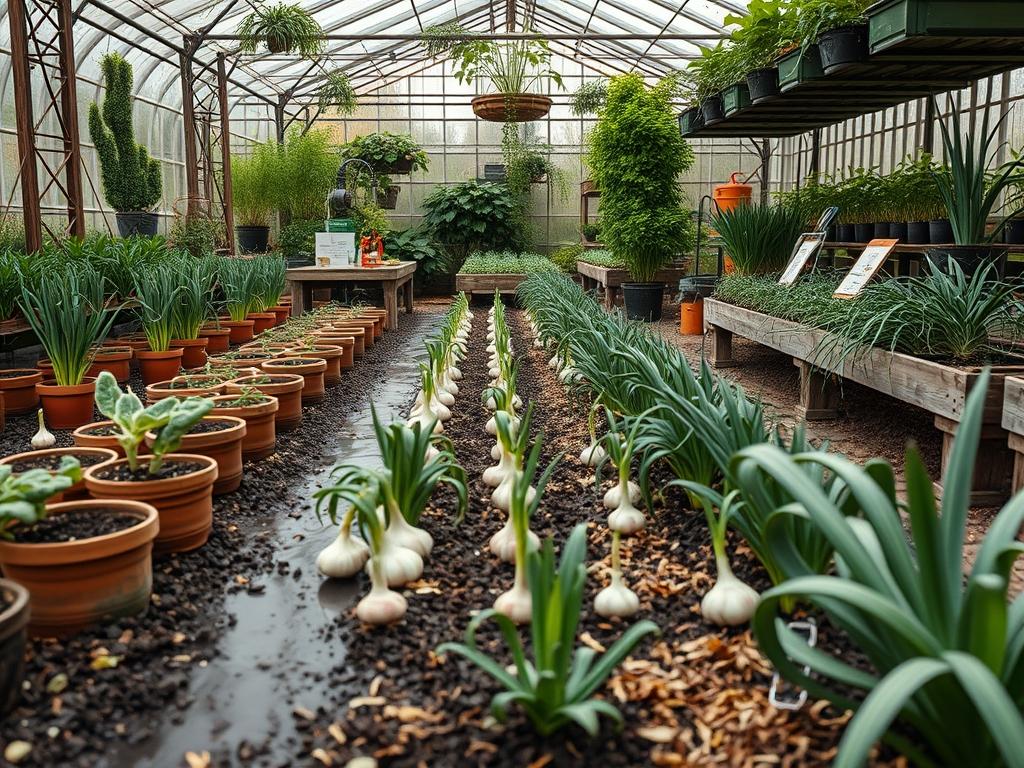
Integrating functional edible elements into a high-end residential landscape requires a sophisticated understanding of both aesthetic design and biological cycles. Landscaping is no longer just about ornamental shrubs and pristine lawns; it has evolved into a discipline that prioritizes food security, soil health, and seasonal transitions. One of the most rewarding additions to a professional garden plan is Ancestral Garlic Planting. When properly integrated into a fall landscape strategy, garlic serves as a structural placeholder that maintains garden utility through the dormant months. The timing of fall planting is critical because it utilizes the natural cooling of the earth to trigger root development without stimulating excessive top growth. This specialized approach ensures that the plant establishes a robust foundation before the hard freezes of winter arrive. From a design perspective, garlic provides a clean, linear aesthetic in the early spring, long before many traditional perennials have broken dormancy. By treating garlic as a key component of the outdoor environment, a consultant can maximize the productivity of a property while enhancing its overall curb appeal.
The primary landscape challenge with fall planting involves site selection and drainage management. Unlike many annual crops, garlic must sit in the ground for nearly nine months. This requires the landscape architect to consider how the planting beds will look during the winter and how the irrigation system will accommodate the specific needs of a subterranean bulb. Furthermore, ancestral varieties, which have been passed down through generations for their resilience and size, often require specialized soil amendments that differ from standard nursery plants. Planning for these needs in October or November ensures that the property remains functional and visually organized. A well-designed garden incorporates these edible elements into the wider master plan, ensuring that every square foot of soil contributes to the ecosystem.
Landscape Design Principles
When incorporating Ancestral Garlic Planting into a professional landscape, symmetry and focal points are essential. Garlic is often planted in rows, which can easily look like a messy farm plot if not handled with care. To maintain a high-end aesthetic, use garlic as a formal border along Steel Edging or defined Cedar Raised Beds. This creates a clean line that complements the architecture of the home. The linear growth of the garlic leaves in the spring provides a vertical texture that can be used to frame lower-growing herbs or flowers. By layering heights, you ensure that the garden has depth and visual interest throughout the growing season.
Irrigation planning is another vital design principle. Garlic requires consistent moisture during the spring thaw but must remain relatively dry during its final curing stage in mid-summer. Design the garden with separate zones for bulbs and ornamentals to avoid overwatering during the critical harvest window. Additionally, elevation plays a major role in the success of ancestral varieties. By creating slightly mounded beds or utilizing Terraced Retaining Walls, you ensure that water does not pool around the cloves. Poor drainage is the fastest way to ruin a professional landscape installation, especially when dealing with high-value ancestral stock that is prone to fungal pathogens in anaerobic soil.
Finally, consider the visual balance of the garden during the winter. Since garlic is planted beneath a heavy layer of Straw Mulch or Shredded Leaves, the beds can look empty. A landscape architect solves this by using decorative mulch colors or by flanking the garlic beds with evergreen shrubs like Boxwood or Yew. This provides structure and green color while the garlic develops its root system beneath the frost line.
Plant and Material Selection
Choosing the right materials and cultivars is the difference between a mediocre harvest and an impressive display of huge, pungent bulbs.
| Plant Type | Sun Exposure | Soil Needs | Water Demand | Growth Speed | Maintenance Level |
| :— | :— | :— | :— | :— | :— |
| Hardneck Garlic | Full Sun | Rich Loam | Moderate | Slow/Overwinter | Medium |
| Softneck Garlic | Full Sun/Partial | Sandy Loam | Moderate | Moderate | Low |
| Elephant Garlic | Full Sun | Well-Drained | High | Slow | High |
| Organic Compost | N/A | High Carbon | N/A | N/A | N/A |
| Alfalfa Pellets | N/A | Nitrogen Rich | N/A | N/A | N/A |
| Bone Meal | N/A | Phosphorus | N/A | N/A | N/A |
For ancestral planting, focus on Hardneck varieties like Chesnok Red or Music. These varieties are known for their architectural beauty and their ability to produce Scapes, which are curly flower stalks that add a whimsical element to the spring landscape. The soil should be amended with Aged Manure and Worm Castings to ensure a high nutrient density. Using high-quality Seed Garlic from a reputable nursery, rather than grocery store garlic, is mandatory for professional results.
Implementation Strategy
The process begins with professional site grading. Before the first hard frost, the soil must be loosened to a depth of at least 12 inches. This prevents compaction and allows the roots to penetrate deep into the substrate. Once the soil is prepared, the landscape consultant should oversee the application of a 2-inch layer of finished compost. This organic matter improves soil structure and provides the slow-release nutrients that ancestral varieties require for maximum bulb expansion.
Spacing is the next critical factor. For large bulbs, cloves should be spaced exactly 6 inches apart in rows that are 12 inches apart. Use a Landscaping Line to ensure perfectly straight rows, which maintains the formal design of the garden. Each clove should be planted with the pointed end up, approximately 3 to 4 inches deep. If the soil is particularly sandy, increase the depth slightly to protect the clove from temperature fluctuations. After planting, drench the area with a Liquid Seaweed Solution to stimulate root growth.
The final step in the implementation phase is the application of mulch. In a professional landscape, mulch serves two purposes: insulation and aesthetics. Apply 4 to 6 inches of clean straw or shredded hardwood mulch. This layer prevents “frost heaving,” a phenomenon where the soil expands and contracts, pushing the cloves out of the earth. A thick mulch layer also suppresses weed growth in the spring, reducing the need for manual maintenance and keeping the garden beds looking pristine.
Common Landscaping Failures
The most frequent mistake in garlic planting is poor drainage planning. If the garlic is planted in a low-lying area of the property, the winter snowmelt will collect in the beds, causing the bulbs to rot before they ever sprout. Professional planners must assess the Topography of the site and install French Drains or raised planters if necessary to divert excess water. Soil compaction is another common failure, often caused by heavy foot traffic or the use of heavy machinery near the planting beds. Once garlic is planted, the soil should never be stepped on; use Flagstone Step Stones to provide access for maintenance without compressing the root zone.
Improper spacing and root overcrowding can also lead to stunted growth. If the cloves are planted too close together, they will compete for limited nitrogen and sulfur, resulting in small bulbs that lack the impressive size expected from ancestral strains. Additionally, many gardeners fail to remove the Scapes in early summer. If the plant is allowed to put energy into seed production, the bulb size will decrease by as much as thirty percent. A landscape manager ensures these scapes are harvested at the peak of their curl, providing a gourmet edible crop while simultaneously benefiting the underground bulb.
Seasonal Maintenance
Seasonal management is what separates a backyard hobbyist from a professional landscape consultant. In the Fall, the focus is entirely on soil preparation and planting. This is the time to test the soil pH, aiming for a range between 6.5 and 7.0. If the soil is too acidic, apply Dolomitic Lime to balance the chemistry.
During the Winter, the landscape remains largely dormant, but the consultant should monitor the mulch layer. High winds can strip the mulch away, exposing the soil to the elements. If gaps appear, they must be filled immediately to maintain the thermal blanket over the bulbs. As the ground begins to thaw in the Spring, the first green shoots will emerge. This is the signal to apply a nitrogen-rich fertilizer, such as Blood Meal or a Fish Emulsion, to encourage rapid foliage development. Large leaves are the solar panels of the plant; the more leaf surface area the garlic has in April and May, the larger the bulb will be in July.
In the Summer, maintenance shifts toward water management and harvest timing. Irrigation should be consistent until the lower leaves of the plant begin to turn brown. At this point, water must be withheld entirely to allow the outer skins of the garlic to dry and harden. Harvesting usually occurs in mid-July. Use a Garden Fork to gently lift the bulbs from the earth, taking care not to bruise the delicate skins. Once harvested, the garlic must be cured in a shaded, well-ventilated area for three to four weeks before the foliage is trimmed.
Professional Landscaping FAQ
How deep should garlic be planted for optimal size?
Plant individual cloves 3 to 4 inches deep in well-drained soil. Deep planting protects the clove from extreme temperature swings during the winter and provides the physical space necessary for the bulb to expand without hitting the surface.
Can I use grocery store garlic for my landscape?
No, grocery store garlic is often treated with growth inhibitors to prevent sprouting. Furthermore, it is usually a softneck variety not suited for all climates. Always source Certified Seed Garlic to ensure vigor and disease resistance.
When is the best time to apply mulch?
Apply mulch immediately after planting in the late fall. A layer of 4 to 6 inches of organic material like straw acts as insulation, maintaining a stable soil temperature and preventing the garlic from being pushed out by frost.
Why are my garlic bulbs consistently small?
Small bulbs are typically the result of poor drainage, soil compaction, or a lack of nitrogen in the early spring. Ensure the site is well-drained and provide a high-nitrogen feed once the first shoots are 6 inches tall.
Does garlic require a lot of water in the winter?
Garlic requires very little water during its dormant winter phase. Normal precipitation is usually sufficient. Overwatering in the winter can lead to fungal issues and bulb rot; only resume consistent irrigation when active growth starts in the spring.