
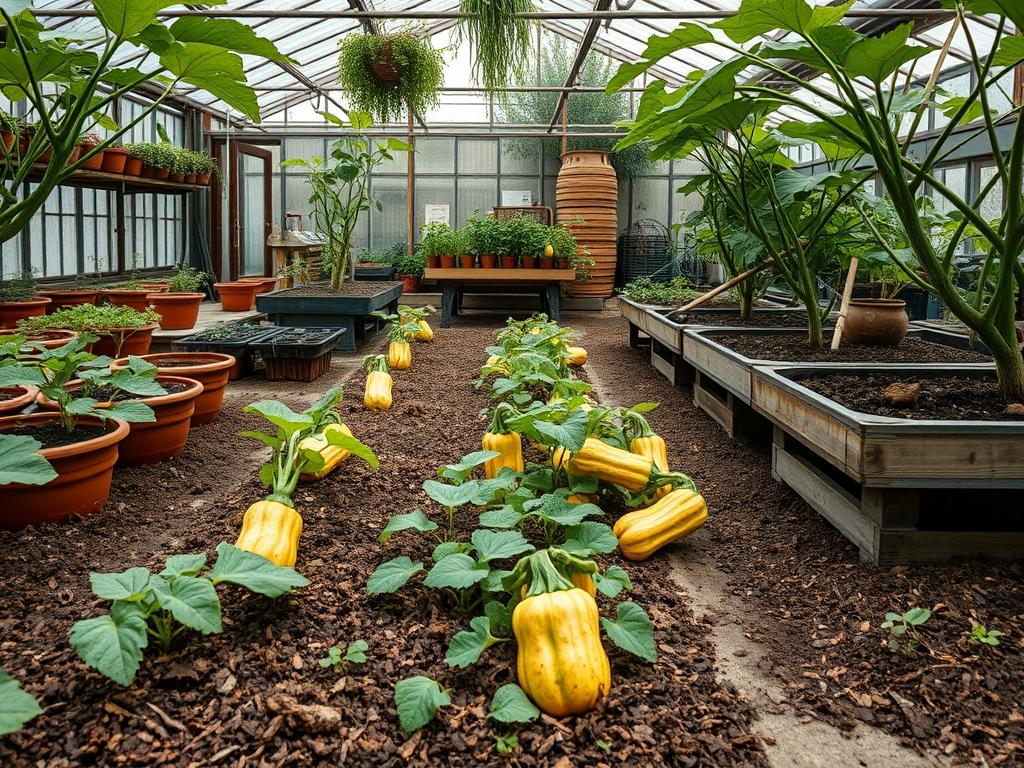
Integrating the preservation of biodiversity into a residential or commercial landscape requires a sophisticated understanding of both horticultural science and spatial aesthetics. When an owner commits to Saving Rare Squash Strains, the landscape architect must move beyond the traditional “vegetable patch” mentality, instead treating these heirloom varieties as central architectural elements. These plants, often characterized by vigorous growth and striking fruit, present a unique set of challenges regarding site coverage, nutrient management, and genetic isolation. A successful plan balances the sprawling nature of Cucurbita species with the structured requirements of modern curb appeal. The goal is a functional outdoor environment that produces viable, genetically pure seeds while maintaining the clean lines and visual hierarchy expected in high end design. This involves careful consideration of the site’s topography, the prevailing wind patterns that might carry unwanted pollen, and the integration of permanent infrastructure such as retaining walls or custom trellises.
Environmental factors dictate the success of these rare strains. Most heirloom squashes require a minimum of six to eight hours of direct sunlight and a soil profile that offers both high organic matter and exceptional drainage. In areas with heavy clay or high water tables, the landscape architect must design for elevation. This might involve the installation of custom raised beds constructed from cedar or natural stone, paired with a comprehensive grading plan to ensure that runoff does not settle at the root zone. By viewing the garden as a living laboratory, we can create a space that serves the double purpose of luxury outdoor living and ecological stewardship. The result is a landscape that feels intentional rather than accidental, where the vibrant oranges, deep greens, and dusty blues of heritage squash become a living tapestry against the backdrop of structured hardscaping.
Landscape Design Principles
To incorporate rare squash into a formal landscape, we must apply the principles of symmetry and focal points. While a squash vine is naturally chaotic, providing a powder coated steel trellis or a series of obelisks can transform a sprawling plant into a vertical focal point. This verticality is essential for smaller estates where footprint is a premium. It also improves air circulation, which is vital for preventing the fungal pathogens that often plague heirloom varieties. Isolation is the most critical scientific principle when Saving Rare Squash Strains. To maintain genetic purity, different varieties of the same species must be separated by significant distances. In a residential landscape, this is often achieved through physical barriers or “staggered” planting schedules.
Pathways and walkways should be wide enough to accommodate both pedestrian traffic and the inevitable “reach” of the vines. We typically specify a minimum width of 4 feet for main garden paths using flagstone or decomposed granite. These materials provide a clean contrast to the organic texture of the large, subterranean leaves. Level changes also play a role; using retaining walls to create a multi tiered environment allows the vines to cascade over edges, softening the hardscape while keeping the fruit off the wet ground. This technique, known as “spilling,” adds a sense of lushness and abundance to the garden’s visual profile. Irrigation planning must be subterranean or ground based; overhead watering is forbidden in a professional landscape intended for seed saving because it promotes foliar disease and can interfere with delicate hand pollination processes.
Plant and Material Selection
The following table outlines the technical requirements for integrating rare squash and their essential companion plants into a cohesive landscape design.
| Plant Type | Sun Exposure | Soil Needs | Water Demand | Growth Speed | Maintenance |
| :— | :— | :— | :— | :— | :— |
| Cucurbita maxima | Full Sun | Sandy Loam | Moderate to High | Very Fast | High |
| Cucurbita moschata | Full Sun | High Organic Matter | Moderate | Fast | Medium |
| Lavandula angustifolia | Full Sun | Well Drained/Lean | Low | Moderate | Low |
| Rosmarinus officinalis | Full Sun | Sandy/Gravelly | Low | Moderate | Low |
| Tagetes patula | Full Sun | Average | Moderate | Fast | Low |
| Tropaeolum majus | Sun/Part Shade | Poor to Average | Moderate | Fast | Medium |
Selecting the right materials for the “hard” side of the landscape is just as important as the plants. For seed saving projects, we recommend 3/4-inch crushed basalt for path surfacing. It provides a stable, porous base that prevents soil splashing onto the leaves, which is a primary vector for soil borne pathogens. Woven landscape fabric (at least 5 ounces in weight) should be used under all permanent paths to ensure long term weed suppression without interfering with the drainage of the site.
Implementation Strategy
The implementation of a rare squash landscape begins with a detailed site survey and soil analysis. Before a single Shovel enters the ground, the pH and nutrient levels must be optimized. Most rare strains thrive in a soil pH between 6.0 and 6.8. If the site analysis shows heavy compaction, we initiate a process of “double digging” or deep ripping with a mechanical subsoiler to break up the plow pan. This is followed by the incorporation of 4 inches of well rotted compost and a layer of hardwood mulch to stabilize the soil temperature.
Grading is the next priority. The transition from the house or patio to the garden should be seamless, yet functional. We use a laser level to ensure a consistent 2 percent slope away from all structures. For the actual planting zones, we utilize automated drip irrigation systems with pressure compensating emitters. This ensures that each plant receives a precise amount of water directly at the root zone, reducing evaporation and preventing the foliage from getting wet. Edging is performed using 14-gauge steel edging or Belgian block to create a crisp boundary between the lawn and the squash beds. This prevents the grass from encroaching on the squash and provides an aesthetic frame for the vigorous vines.
Common Landscaping Failures
Failure in a seed saving landscape often stems from poor spatial awareness. The most common mistake is root overcrowding. A single Hubbard squash can easily occupy 50 to 100 square feet of space. When architects underestimate this, the plants compete for nutrients, leading to stressed vines that produce inferior seeds. Another frequent error is improper drainage. If water pools around the “crown” of the squash plant, it will succumb to rot within days. We mitigate this by mounding the planting area at least 6 inches above the surrounding grade.
Irrigation inefficiencies are also a major concern. If an irrigation system is not properly zoned, the squash may receive the same amount of water as the surrounding drought tolerant perennials, leading to either underwatering of the squash or overwatering of the perennials. Furthermore, soil compaction from heavy foot traffic during the growing season can suffocate the roots. We design designated “access pads” using stepping stones or timber rounds to ensure maintenance can be performed without stepping on the sensitive root zones of the rare specimens.
Seasonal Maintenance
Landscape management for Saving Rare Squash Strains is a year round commitment. During the Spring, the focus is on soil preparation and the installation of mechanical barriers to protect young seedlings from pests. This is also the time to test the irrigation timers and clear any debris from the drainage basins. As we move into Summer, maintenance shifts to “training” the vines. We use jute twine to secure vines to trellises and perform selective pruning to improve airflow. This is the critical window for hand pollination, which requires daily monitoring of the blossoms.
In the Autumn, the harvest of the rare fruit begins. Unlike culinary squash, fruit intended for seed saving must reach full maturity on the vine. We often place terracotta tiles or cedar shims under the ripening fruit to prevent contact with the damp earth. After the harvest, the landscape is cleared of all vine debris to prevent disease carryover. During Winter, the focus turns to hardscape maintenance. We check retaining walls for frost heave and apply a thick layer of arborist wood chips to the dormant beds to protect the soil structure. This dormant season is also the ideal time to repair any trellis systems or pergolas that may have been stressed by the weight of the summer’s vines.
Professional Landscaping FAQ
How much space do I need for rare squash?
Most rare vining varieties require between 50 and 80 square feet per plant. Using vertical structures like arbors or cattle panels can reduce the ground footprint by nearly 60 percent while improving overall fruit quality and vine health.
Can I grow different squash strains together?
Not if you intend to save pure seeds. Different varieties within the same species will cross pollinate readily. Use isolation bags on blossoms before they open, then hand pollinate to ensure the genetic integrity of the next generation remains intact.
What is the best mulch for squash beds?
We recommend pine straw or shredded hardwood mulch at a depth of 3 inches. Avoid light colored plastic mulches in decorative landscapes; natural materials regulate soil temperature better and decompose to improve the soil organic matter over time.
How do I prevent “vine collapse” in the landscape?
This is usually caused by squash vine borers or fusarium wilt. Improve soil health with mycorrhizal fungi and use row covers early in the season. Ensure your irrigation system is not overwatering, as saturated roots are more susceptible.
Does squash work in a formal curb appeal design?
Yes, when managed correctly. Use symmetrical layout patterns and high quality hardscape materials. Treat the vines as “greenery” and the fruit as “ornaments.” Pairing them with structured boxwood hedges provides the necessary contrast to keep the look intentional.