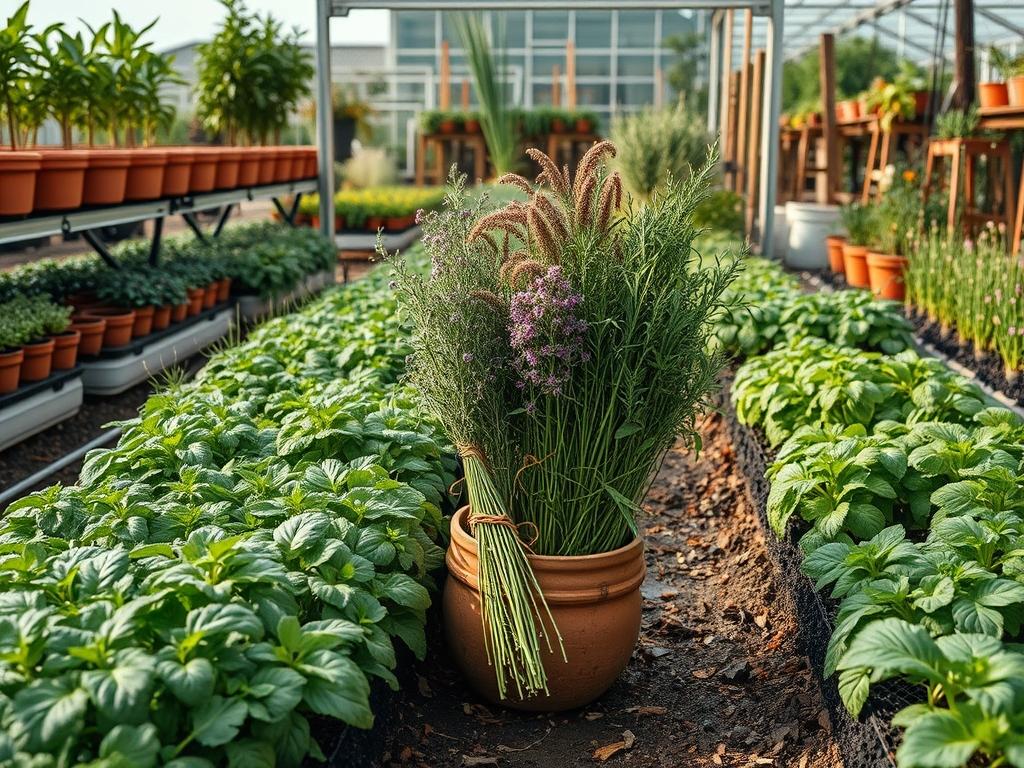
A well-conceived landscape serves as more than just a visual backdrop for a property. It functions as a living laboratory and a resource for the ancient practice of Traditional Herb Bundling. When designing an outdoor environment specifically for the harvest of aromatic plants, a landscape architect must balance the aesthetic demands of curb appeal with the scientific requirements of high-quality botanical production. The primary challenge lies in the microclimate management of various aromatics that are often sensitive to soil moisture and humidity. A successful design integrates these herbs into a structured garden plan that enhances the site’s elevation transitions and outdoor functionality, ensuring that every plant is both a decorative element and a viable source of material for drying and smoke.
To achieve superior results in the harvest, the landscape must allow for optimal essential oil development within the plants. This requires precise site grading to prevent water stagnation, as well as the strategic placement of hardscaping to reflect heat. A garden designed for this purpose must also consider the ease of movement. Walkways must be wide enough to accommodate wheelbarrows or harvest baskets without damaging the fragile foliage of border plants. By viewing the garden through the lens of both an architect and a harvester, homeowners can create a space that is as productive as it is beautiful.
Landscape Design Principles
Symmetry plays a vital role in traditional herb gardens, often taking inspiration from the parterres of the European Renaissance. This formal structure provides a sense of order that balances the somewhat wild, sprawling growth habits of many woody herbs. By using boxwood or privet as low-level hedging, a designer can create “rooms” within the garden that keep different species of aromatic plants separated. This separation is crucial for maintaining the purity of scents and prevents the cross-contamination of oils during the growing season.
Focal points are essential for directing the eye and providing a sense of scale. A central stone fountain or a classic sundial acts as an anchor for the surrounding herb beds. Elevation layers add further depth. Taller species like Laurus nobilis (Bay Laurel) or Juniperus virginiana (Eastern Redcedar) should be placed in the background or at the center of a circular bed to create a vertical transition. This tiered approach ensures that smaller, trailing herbs like Thymus vulgaris (Thyme) receive adequate sunlight and are not shaded out by more aggressive growers.
Irrigation planning is perhaps the most critical technical aspect of the design. Traditional herbs used for bundling and smoke generally prefer a Mediterranean moisture profile. This means the landscape must include a zoning strategy where drought-tolerant species are kept on a separate irrigation line from more moisture-loving ornamentals. Drip irrigation systems are preferred over overhead sprinklers to keep the foliage dry, which prevents mildew and preserves the integrity of the leaves for the drying process. Walkways should be constructed from porous materials such as decomposed granite or flagstone with wide joints to allow for natural water infiltration and to reduce radiant heat during the summer months.
Plant and Material Selection
The following selection focuses on species that provide excellent structural value to the landscape while offering the best results for traditional bundling and drying practices.
| Plant Type | Sun Exposure | Soil Needs | Water Demand | Growth Speed | Maintenance Level |
| :— | :— | :— | :— | :— | :— |
| Lavandula angustifolia | Full Sun | Sandy, Alkaline | Low | Moderate | Medium |
| Salvia officinalis | Full Sun | Well-Drained | Low | Moderate | Low |
| Rosmarinus officinalis | Full Sun | Gritty, Poor | Low | Fast | Low |
| Artemisia ludoviciana | Full Sun | Dry, Loamy | Very Low | Fast | Medium |
| Thymus vulgaris | Full Sun | Rock-based | Low | Slow | Low |
| Mentha piperita | Partial Sun | Moist, Rich | High | Vigorous | High |
| Achillea millefolium | Full Sun | Any | Low | Fast | Low |
| Cedrus libani | Full Sun | Deep, Well-Drained | Medium | Slow | Low |
Implementation Strategy
Implementing a landscape designed for herb bundling starts with a comprehensive sub-grade analysis. Drainage is the priority. If the existing soil is heavy clay, it must be amended with expanded shale or coarse sand to a depth of 12 inches. The area should be graded at a 2 percent slope away from any structures or foundations to ensure that water moves efficiently toward a designated drainage basin or French drain system.
Once the grading is complete, the layout of the hardscaping begins. Use steel edging or natural stone to define the boundaries of the herb beds. These edges provide a clean line that simplifies the maintenance of surrounding turf. For the paths, a base of crushed limestone topped with 3 inches of pea gravel provides a stable, permeable surface that remains dry even after heavy rains.
When planting, spacing is governed by the mature width of each species. Overcrowding is a common mistake that leads to poor air circulation, which is detrimental to herbs meant for bundling. For every 3 gallon container plant, allow at least 36 inches of diameter for future growth. After the plants are set in the ground, apply a 2 inch layer of hardwood mulch or pine needles to regulate soil temperature. Avoid burying the crown of the plants, as this causes rot. For the most traditional look and highest utility, group your “dry” herbs (Sage, Rosemary, Lavender) in the most elevated, sun-exposed sections of the garden.
Common Landscaping Failures
One of the most frequent errors in garden planning is the failure to account for soil compaction. During the construction of walkways or retaining walls, heavy machinery can crush the soil structure, leaving it impenetrable for herb roots. This leads to stunted growth and poor oil production. It is essential to aerate any compacted areas before the final planting phase.
Another mistake is improper irrigation zoning. Mixing Mentha (Mint), which requires constant moisture, with Salvia (Sage), which requires a dry period, will inevitably lead to the death of one or the other. This is why “hydro-zoning” is a fundamental principle of professional landscape architecture. Furthermore, many gardeners fail to prune their herbs correctly, leading to woody, leggy stems that are useless for bundling. Regular harvesting acts as a form of pruning, but a formal rejuvenation cut is required annually to keep the plants productive and aesthetically pleasing.
Lastly, neglect of drainage at the root zone is a silent killer for Mediterranean herbs. If the roots sit in water for more than 24 hours, the plant will likely succumb to root rot. Installing 4 inch perforated drainage pipes beneath the beds can mitigate this risk in areas with high rainfall.
Seasonal Maintenance
Spring is the season for revitalization. As soon as the soil is workable, remove any dead wood from winter and apply a light application of organic fertilizer. This is also the time to refresh the mulch layers and check the irrigation emitters for clogs. Early spring pruning of lavender and sage encourages a flush of new growth that will be perfect for mid-summer bundling.
Summer focuses on the harvest and water management. Most herbs should be harvested just before they flower, as this is when the aromatic oils are at their peak. During periods of extreme heat, monitor the plants for signs of stress, but resist the urge to over-water. The goal is to keep the plants resilient.
Autumn is the time for structural adjustments. If any plants have outgrown their designated space, they can be divided or moved. This is also the window for planting new perennials and shrubs, allowing them to establish root systems during the cool, wet months. Clear away fallen leaves from the herb beds to prevent the harbor of pests and fungus.
Winter maintenance is largely protective. In colder climates, a thicker layer of straw or evergreen boughs can be placed over tender herbs like rosemary to protect them from desiccating winds. Ensure that the garden remains tidy, as the skeletal structure of the landscape is most visible during this season.
Professional Landscaping FAQ
How do I choose the best location for an herb-focused landscape?
Select a site with at least 6 to 8 hours of direct sunlight and excellent drainage. Avoid low spots where frost or water settles, as these conditions damage the volatile oils required for high-quality aromatic bundles.
What is the best mulch for an aromatic garden?
Use organic materials like shredded cedar or pine bark. These suppress weeds and regulate temperature without significantly altering soil pH. For Mediterranean species, a inorganic mulch like crushed granite or river rock can also be effective.
Can I integrate herbs into my existing ornamental landscape?
Yes. Herbs like Lavandula and Rosmarinus serve as excellent structural perennials. Integrate them into the middle-ground of your borders to provide year-round greenery and texture while maintaining easy access for your seasonal harvesting and bundling needs.
How do I prevent my herbs from becoming too woody?
Consistent harvesting is key. By regularly removing the top one third of the soft growth, you encourage the plant to remain bushy and productive. Perform a hard prune in early spring to prevent the core from becoming overly lignified.
What is the impact of soil pH on herb quality?
Most aromatic herbs prefer a neutral to slightly alkaline pH, between 6.5 and 7.5. If your soil is too acidic, the plants may struggle to uptake nutrients, resulting in sparse foliage that is unsuitable for traditional bundling and smoke.