
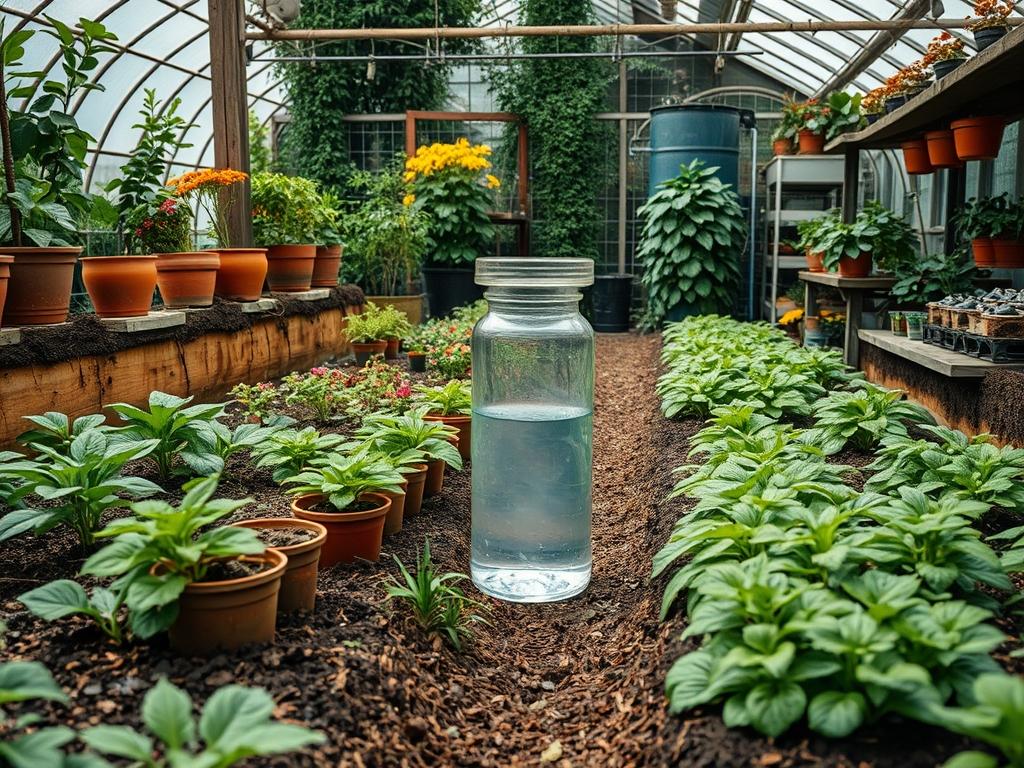
Modern landscaping often demands more than just aesthetic arrangements of flora and stone; it requires a sophisticated understanding of resource management and environmental chemistry. For homeowners in arid regions or areas with poor groundwater quality, the challenge of maintaining vibrant greenery is often hampered by high salinity and mineral concentrations in the municipal supply. These impurities can lead to white crusting on the soil surface, known as efflorescence, which eventually chokes root systems and stunts plant growth. As a professional landscape architect, I view the integration of a solar distillation system as a strategic move to ensure long-term soil health. By focusing on Solar Still Water Purity, a designer can create a closed-loop irrigation system that provides distilled, nutrient-free water specifically for sensitive ornamental species. This approach not only enhances the health of the garden but also elevates the technological sophistication of the outdoor living space, contributing significantly to the overall curb appeal and functionality of the property.
Achieving a balance between high-end design and utility means positioning these water-purification structures where they maximize solar gain without disrupting the visual flow of the landscape. A well-designed solar still can be incorporated into a retaining wall or hidden behind decorative trellises and privacy screens. In modern minimalist gardens, the architectural lines of a glass-topped still can even serve as a focal point, mirroring the sleek surfaces of a contemporary home. The transition from the utility zones to the lush, irrigated zones must be seamless, utilizing elevation changes and walkways to guide the eye away from the mechanics and toward the botanical rewards of pure water irrigation.
Landscape Design Principles
Successful landscape design relies on the core principles of symmetry, focal points, and layered elevations. When planning for a solar still, symmetry is achieved by flanking the installation with balanced plantings or structural elements like stone pillars. This prevents the still from appearing like a random addition to the backyard. Focal points should remain on the primary aesthetic features, such as a specimen Japanese Maple or a custom water feature, while the still operates in a supportive role. To manage the visual impact, architects often use elevation layering, placing the still on a slightly higher grade to facilitate gravity-fed irrigation through subterranean PVC piping.
Irrigation planning must be precise when using distilled water. Because the volume produced by a solar still is often less than a standard hose, the layout must prioritize high-value plants through targeted drip emitters. This requires a thorough understanding of the site’s hydrology. By using swales and grading, excess rainwater can be directed to supplement the distilled water supply, ensuring that the landscape remains resilient during heat waves. Furthermore, the use of natural stone walkways and permeable pavers around the distillation site prevents soil compaction, which is vital for maintaining the oxygen levels required for healthy root respiration near the water source.
Plant and Material Selection
The following table outlines plants that particularly benefit from the high-quality output of a solar distillation system. These species are often sensitive to the chlorine and salts found in standard tap water.
| Plant Type | Sun Exposure | Soil Needs | Water Demand | Growth Speed | Maintenance Level |
| :— | :— | :— | :— | :— | :— |
| Japanese Maple | Partial Shade | Acidic, Well Drained | Moderate | Slow | Medium |
| Lavender | Full Sun | Sandy, Alkaline | Low | Medium | Low |
| Azalea | Filtered Light | Peat-rich, Low pH | High | Moderate | High |
| Boxwood | Full to Part Sun | Loamy, Neutral | Moderate | Slow | High |
| Hosta | Full Shade | Organic, Moist | High | Moderate | Low |
Material selection for the still itself is just as critical as the plants it supports. The basin should be lined with a black EPDM rubber liner to maximize heat absorption. For the transparent cover, tempered glass is preferred over plastic because it maintains clarity over time and does not leach chemicals into the water. The frame should be constructed from rot-resistant materials such as cedar or powder-coated aluminum to ensure the structure survives the high-humidity environment of the still’s interior.
Implementation Strategy
The first step in implementing a solar still into the landscape is site analysis. You must identify a location that receives at least six to eight hours of direct sunlight. Once the site is selected, the grading process begins. The ground must be leveled to provide a stable foundation, though a slight 1 to 2 percent slope in the surrounding area is beneficial for drainage. Deep edging with steel or poly-pro borders should be installed around the unit to prevent grass and weeds from encroaching on the structure.
Construction starts with a frame measuring approximately 4 feet by 8 feet, which provides enough surface area to generate several gallons of water daily. After the frame is secured, the black liner is fitted tightly to the bottom and sides. A central collection trough, typically made of food-grade stainless steel or silicone, is positioned at the lowest point of the glass pitch. The glass should be set at an angle of roughly 15 to 20 degrees, allowing condensed droplets to run down the underside and into the trough. Finally, apply a thick layer of hardwood mulch, at least 3 inches deep, around the perimeter to regulate soil temperature and provide a clean, finished look to the installation.
Common Landscaping Failures
One of the most frequent failures in garden water management is poor drainage. If the area surrounding the solar still is not properly graded, water can pool at the base, leading to wood rot and mosquito breeding. Another common mistake is root overcrowding. Designers often place plants too close to the distillation unit’s foundation, where the concrete footings or heavy frame can restrict root expansion. Proper spacing, based on the mature width of the species, is essential to prevent long-term health issues.
Soil compaction is another silent killer of high-end landscapes. Frequent foot traffic around the solar still during maintenance can compress the soil, destroying the pore spaces that hold air and water. Installing a dedicated gravel path or stepping stones can mitigate this risk. Additionally, many DIY enthusiasts fail to account for the mineral buildup left behind inside the still. If the basin is not flushed regularly, the “Solar Still Water Purity” will eventually decline as the concentrated brine begins to splash into the collection trough. Irrigation inefficiency, such as using overhead sprays that lose water to evaporation, should also be avoided in favor of sub-surface drip lines.
Seasonal Maintenance
Spring is the time for a system overhaul. Inspect all silicone seals and gaskets for cracks that may have developed during the winter. Clean the glass cover with a vinegar solution to remove any mineral scaling that reduces sunlight penetration. As the growing season begins, refresh the mulch layers and check that the drip emitters are not clogged by biological growth or fine sediment.
Summer maintenance focuses on maximizing output. During peak heat, ensure the basin is filled to the appropriate level every morning. Monitor the plants for signs of heat stress; even with pure water, the high evaporation rates may require you to increase the frequency of your irrigation cycles. In autumn, the focus shifts to debris management. Falling leaves can block the sunlight hitting the glass or clog the drainage swales. Clean the basin thoroughly to remove the accumulated salts from a summer of distillation. Winter preparation involves draining the system entirely if you live in a climate where the ground freezes. Insulate any exposed PVC pipes with foam sleeves to prevent bursting and cover the glass with a heavy-duty tarp to protect it from hail or heavy snow loads.
Professional Landscaping FAQ
How does a solar still improve water quality for my plants?
The process of evaporation leaves behind salts, heavy metals, and pathogens. Only pure water vapor condenses on the glass. This ensures “Solar Still Water Purity” and prevents the salt buildup in the soil that often kills sensitive ornamental species.
Can a solar still be integrated into a small urban garden?
Yes, vertical or smaller footprint stills can be built. They can be integrated into the tops of retaining walls or designed as part of a tiered planter system to maximize space while providing a high-quality water source for containers.
What is the best way to distribute the distilled water?
Gravity-fed drip irrigation is the most efficient. By placing the storage tank at a higher elevation than the garden beds, you can deliver water directly to the root zones without the need for electric pumps or complex machinery.
Will the solar still look out of place in a luxury landscape?
Not if it is designed with high-quality materials. Using tempered glass, brushed aluminum, and matching the frame to existing hardscaping ensures the unit looks like a planned architectural feature rather than a temporary utility.
How much water can I realistically expect to produce?
On a clear day, a well-built 32 square foot still can produce between 2 and 4 gallons of water. While this is not enough for a large lawn, it is perfect for high-value specimen plants and delicate floral displays.