Transitioning a traditional high maintenance turf grass into a biodiverse tapestry of native vegetation represents a significant shift in modern residential land management. For decades, the monoculture lawn was viewed as the gold standard of suburban aesthetics, yet it often functions as an ecological desert requiring excessive water, chemical fertilizers, and constant mechanical shearing. As a senior landscape architect, I have observed that the most successful projects are those that prioritize site specific ecology while maintaining high level curb appeal. Implementing professional Native Groundcover Tips requires more than just replacing grass with plants; it demands a fundamental understanding of soil health, drainage patterns, and the architectural layers of an outdoor environment. By selecting species that evolved to thrive in your specific ecoregion, you create a resilient landscape that withstands local weather extremes while providing a sophisticated, textured visual profile.
The functional goals of a lawn replacement project should extend beyond simple aesthetics. We must consider the outdoor environment as a holistic system where the groundcover acts as the primary stabilizer for the topsoil. Traditional lawns have shallow root systems that do little to prevent runoff or encourage deep water infiltration. In contrast, many native groundcovers possess deep, fibrous roots that improve soil structure and facilitate groundwater recharge. When planning this transition, the initial challenge often lies in the existing soil condition. Conventional lawn maintenance often leads to significant soil compaction, which inhibits gas exchange and stunts root growth. Therefore, the first step in any professional conversion is a comprehensive assessment of the site’s topography and drainage capacity to ensure the new living carpet can thrive without common pitfalls like root rot or nutrient lockout.
Landscape Design Principles
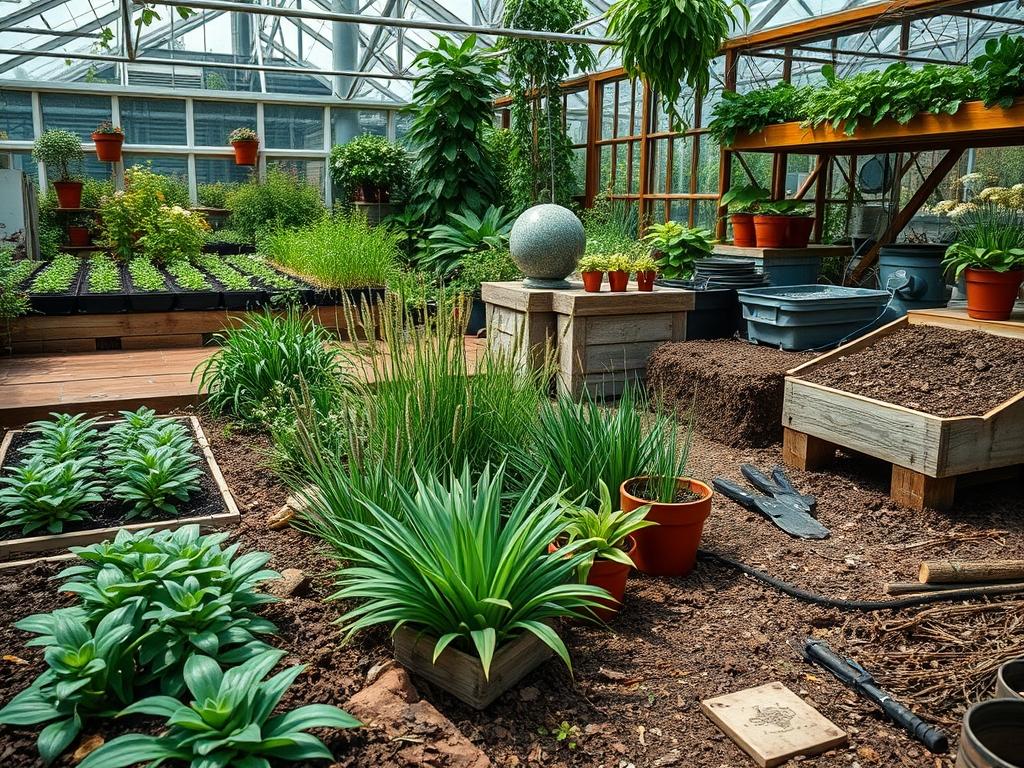
Effective landscape design relies on the intentional application of symmetry and visual balance to guide the eye through the space. When replacing a sprawling lawn with native groundcovers, it is easy to lose the structured feel that homeowners often value. To maintain a refined appearance, utilize the principle of focal points. This might involve strategically placing a Large Granite Boulder or a specimen tree like a Serviceberry amidst a sea of lower growing plants. These vertical elements provide a sense of scale and prevent the groundcover from appearing like an unmanaged meadow. Elevation layers are also crucial; use the natural slope of the land or create artificial berms to add three dimensional interest.
Walkway integration is another pillar of professional design. Because many native groundcovers do not tolerate the same level of heavy foot traffic as Kentucky Bluegrass, you must define clear paths of travel. Incorporating stable materials such as Flagstone, Decomposed Granite, or Permeable Pavers creates a structured contrast against the soft texture of the plants. This organization signals that the landscape is intentional and well maintained. Irrigation planning must also be addressed during the design phase. While native plants are generally more drought tolerant once established, they require consistent moisture during the first two growing seasons. Designing a Zoned Drip Irrigation System ensures that water is delivered directly to the root zones, minimizing evaporation and discouraging weed growth in the gaps between new plantings.
Visual balance is achieved by varying the leaf texture and flower color of the chosen groundcovers. Combining the fine, hair like blades of Pennsylvania Sedge with the broad, glossy leaves of Wild Ginger creates a sophisticated interplay of light and shadow. Symmetry can be introduced through the use of edging materials or by repeating certain plant groupings at regular intervals along a sightline. By treating the groundcover as a living fabric, the designer can weave together different species to accommodate microclimates, such as the dry shade beneath an oak tree or the hot, reflective heat of a south facing driveway.
Plant and Material Selection
| Plant Type | Sun Exposure | Soil Needs | Water Demand | Growth Speed | Maintenance Level |
| :— | :— | :— | :— | :— | :— |
| Phlox subulata | Full Sun | Well-Drained | Low | Moderate | Low |
| Carex pensylvanica | Part Shade/Shade | Sandy/Loamy | Moderate | Slow/Moderate | Very Low |
| Arctostaphylos uva-ursi | Full Sun | Acidic/Sandy | Very Low | Slow | Low |
| Fragaria virginiana | Full Sun/Part Shade | Most Types | Moderate | Fast | Moderate |
| Salvia sonomensis | Full Sun | Well-Drained/Gritty | Very Low | Moderate | Low |
| Packera aurea | Part Shade/Shade | Moist/Clay | High | Fast | Moderate |
Implementation Strategy
The process begins with a rigorous site preparation phase. One of the most effective methods for removing existing turf without the use of harsh herbicides is Sheet Mulching. This involves laying down a layer of Corrugated Cardboard over the grass, followed by 3 inches of Organic Compost and 2 inches of Arborists Wood Chips. Over a period of several months, the lack of light kills the grass and the decomposing cardboard enriches the soil. If a faster timeline is required, a Sod Cutter can be used to remove the top layer of turf, though this also removes valuable organic matter from the site.
Once the turf is addressed, grading becomes the priority. Use a Leveling Rake to ensure the ground slopes away from the home’s foundation at a minimum of 2 percent grade. Proper grading prevents hydrostatic pressure from building up against basement walls and ensures that excess rainwater flows toward designated drainage areas or dry creek beds. Edging is a critical, often overlooked detail. Installing 14-gauge Steel Edging or Concrete Paver Edging creates a clean, permanent border that prevents the native groundcover from creeping into walkways or neighboring properties.
When planting, spacing is determined by the mature spread of the species. For example, if Creeping Thyme has a spread of 12 inches, plants should be placed roughly 10 inches apart to ensure they fill in quickly and suppress weeds. After the specimens are in the ground, apply a layer of Double-Shredded Bark Mulch. This material stays in place better than large chips and provides an immediate finished look. For areas with poor natural drainage, consider installing a French Drain or a Bio-retention Cell filled with River Rock and topped with moisture loving groundcovers to manage runoff effectively.
Common Landscaping Failures
The most frequent error in lawn replacement is neglecting the drainage requirements of the chosen species. Many native plants that are adapted to dry, rocky slopes will suffer from root rot if planted in low lying areas with heavy clay soil. Conversely, plants adapted to riparian zones will require supplemental irrigation if placed on a high, wind swept berm. Understanding the Percolation Rate of your soil is essential; a simple test involves digging a hole, filling it with water, and timing how long it takes to drain. If it takes longer than 24 hours, you have a drainage issue that must be mitigated before planting.
Soil compaction is another silent killer of landscape projects. During the construction or turf removal phase, heavy machinery can crush the air pockets in the soil, making it nearly impossible for new roots to penetrate. Using a Broadfork or Garden Fork to manually aerate the soil before planting can restore the necessary porosity. Furthermore, improper spacing often leads to maintenance headaches. Planting too far apart leaves open ground for invasive weeds to colonize, while planting too close can lead to poor air circulation and fungal diseases. Finally, many homeowners fail to account for the “creep” of rhizomatous plants, which can quickly overwhelm delicate perennials if not contained by proper borders.
Seasonal Maintenance
Spring is the season for assessment and light intervention. As the ground thaws, check for any frost heaving that may have pushed new plugs out of the soil. Gently press them back into place and apply a fresh 1 inch layer of compost if needed. This is also the time to prune back any dead foliage from the previous year using Hand Pruners to allow for new growth.
During the summer, the primary focus is hydration and weed suppression. Even drought tolerant species need consistent moisture during their first summer heatwave. Monitor the soil moisture at a depth of 2 inches; if it feels dry, provide a deep, slow soaking. Inspect the edges of your groundcover beds and pull any weeds by hand before they have a chance to set seed.
Autumn is the ideal window for “gap filling.” If certain areas did not establish well during the summer, plant new plugs now so they can develop root systems before the ground freezes. Leave fallen leaves on the groundcover if they are not too thick, as they provide natural mulch and winter protection. However, if leaves exceed 2 inches in depth, they should be shredded with a Mulching Mower or removed to prevent the groundcover from smothering.
In winter, the maintenance load is minimal, but the landscape architect’s eye remains active. Observe the winter structure of the garden to identify areas that may need more evergreen interest. Native groundcovers like Kinnikinnick provide year round green foliage and red berries, which can be essential for maintaining curb appeal during the dormant months. Avoid using harsh de-icing salts near your native beds, as the salt runoff can significantly alter soil pH and kill sensitive root systems.
Professional Landscaping FAQ
How much does it cost to replace a lawn with native groundcover?
Costs vary based on site preparation and plant density. On average, expect to spend between $3 and $7 per square foot. Doing the labor yourself with smaller 2-inch plugs is the most cost effective way to cover large areas.
Can native groundcovers handle dogs and children playing on them?
Most groundcovers are less resilient than turf. However, species like Creeping Mazus or Stepables can withstand light traffic. For high activity areas, it is best to incorporate Stone Stepping Stones or Mulched Paths to protect the vegetation.
Will native groundcovers attract unwanted pests or snakes?
Native plants support beneficial insects and birds, creating a balanced ecosystem. While they provide more cover than a mowed lawn, they do not inherently attract “pests.” Keeping the edges trimmed and paths clear helps maintain visibility and discourages unwanted wildlife near the home.
How long does it take for the new groundcover to look full?
Most native species require two to three growing seasons to achieve full coverage. This is often referred to as the “sleep, creep, leap” cycle. The first year they establish roots, the second year they spread, and the third year they fill in.
Do I need to fertilize my native groundcover every year?
Native plants are adapted to local soil conditions and rarely require synthetic fertilizers. In fact, over-fertilizing can lead to excessive leggy growth and increased pest susceptibility. An occasional top dressing of Organic Leaf Mold or Compost is usually sufficient.