
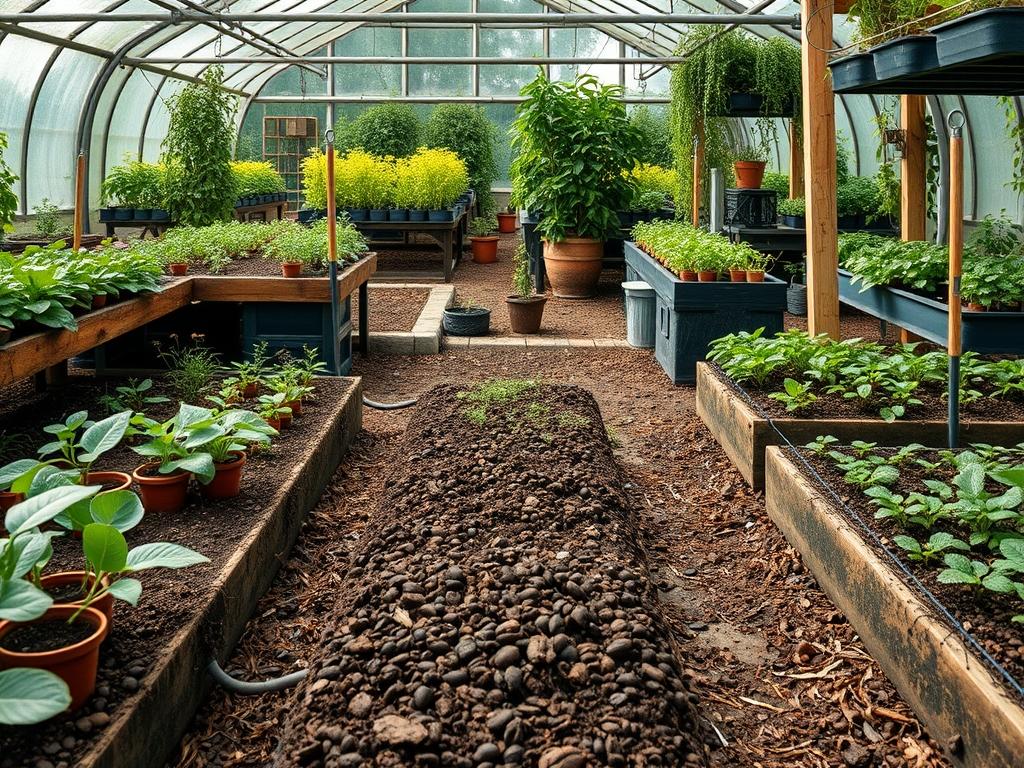
Sustainable site development begins long before the first native plants are installed or a retaining wall is leveled. It starts with the invisible architecture of the soil profile. For many homeowners and professional landscapers alike, the quest for a cost-effective, nutrient-dense amendment often leads to the local barista. Using coffee for soil has become a polarizing topic in the industry; it is a practice frequently misunderstood and often misapplied. When we evaluate a landscape for its curb appeal and long term functionality, we must look at how organic amendments affect the subterranean environment. A well-designed garden depends on a delicate balance of drainage, microbial activity, and pH levels. Coffee grounds, which contain approximately 2 percent nitrogen, are frequently touted as a green solution for nitrogen-depleted sites, but their physical properties require a sophisticated understanding of soil mechanics.
The primary landscaping challenge in residential and commercial environments involves managing the transition between hardscaping and softscaping. When we introduce organic materials like coffee grounds, we are not just feeding plants; we are modifying the soil structure to improve water retention and the efficacy of irrigation systems. In urban climates where soil compaction is a frequent failure point, the granular nature of spent grounds can help break up heavy clays. However, surface-loading fresh grounds can create a hydrophobic barrier, essentially a crust that repels water rather than absorbing it. This paradox highlights why professional garden planning must move beyond anecdotal evidence and toward a systematic integration of organic waste into the broader landscape strategy. By focusing on the structural health of the soil, we ensure that the focal points of our design, whether they are grand ornamental trees or subtle elevation layers, remain vibrant through every season.
Landscape Design Principles
In the realm of professional landscape architecture, every element must serve a dual purpose of aesthetic beauty and ecological function. Symmetry and visual balance are achieved through the intentional placement of plant masses, but the health of those masses relies on the soil beneath. Using coffee for soil can influence the growth rate of specific zones, allowing designers to manipulate focal points more effectively. For instance, an area enriched with well-composted grounds may support faster-growing foliage, creating a denser screen or a more lush backdrop for a primary sculpture or water feature. The goal is to create a seamless flow between the walkways and the garden beds, ensuring that the soil health supports the intended density of the planting plan.
Elevation layers are another critical design component. We use varied heights to create depth and interest, often employing retaining walls to manage slopes and prevent erosion. When these layers are constructed, the backfill material is vital for drainage. Integrating spent grounds into the backfill of a raised bed can help with moisture management, provided the ratio of organic matter to mineral soil is kept within professional tolerances. Furthermore, irrigation planning must account for how different amendments change the infiltration rate. A garden bed with high organic content will hold water longer than a sandy site, allowing for less frequent watering cycles. This efficiency is a hallmark of high-end landscape design, where outdoor living spaces are designed to be both beautiful and sustainable.
Plant and Material Selection
The following table outlines how different species respond to soil environments enriched with organic amendments. This guide helps in selecting the right material for specific site conditions.
| Plant Type | Sun Exposure | Soil Needs | Water Demand | Growth Speed | Maintenance Level |
| :— | :— | :— | :— | :— | :— |
| Azalea (Rhododendron) | Partial Shade | Acidic, Well-Drained | Moderate | Medium | High |
| Blueberry (Vaccinium) | Full Sun | Highly Acidic | High | Fast | Medium |
| Boxwood (Buxus) | Full to Part Sun | Neutral/Well-Drained | Moderate | Slow | High |
| Hosta | Shade | Moist, Fertile | Moderate | Fast | Low |
| Lavender (Lavandula) | Full Sun | Alkaline, Lean | Low | Medium | Low |
| Rose (Rosa) | Full Sun | Rich, Loamy | High | Fast | High |
Implementation Strategy
Implementing a strategy for using coffee for soil requires more than simply scattering filters across the lawn. The process begins with grading and site preparation. For a new garden layout, the soil should be tested to determine the existing pH and nutrient levels. If the soil is excessively alkaline, the nitrogen and slight acidity of spent grounds can be a corrective force. Begin by clearing the area of debris and ensuring the grading slopes away from any permanent structures or hardscaped walkways to prevent moisture pooling.
Once the site is prepped, the next step is the integration of amendments. Rather than applying grounds directly to the base of plants, incorporate them into your mulch or compost pile. A standard recommendation is to limit coffee grounds to about 10 to 20 percent of your total compost volume. This prevents the buildup of caffeine, which can actually inhibit germination in some species. For established beds, apply a thin layer of grounds, no more than 0.5 inches, and cover it with a thicker layer of hardwood mulch or pine bark. This multi-layered approach protects the soil from UV degradation and ensures that as the grounds break down, their nutrients leach slowly into the root zone. Proper edging with metal or stone should be used to define the boundaries between the enriched garden beds and the turf, preventing the migration of organic materials into the lawn where they could cause thatch buildup.
Common Landscaping Failures
The most frequent mistake in using coffee for soil is the overuse of fresh, uncomposted grounds. Fresh coffee is significantly more acidic and contains hire levels of caffeine than spent grounds. When dumped in thick piles, it creates a sludgy texture that suffocates the soil and prevents oxygen from reaching the roots. This leads to soil compaction, one of the most difficult issues to remediate once a landscape is established. Root overcrowding often follows when plants are forced to compete for oxygen in a dense, compacted medium, resulting in stunted growth and increased susceptibility to disease.
Another failure point involves drainage. If grounds are used as a top-dressing without being incorporated, they can form a mat that causes water to run off the surface rather than penetrating the irrigation zone. This is particularly problematic on sloped areas where erosion is a risk. Additionally, improper spacing of plants within an enriched bed can lead to poor air circulation. While the boost in nitrogen might encourage rapid leaf growth, if the plants are too close together, they create a microclimate of high humidity that invites fungal infections. Professionals always account for the mature width of each species, ensuring that even with the vigorous growth stimulated by organic amendments, there is sufficient room for the plant to breathe.
Seasonal Maintenance
Landscape management is a year-round commitment that shifts with the weather. In the spring, the focus is on soil activation. This is the ideal time to incorporate composted grounds into the top 2 inches of soil as plants emerge from dormancy. It provides the nitrogen boost needed for the first flush of growth. Check your irrigation lines for leaks and ensure that the winter thaw hasn’t caused any significant grading shifts that might lead to pooling around the base of your focal trees.
During the summer, maintenance revolves around hydration and protection. Renew your mulch layers to a depth of 3 inches to keep the soil cool and moist. If you are using coffee for soil during this time, keep it buried under the mulch to prevent it from drying out into a crust. Autumn is the season for soil building. As you clear away fallen leaves, mix them with coffee grounds to create a nitrogen-rich compost that will break down over the winter. This is also the time to inspect retaining walls and hardscaping for any signs of settling. In winter, the landscape enters a period of rest. Minimize foot traffic on garden beds to prevent compaction, and use the downtime to plan for the next growing season, reflecting on which areas of the garden responded best to your organic amendment strategy.
Professional Landscaping FAQ
Is coffee too acidic for a standard landscape?
Spent grounds are actually closer to neutral than most people realize; they usually test between 6.5 and 6.8 pH. This makes them safe for most plants, provided they are mixed with other organic matter like wood chips or leaf mold.
Can I use coffee grounds directly on my lawn?
It is better to compost them first. Direct application can lead to a thick thatch layer that blocks water and air from reaching the grass roots. Instead, use a finely screened compost containing coffee as a light top-dressing in the early spring.
How does coffee affect drainage in clay soil?
When mixed thoroughly, the organic particles help create larger pore spaces in the clay. However, simply dumping them on top will worsen drainage by creating an impermeable layer. Integration is the key to improving soil structure and preventing compaction.
Will coffee grounds keep pests away from my garden?
While many claim coffee repels slugs or deer, the evidence is largely anecdotal. Its primary value is soil nutrition and texture. For pest management, rely on integrated pest management strategies and species-specific deterrents rather than coffee alone.
Are there plants that should never have coffee in their soil?
Avoid using coffee around young seedlings or in seed-starting mixes, as the residual caffeine can inhibit growth. Similarly, plants that prefer highly alkaline soil, like certain varieties of lavender or lilacs, may not thrive if the soil becomes too rich in organic matter.