
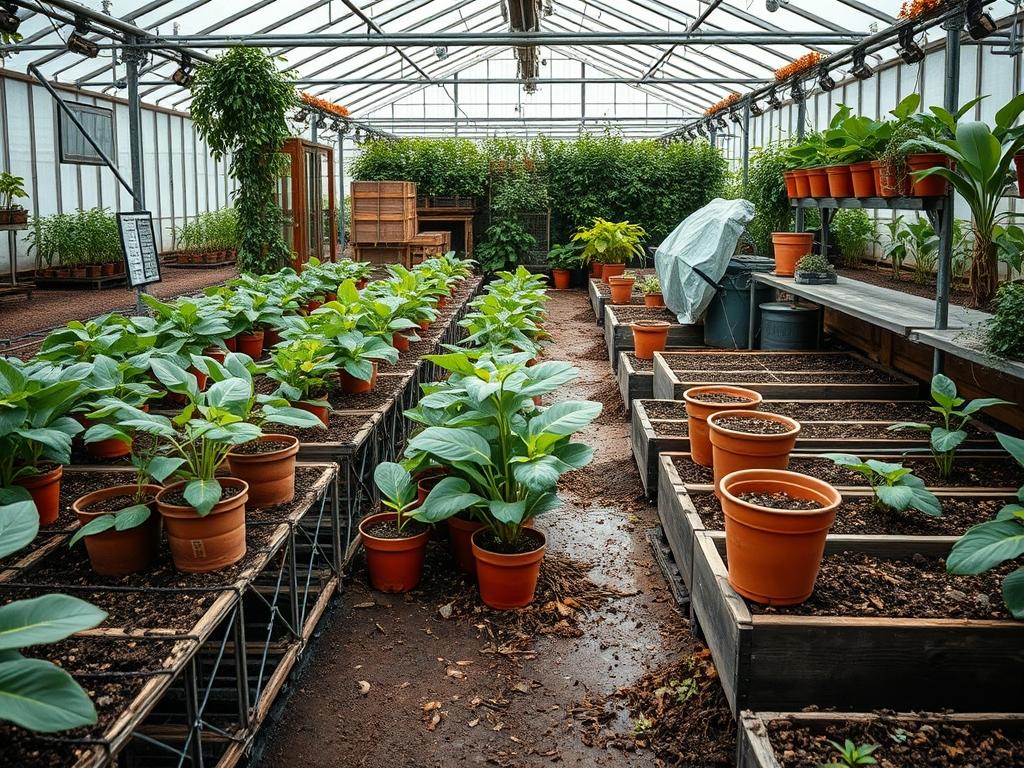
Integrating heritage botanicals into a modern landscape design requires a delicate balance between aesthetic contemporary standards and the preservation of genetic history. For the discerning homeowner and the professional consultant, the act of Saving Rare Tobacco Seeds serves as more than a simple gardening task; it is a commitment to ecological biodiversity and the cultivation of a living museum. When we approach a site with the intention of incorporating these historic cultivars, we must look at the landscape through the lens of both architectural form and cultural heritage. Tobacco, with its expansive foliage and statuesque growth habits, offers a unique textural component that is often missing from standardized nursery palettes. From a functional standpoint, these plants require specific environmental conditions that dictate the placement of retaining walls, the configuration of irrigation systems, and the strategic use of elevation changes. This focus on rare seed preservation elevates a standard backyard into a purposeful environment that respects the historical narrative of the land while providing exceptional curb appeal. The primary challenge lies in ensuring these heritage varieties thrive within a structured design that manages moisture, soil nutrition, and visual harmony.
Landscape Design Principles
Successful landscape architecture relies on the intelligent application of symmetry and focal points to guide the eye and define the outdoor experience. When Saving Rare Tobacco Seeds, the design must provide these tall, broad-leafed plants with a prominent position that does not overwhelm smaller companion species. I often utilize tobacco as a structural focal point within a tiered planting bed. By placing these specimens in the rear of a border, we create an elevation layer that adds vertical interest and serves as a backdrop for shorter flowering perennials. Symmetry can be achieved by flanking a central walkway with mirrored tobacco clusters, creating a sense of formal grandeur that harkens back to traditional estate gardens.
Visual balance is further refined through the careful planning of walkways and architectural hardscaping. A flagstone path or a gravel walkway provides a crisp line that contrasts with the soft, oversized leaves of the tobacco plant. Furthermore, irrigation planning is paramount. Rare varieties are often sensitive to over-saturation of the foliage, which can lead to fungal issues. A subterranean drip irrigation system is the professional standard here, delivering moisture directly to the root zone while keeping the leaves dry. This technical precision ensures that the cultural significance of the plant is protected by a robust infrastructure. By designing for both the needs of the plant and the visual expectations of the client, we create a landscape that is both resilient and historically meaningful.
Plant and Material Selection
The following table provides a selection of plants and materials that complement the specific requirements of a heritage seed saving garden. Selecting the right companions ensures that the rare tobacco varieties have the support they need to reach full maturity.
| Plant Type | Sun Exposure | Soil Needs | Water Demand | Growth Speed | Maintenance Level |
| :— | :— | :— | :— | :— | :— |
| Nicotiana tabacum | Full Sun | Loamy, Well-drained | Moderate | Fast | High |
| Lavandula angustifolia | Full Sun | Alkaline, Sandy | Low | Moderate | Low |
| Echinacea purpurea | Full/Partial | Neutral, Rich | Low | Moderate | Low |
| Panicum virgatum | Full Sun | Adaptable | Low | Fast | Minimal |
| Calamagrostis acutiflora| Full Sun | Moist, Clay-heavy| Moderate | Fast | Low |
| Buxus sempervirens | Partial/Full | Consistent moisture| Moderate | Slow | Moderate |
Implementation Strategy
The implementation of a landscape centered on heritage seed preservation begins with site grading. Establishing a slight slope away from the primary planting beds is essential to prevent water from pooling around the sensitive root systems of rare cultivars. Once the grading is finalized, we define the beds using steel edging or natural stone to create a clean transition between the lawn and the cultivated area. For the soil, a custom blend of organic compost and sandy loam is integrated to a depth of 12 inches. This depth allows for the extensive taproot development characteristic of the tobacco species.
After the soil is prepared, the placement of hardscaping elements like retaining walls or wood pergolas should be completed to avoid compacting the freshly tilled earth. When planting, spacing is critical; each tobacco plant should have a minimum of 36 inches of clearance to allow for maximum airflow. Once the plants are in the ground, a 3-inch layer of double-shredded hardwood mulch is applied. This mulch serves three purposes: it suppresses competitive weeds, retains necessary moisture during the heat of summer, and protects the soil structure from erosion. Final drainage checks should be performed by running the irrigation system for one full cycle to ensure no “dead zones” or areas of excessive runoff exist.
Common Landscaping Failures
One of the most frequent errors in high-end landscaping is the failure to account for long-term soil compaction. During the construction phase, heavy machinery often presses the life out of the earth, leaving a dense layer that tobacco roots cannot penetrate. This leads to stunted growth and poor seed production. Another common pitfall is improper spacing. Homeowners often desire an “instant” garden and plant far too many specimens in a small area. For those focused on Saving Rare Tobacco Seeds, overcrowding is a disaster. It prevents the light from reaching the lower leaves and creates a microclimate of high humidity that invites powdery mildew and pests.
Irrigation inefficiencies also rank high among landscaping failures. Overhead spraying is a shortcut that often leads to diseased foliage. Furthermore, a lack of dedicated drainage solutions, such as French drains or bioswales, can result in root rot during heavy rainfall events. Finally, many fail to recognize the nutrient demands of these heavy feeders. Tobacco requires significant nitrogen and potassium to produce the large leaves and healthy seed pods required for preservation. Neglecting a professional soil test before the planting season often results in a landscape that looks vibrant for a month but fades quickly as the soil nutrients are depleted.
Seasonal Maintenance
Seasonal management is the heartbeat of a successful landscape, especially when preservation is the goal. In the spring, the focus is on soil preparation and the careful hardening off of seedlings. We check all irrigation lines for leaks and ensure that the mulch depth is consistent across the site. As we move into summer, the maintenance shifts to monitoring for pests and ensuring consistent moisture delivery during peak heat. This is also the time for supplemental feeding with a balanced organic fertilizer to support the towering growth of the stalks.
As autumn arrives, the task of Saving Rare Tobacco Seeds becomes the primary objective. We monitor the seed pods as they turn from green to a dry, papery brown. Harvesting must be done on a dry day to prevent mold from forming within the seed heads. Once the seeds are secured, the plants are removed, and the beds are cleaned of all debris to prevent pathogens from overwintering. In the winter, the landscape architect focuses on the “bones” of the garden. We prune structural shrubs like boxwoods, repair any shifted hardscaping, and plan the crop rotation for the following year. This cycle ensures the ground remains fertile and the aesthetic value of the property remains high throughout the year.
Professional Landscaping FAQ
How does soil pH affect rare tobacco growth?
Tobacco prefers a slightly acidic to neutral soil pH, ideally between 5.8 and 6.5. Soil that is too alkaline can lock out essential micronutrients, leading to yellowed leaves and poor seed development. Regular testing is recommended for these heritage sites.
What is the best way to prevent root rot?
The most effective method is a combination of proper grading and the installation of a subsurface drainage system. Ensuring the soil contains enough organic matter to allow for aeration is also crucial in preventing anaerobic conditions at the root level.
Can tobacco be used in a small urban garden?
Yes, but it requires careful variety selection. Some rare cultivars stay smaller and can be grown in large terracotta pots or restricted beds. Use them as vertical accents against a fence or wall to maximize the use of limited square footage.
How often should mulch be replenished?
In a professional landscape, mulch should be refreshed at least once a year, typically in the spring. Maintaining a consistent 3-inch depth is vital for temperature regulation and moisture retention, especially for heat-sensitive heritage plants during the summer months.
Why is airflow so important for these plants?
Large leaves trap humidity, which creates a breeding ground for fungi and bacteria. By ensuring at least 3 feet of space between plants and avoiding corners with stagnant air, you allow the wind to naturally dry the foliage and prevent disease outbreaks.