
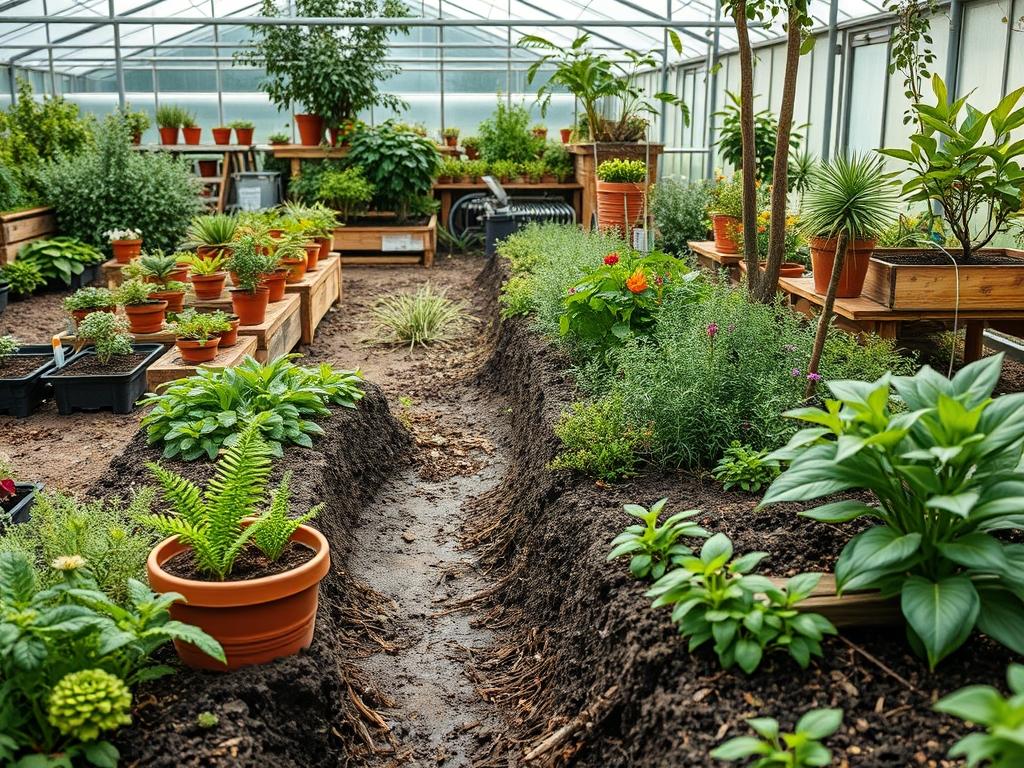
The structural integrity of a landscape often rests upon the invisible endurance of its timber elements. From the sweeping perimeter of a privacy fence to the intricate joinery of a custom pergola, wood provides an organic warmth that stone and steel cannot replicate. However, the outdoor environment is a relentless adversary for cellulose-based materials. UV radiation, fluctuating humidity, and subterranean microbial activity conspire to degrade even the finest hardwoods. For the modern landscape architect, the challenge lies in balancing aesthetic continuity with long term durability. While synthetic coatings often peel or trap moisture within the grain, Natural Wood Preservatives such as Pine Tar and various botanical oils offer a breathable, regenerative solution that harmonizes with the living ecosystem. By prioritizing these traditional methods, property owners can achieve a high level of curb appeal while ensuring their outdoor living spaces remain functional for decades rather than years.
Landscape Design Principles
Successful garden planning requires a holistic understanding of how built structures interact with the biological components of the site. Symmetry serves as the foundation for formal designs, where mirrored wooden elements like dual Arbors or matching Planter Boxes create a sense of order and rhythm. In these scenarios, the color of the wood treatment becomes a critical design choice. A dark Pine Tar finish can provide a stark, sophisticated contrast against vibrant green foliage, acting as a visual anchor that defines the boundaries of the space.
Focal points are the centers of gravity in any landscape. A gazebo or a large Retaining Wall treated with Linseed Oil draws the eye and provides a destination within the garden. To enhance this effect, designers often utilize elevation layers. By varying the heights of wooden structures, you can create a three dimensional experience that mimics natural topography. For example, a low Deck might transition into a series of Step Risers, each protected by Tung Oil to repel the foot traffic moisture.
Walkways and circulation paths dictate how a visitor experiences the environment. When incorporating wooden boardwalks or timber-edged paths, the choice of Natural Wood Preservatives is essential to prevent the wood from becoming slick or rotting at the soil interface. Visual balance is maintained by ensuring that these horizontal planes of wood do not overwhelm the verticality of the plantings. Irrigation planning must also be integrated into the initial design. Water should be directed away from primary wooden structures using a Grating System or a slight 2-percent Slope, ensuring that even treated wood is not subjected to standing water or constant saturation from poorly aimed sprinkler heads.
Plant and Material Selection
The relationship between vegetation and timber is symbiotic. The following table outlines specific plant species that complement the aesthetic of natural wood finishes while considering their various physiological needs.
| Plant Type | Sun Exposure | Soil Needs | Water Demand | Growth Speed | Maintenance Level |
| :— | :— | :— | :— | :— | :— |
| Buxus sempervirens | Full Sun / Part Shade | Well-drained, Loamy | Moderate | Slow | High (Pruning) |
| Calamagrostis acutiflora | Full Sun | Clay or Sandy | Low to Moderate | Fast | Low |
| Acer palmatum | Part Shade | Acidic, Moist | Moderate | Slow to Medium | Medium |
| Heuchera | Shade / Part Sun | Rich, Humus-heavy | Moderate | Medium | Low |
| Amelanchier canadensis | Full Sun / Part Shade | Moist but Drained | Moderate | Medium | Low |
When selecting materials for the hardscape, pair these plants with high-quality timber such as Cedar, Redwood, or Pressure Treated Pine. Each of these absorbs Natural Wood Preservatives differently. Cedar, for instance, has a high tannin content that naturally resists rot, but it will silver over time if not treated with a UV-protecting Oil Blend.
Implementation Strategy
Planning a backyard layout begins with a comprehensive site analysis. Start by marking the locations of all underground utilities using Layout String and Marking Paint. Once the site is clear, the focus shifts to grading. The soil must be shaped to ensure that water flows away from the foundations of your wooden structures. A Skid-Steer Loader or a simple Garden Rake can be used to establish a consistent grade that prevents pooling.
When installing fence posts or pergola supports, use a Post Hole Digger to reach a depth below the frost line, typically 24 to 36 inches depending on your local climate. Before setting the posts in Concrete, treat the buried portion of the timber with a concentrated application of Pine Tar. This creates a moisture-impermeable barrier that is far superior to standard oil-based stains.
For the surface application, ensure the wood is clean and dry. Apply the Natural Wood Preservatives using a Natural Bristle Brush, working the oil deep into the grain. If using a Pine Tar and Linseed Oil mixture, warming the liquid can help it penetrate deeper into the cellular structure of the wood. Edging should be installed to create a clean break between the turf and the wooden features. A Steel Edger or Stone Border keeps lawn equipment away from the wood and maintains the integrity of the Mulch beds. Maintain a 3-inch depth of Bark Mulch, but ensure it does not directly touch the base of the wood to prevent “wicking” of moisture into the grain.
Common Landscaping Failures
The most frequent error in landscape construction is a failure to manage drainage. Even the best Natural Wood Preservatives cannot save a fence post that is sitting in a subterranean pond. Without a proper Gravel base at the bottom of a post hole, water accumulates and creates a rotting environment.
Root overcrowding is another silent killer of both plants and structures. Planting a fast-growing tree too close to a Wooden Retaining Wall will eventually lead to structural failure as the expanding root mass exerts hundreds of pounds of pressure against the timber. Similarly, improper spacing between deck boards prevents airflow. Without at least a 1/8-inch Gap, moisture stays trapped between the boards, leading to surface mold and structural softening.
Soil compaction is often overlooked. Heavy foot traffic or machinery can compress the soil, destroying the pore space needed for water infiltration. This causes runoff that can erode the soil from underneath Timber Steps. Finally, irrigation inefficiencies, such as spray heads that constantly soak a wooden fence, will strip away Natural Wood Preservatives prematurely, requiring more frequent maintenance and shortening the lifespan of the material.
Seasonal Maintenance
Landscape management is a year-round commitment. In the spring, the primary task is inspection. Look for signs of “checking” or small cracks in the wood that may have developed during winter’s freeze-thaw cycles. This is the ideal time to apply a maintenance coat of Linseed Oil or Tung Oil. The mild temperatures allow the oils to cure slowly and deeply.
Summer maintenance focuses on hydration and protection. Ensure that Irrigation Systems are functioning correctly and that water is not hitting the wood. If any wood appears excessively parched or graying, a light application of a UV-rated Natural Wood Preserver can prevent further damage.
As autumn approaches, clear away fallen leaves and organic debris from the crevices of Decks and the bases of Fences. Wet leaves act like a sponge, holding moisture against the wood for weeks. This is also the period to check that your drainage swales are clear of debris.
Winter is the season of dormancy, but it is also the time of highest mechanical stress. Avoid using De-icing Salts near wooden structures, as the salt can dehydrate the wood fibers and interfere with the protective oils. If heavy snow accumulates on a Pergola or Gazebo, use a Broom to gently clear it, reducing the weight load on the structural beams.
Professional Landscaping FAQ
How often should I reapply pine tar to my fence?
For maximum protection, a fresh coat should be applied every 3 to 5 years. In harsh climates with high UV exposure, an inspection every 2 years is recommended to identify areas where the finish may have thinned.
Can I use natural oils on pressure-treated lumber?
Yes, but you must allow the factory chemicals to “weather out” for several months. Once the wood no longer feels waxy or damp, it will readily absorb Natural Wood Preservatives like Linseed Oil or Tung Oil for added durability.
Is pine tar safe for use in raised vegetable garden beds?
Genuine Pine Tar is a natural product derived from wood. It is generally considered safe for garden use, as it does not leach the heavy metals or toxic biocide chemicals found in some industrial pressure treatments or synthetic stains.
What is the best way to prevent wood rot at ground level?
Ensure proper drainage using a 4-inch layer of Crushed Stone beneath the wood. Additionally, apply a double coat of Pine Tar to any surface in direct contact with the earth to create a robust moisture barrier.
Will natural oils change the color of my wood?
Most Natural Wood Preservatives will initially darken the wood and enhance the natural grain. Over time, clear oils will allow the wood to gray naturally, while pigmented Pine Tar mixtures provide a long-lasting, deep-toned finish.