
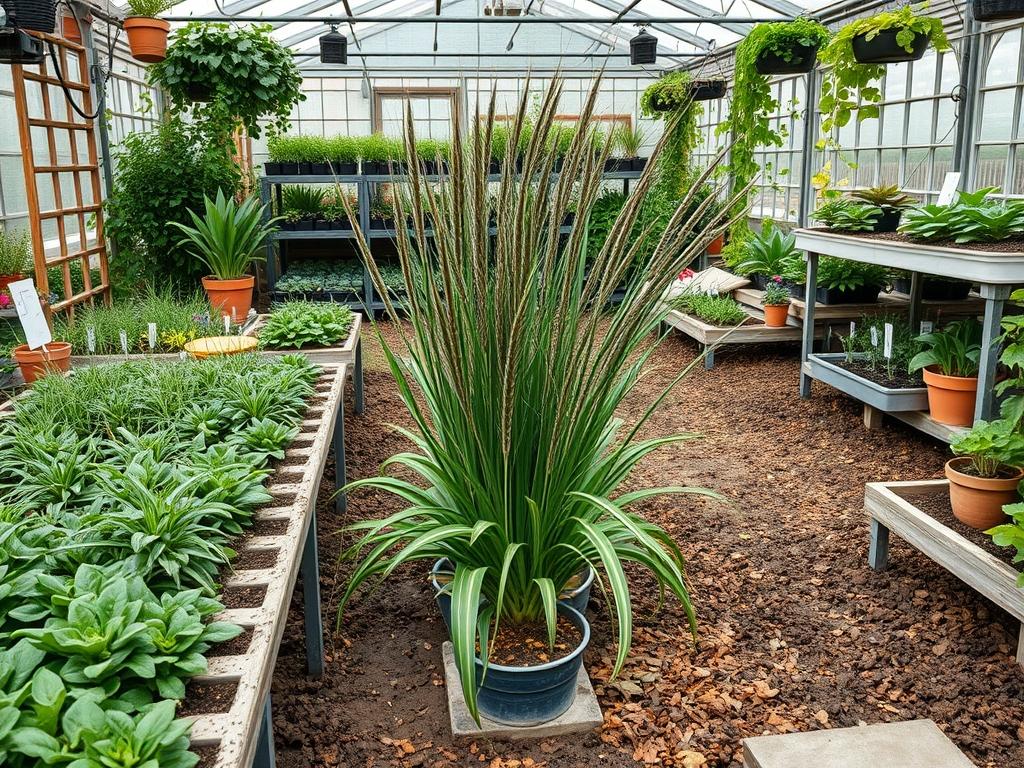
The strategic integration of native species into a formal landscape design requires a sophisticated understanding of both ecological function and aesthetic composition. When we approach a project involving the sacred art of growing, harvesting, and Braiding Sweetgrass, we are moving beyond simple ornamentation. We are engaging with a perennial grass that offers distinctive aromatic properties and a deep cultural history while presenting specific structural challenges for the modern site plan. The primary landscaping challenge lies in managing the aggressive rhizomatous growth of Sweetgrass (Hierochloe odorata) so that it enhances rather than overwhelms the curb appeal. This species thrives in USDA hardiness zones 3 through 7, demanding specific hydrological conditions that often require soil amendment or specialized drainage solutions. By treating the garden as a living system, the architect can create a functional outdoor environment that facilitates the traditional harvesting of the blades while maintaining a polished, professional appearance for the property.
As an outdoor environment consultant, I prioritize the balance between the wild nature of indigenous plants and the structured lines of hardscaping. The functionality of a harvestable landscape depends on accessibility; you cannot cultivate a plant meant for braiding if it is tucked behind dense shrubs or located in an inaccessible bog. We must design for the human scale, ensuring that the transition from a manicured turf or a sleek slate patio into a native grass meadow feels intentional. This involves careful consideration of the site topography and the prevailing winds, which can carry the vanilla like scent of the grass across seating areas. Proper planning ensures that the ecological benefits, such as soil stabilization and pollinator support, work in tandem with the visual goals of the homeowner.
Landscape Design Principles
Successful landscape design relies on the application of symmetry and focal points to guide the eye through the environment. When incorporating Sweetgrass, we use the principle of elevation layers to prevent the garden from appearing flat. We might place low lying groundcovers at the front of a border, followed by the mid height Sweetgrass, and anchored by taller structural elements like Red Osier Dogwood. This creates a tiered effect that mimics natural transitions while maintaining a tidy, curated look. Symmetry can be achieved through the mirrored placement of larger perennials or the consistent use of Steel Edging, which provides a crisp boundary between the spreading grass and formal walkways.
Focal points are essential in a harvest oriented garden to prevent it from looking like a neglected field. A stone bench, a large Basalt Column, or a well placed Birdbath serves as a visual anchor. These elements provide a place for contemplation and practical utility during the harvesting process. Irrigation planning is another critical pillar of design. Because Sweetgrass prefers moist conditions, the landscape should be zoned using a Drip Irrigation System that delivers water directly to the root zone without promoting fungal growth on the foliage. Walkways should be constructed from porous materials like Decomposed Granite or Flagstone to allow for natural water infiltration while providing stable footing for the gardener.
Visual balance is maintained by contrasting the fine texture of the grass blades with broader leafed plants or smooth hardscape surfaces. If the entire landscape consists of fine textures, the result is visually chaotic. By pairing the soft, swaying movement of the grass with the solid, static presence of a Retaining Wall or a heavy Wooden Pergola, we create a sense of permanence and order. This design philosophy honors the plant by providing it with a structured stage upon which it can flourish.
Plant and Material Selection
Selecting the right companions and materials is vital for a low maintenance yet high impact environment. The following table outlines the requirements for a successful planting palette centered around the art of Braiding Sweetgrass.
| Plant Type | Sun Exposure | Soil Needs | Water Demand | Growth Speed | Maintenance Level |
| :— | :— | :— | :— | :— | :— |
| Sweetgrass | Full Sun to Partial Shade | Rich, Moist, Loamy | High | Fast (Rhizomatous) | Moderate |
| Purple Coneflower | Full Sun | Well Drained | Medium | Moderate | Low |
| Little Bluestem | Full Sun | Sandy to Clay | Low | Moderate | Low |
| Blue Flag Iris | Full Sun to Partial | Wet/Boggy | High | Moderate | Moderate |
| White Cedar | Part Shade to Full Sun | Moist, Alkaline | Medium | Slow to Moderate | Low |
| River Rock | N/A | Drainage Layer | N/A | N/A | Very Low |
In addition to plant material, the selection of hardscape components like Mulch and Edging determines the longevity of the design. Cedar Mulch is frequently recommended for its ability to retain moisture and suppress weeds while complementing the natural aroma of the garden. For the pathways, a 4 inch base of Crushed Limestone ensures a solid foundation that prevents shifting over time.
Implementation Strategy
The implementation of a master garden plan begins with a thorough site analysis and grading. Proper grading ensures that water moves away from the home foundation while collecting in designated rain gardens or swales where Sweetgrass can thrive. I recommend a Laser Level to determine the exact slope of the land. If the site is too dry, we can excavate a shallow basin and line it with a Permeable Geotextile Fabric to help retain moisture without creating a stagnant pool.
Once the grade is established, hardscaping elements like Retaining Walls or Pavers should be installed first to avoid disturbing the soil later. After the skeleton of the garden is in place, we address soil health. Most native grasses require a soil pH between 6.0 and 7.5. We incorporate Organic Compost and Peat Moss into the top 8 inches of the soil to improve water holding capacity. Edging is perhaps the most important step for this specific plant; a subterranean barrier of at least 6 inches in depth is necessary to keep the rhizomes from invading nearby flower beds or the lawn.
When planting, space the Sweetgrass plugs approximately 12 inches apart. This allows them enough room to spread and fill in the gaps within two growing seasons. After the plants are in the ground, apply a 3 inch layer of Wood Chips to regulate soil temperature. Finally, the installation of a Smart Irrigation Controller will allow you to adjust water levels based on real time weather data, ensuring the plants receive the hydration they need during the peak of summer.
Common Landscaping Failures
One of the most frequent mistakes in native landscaping is the failure to account for drainage. While Sweetgrass loves moisture, it cannot survive in anaerobic conditions caused by standing water in heavy clay soil. Without proper Subsurface Drainage or a French Drain, the roots may rot. Conversely, planting it in a high heat, low moisture area without an adequate Irrigation plan will lead to stunted growth and brittle blades that are impossible to braid.
Root overcrowding and improper spacing are also common issues. Homeowners often plant too many species in a small area, leading to competition for nutrients and poor air circulation. This lack of airflow can invite powdery mildew. Furthermore, soil compaction from heavy foot traffic or construction equipment can kill a garden before it starts. Compacted soil lacks the pore space necessary for oxygen to reach the roots. A professional avoids this by using Stepping Stones to designate walking paths. Lastly, many neglect the containment of rhizomatous plants, only to find the “sacred” grass popping up through their expensive Tumbled Stone patio joints three years later.
Seasonal Maintenance
Seasonal management is the key to a productive and beautiful landscape. In the spring, the focus is on cleanup and preparation. Remove any heavy leaf litter that may have matted down over the winter, as this can smother new shoots. Apply a fresh 1 inch layer of Compost to provide a slow release of nutrients as the ground warms. This is also the best time to inspect your Irrigation Lines for leaks caused by winter freezes.
During the summer, the priority shifts to hydration and harvesting. Sweetgrass is typically ready for its first harvest in late June or July when the blades reach 18 to 24 inches in length. Use a sharp Pruning Shear to cut the blades, leaving at least 2 inches of growth to ensure the plant can recover. Keep a close eye on weeds; the moisture rich soil favored by the grass is also an ideal environment for invasive species.
Autumn is the season for structural maintenance and division. If the grass has become too dense, you can use a Spade to divide the clumps and transplant them to other areas of the property. Clear out spent perennial heads, though many designers recommend leaving some for winter visual interest and bird habitat. In the winter, the landscape enters dormancy. Minimal intervention is required, though you should ensure that any Evergreen structural plants are protected from heavy snow loads that could snap their branches.
Professional Landscaping FAQ
Question: How do I prevent sweetgrass from spreading into my lawn?
Install a professional grade Polyethylene Root Barrier vertically into the soil at a depth of 8 inches. This physical obstruction stops the creeping rhizomes from exiting the designated planting zone and invading your manicured turf.
Question: Can sweetgrass grow in a container on a patio?
Yes, use a wide, shallow Planter with a diameter of at least 20 inches. Use a moisture retentive potting mix and ensure consistent watering. This is an excellent way to maintain the plant without risk of garden spread.
Question: What is the best mulch for a native grass garden?
A double shredded Hardwood Mulch or fine Cedar Bark is ideal. These materials stay in place during rain events, retain essential moisture, and eventually break down into organic matter that improves the overall soil structure.
Question: Why did my newly planted grass turn brown in July?
This is likely a sign of heat stress or insufficient irrigation. Native grasses require supplemental water during their first two years. Check your Drip Emitters to ensure they are providing at least 1 inch of water per week.
Question: Is it necessary to fertilize sweetgrass annually?
Heavy chemical fertilizers should be avoided. Instead, top dress the area with Topsoil or Organic Compost every spring. This provides enough nitrogen to encourage lush leaf growth without making the plant overly aggressive or polluting the local watershed.