
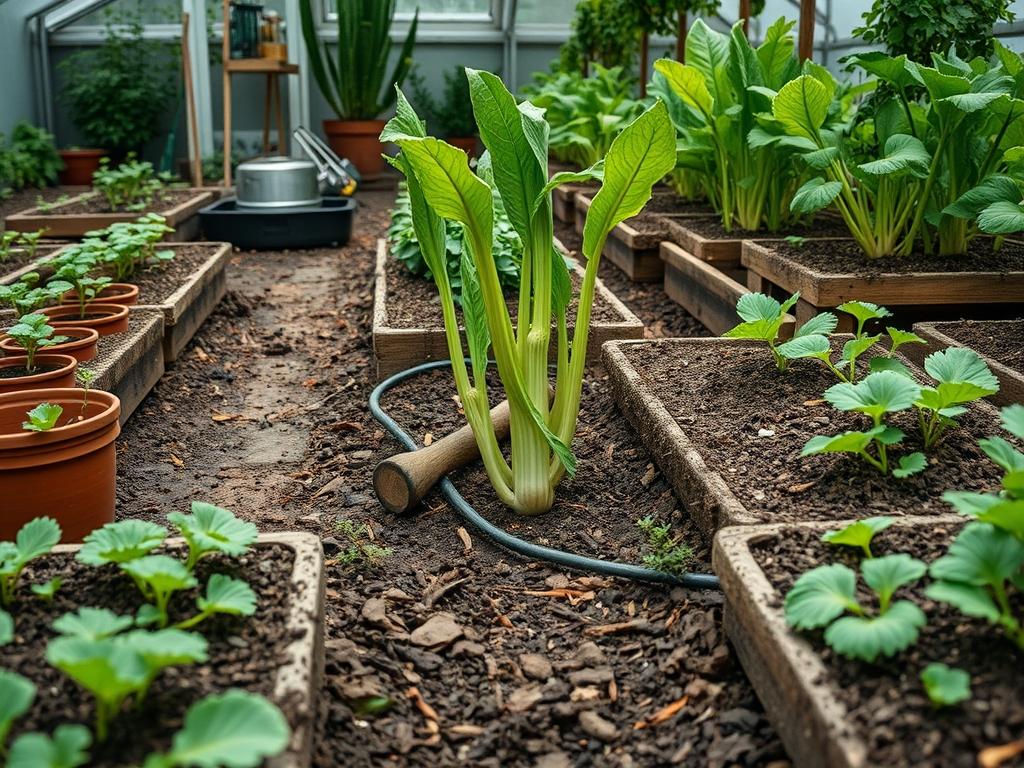
The integration of biennial crops into a permanent landscape architecture plan presents a unique challenge for the modern designer. While most residential projects focus on perennial aesthetics or annual color, the process of saving celery seeds requires a two year commitment that can disrupt the visual continuity of a garden if not managed with professional foresight. Celery is not merely a culinary staple; it is a structural plant that, in its second year, produces tall and architecturally significant umbels that resemble lace. Successfully overwintering these plants requires a deep understanding of microclimates, subterranean drainage, and soil thermal mass. From a landscaping perspective, the goal is to maintain curb appeal while providing the specific environmental protections necessary for the plant to transition from its vegetative stage to its reproductive stage. This involves strategic placement within the garden layout, ensuring that the utility of seed production does not detract from the overall outdoor functionality or the sophisticated geometry of the site.
Landscape Design Principles
When planning a garden intended for saving celery seeds, a landscape architect must apply the same principles of symmetry and focal points used in high end estate design. In the first year, celery provides a lush, low lying green texture that works exceptionally well as a border or an infill plant. However, during the second year, the plant will bolt, reaching heights of three to five feet. This dramatic shift in elevation must be accounted for during the initial spatial planning. We often recommend placing celery in the mid ground of a layered planting bed. This allows shorter annuals to mask the base of the celery stalks in the foreground, while taller shrubs or hardscaping elements provide a backdrop.
Visual balance is achieved by treats the second year celery as a temporary focal point. The delicate, airy white flowers can soften the look of rigid retaining walls or heavy stone walkways. Irrigation planning is critical here; the landscape should be graded to ensure that water moves away from the crown of the plant during the winter months. Poor elevation planning often leads to standing water, which is the primary cause of crown rot in overwintering biennials. By utilizing raised tiers or slight mounding, you can create the necessary drainage while simultaneously adding vertical interest to a flat backyard profile. Think of the celery patch not as a temporary vegetable plot, but as a dynamic structural component that shifts in scale throughout the seasons.
Plant and Material Selection
Selecting the right materials and companion species is essential for a cohesive environment. Professional grade soil amendments and specific mulch types play a dual role in both plant health and aesthetic finish.
| Plant Type | Sun Exposure | Soil Needs | Water Demand | Growth Speed | Maintenance Level |
| :— | :— | :— | :— | :— | :— |
| Apium graveolens | Full Sun | Rich, Loamy | High/Consistent | Moderate | Professional |
| Native Grasses | Full to Partial | Well-Drained | Low | Fast | Low |
| French Marigolds | Full Sun | Standard | Moderate | Fast | Low |
| River Rock | N/A | Drainage Layer | N/A | N/A | Low |
| Shredded Bark | N/A | Insulation | N/A | N/A | High |
The use of Hardwood Mulch at a depth of 3 inches is recommended for thermal regulation. For the soil, a blend of 60% Loam, 20% Compost, and 20% Perlite ensures the high nutrient availability required for the plant to develop the energy necessary for seed production in its second year.
Implementation Strategy
The implementation of a seed saving landscape begins with site grading. You must ensure the ground slopes away from your primary outdoor living areas at a minimum of 2 percent to prevent pooling. When laying out the garden, use Steel Edging or Belgium Block to define the boundaries of the celery beds; this prevents the spreading of turf and creates a clean, professional finish. During the autumn phase, the process of saving celery seeds moves into the overwintering stage. In colder climates, specifically USDA Zones 5 and below, the landscape design must incorporate a “sunken bed” or a Cold Frame structure.
Step one involves the installation of a French Drain if the area is prone to saturation. Step two is the preparation of the planting trench, which should be enriched with Organic Nitrogen. When the temperatures begin to drop, apply a heavy layer of Straw or Leaf Mold around the base of the celery. This is not just a gardening task; it is an aesthetic choice. Using high quality, uniform mulch ensures the garden looks intentional rather than neglected during the winter. In the spring, as the ground thaws, carefully remove the excess mulch to allow the soil to warm. Once the celery begins to bolt, you may need to install Bamboo Stakes or Discreet Wire Supports to keep the tall seed heads from flopping over onto walkways or other ornamental plants. This structured approach ensures that the functional goal of harvesting seeds is achieved without compromising the architectural integrity of the backyard.
Common Landscaping Failures
The most frequent failure in saving celery seeds is inadequate drainage. Many homeowners treat celery like a swamp plant due to its high water needs, but in an overwintering context, wet feet are fatal. If the site is not graded correctly, ice will form around the root system, expanding and crushing the delicate tissue. Another common error is root overcrowding. Landscape consultants often see residential gardens where plants are spaced too closely, leading to poor air circulation. This creates a playground for fungal pathogens that can destroy a seed crop before it matures.
Soil compaction is another silent killer. In high traffic areas, the weight of footfall can compress the soil, stripping it of the oxygen that roots need to survive the dormant season. We suggest the installation of Stepping Stones or Flagstone Pathways to direct traffic away from the sensitive root zones of your biennials. Finally, irrigation inefficiency often ruins the seed saving process. Using overhead sprinklers during the bolting phase can lead to heavy seed heads snapping or being prone to mildew. A Drip Irrigation System buried beneath the mulch is the professional solution, delivering moisture directly to the soil while keeping the foliage and developing seeds dry.
Seasonal Maintenance
Seasonal management is what separates a professional landscape from a hobbyist garden. In the spring, focus on soil aeration and the application of a Slow Release Fertilizer. As the celery enters its second year bloom, monitor the structural integrity of the flower stalks. Summer maintenance involves precise water management; as the seeds begin to dry on the plant, you must gradually reduce irrigation. If the seeds are exposed to excessive moisture during the final drying phase, they may sprout prematurely on the head or rot.
In the autumn, the harvest begins. You should cut the seed heads when they turn a light tan color and place them in Paper Bags or on Drying Screens in a well-ventilated area. Once the seeds are harvested, the plant can be removed, and the soil should be replenished with Green Manure or Cover Crops like Clover or Winter Rye to prevent erosion and nutrient leaching. Winter maintenance is primarily about protecting the next cycle of plants. Ensure that your mulch layers are intact and that any hardscaping elements, such as retaining walls or decorative urns, are winterized to prevent frost heave.
Professional Landscaping FAQ
How do I integrate celery seeds into a luxury landscape?
Use the second year stalks as a rhythmic vertical element. Plant them in clusters of three or five to create a deliberate, architectural look that mimics ornamental alliums while serving a functional purpose for seed saving.
What is the best way to prevent winter root rot?
Ensure a minimum 3 percent grade away from the plant crowns. Use a coarse Sand and Grit mixture at the base of the planting hole to facilitate rapid drainage during the freeze and thaw cycles of late winter.
Can I save seeds if I have a small urban patio?
Yes, celery can be overwintered in large Terracotta Planters or Cedar Raised Beds. Ensure the containers are insulated with Bubble Wrap or moved to a sheltered area to keep the root ball from freezing solid.
When exactly should I harvest the seeds?
Wait for the umbels to transition from green to a dusty brown. The seeds should feel hard and fall away easily when rubbed between your fingers. Harvest on a dry day to minimize the risk of mold.
Does mulch choice impact seed quality?
Indirectly, yes. A high quality Arborist Chip or Clean Straw regulates soil temperature, preventing the plant from “stressing” during the winter. A healthy, unstressed plant produces more viable, nutrient dense seeds for the following season.