
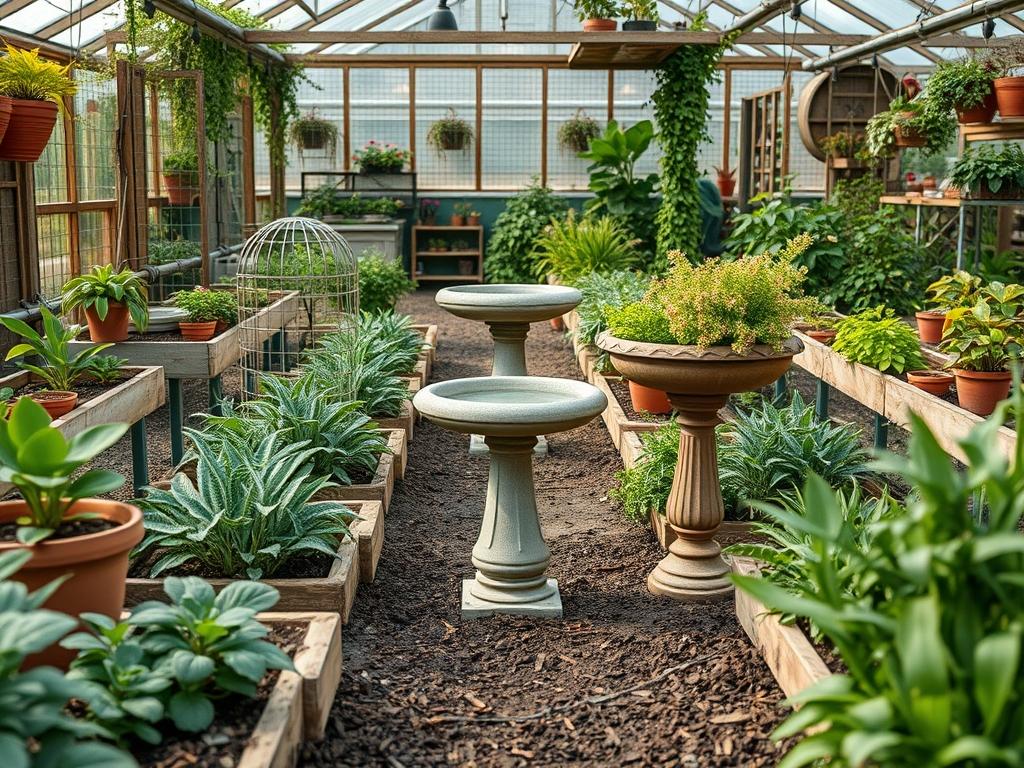
Landscaping is the art of balancing organic vitality with structural permanence. When we address the specific task of Designing Bird Baths, we are discussing the bridge between a static garden bed and a thriving, active ecosystem. Natural stone stands as the superior medium for these installations because it anchors the garden with a sense of geologic history. Unlike plastic, resin, or lightweight concrete alternatives, genuine stone evolves with its surroundings. It develops a unique patina that resonates with existing hardscaping elements like retaining walls and flagstone paths. A properly integrated stone bird bath transitions from a mere lawn ornament into a sophisticated focal point that defines an outdoor room. This choice also addresses practical climate demands. Natural materials like Granite or Basalt possess the thermal mass required to regulate water temperature, preventing it from overheating in the summer sun or cracking during the expansion of winter ice. By focusing on natural materials, a landscape architect ensures that the feature provides immediate curb appeal while fulfilling the long term functional goals of habitat support and environmental sustainability.
Landscape Design Principles
Effective landscape design relies on the intentional application of symmetry and visual weight. When Designing Bird Baths, the architect must treat the structure as a primary focal point that draws the eye through different elevation layers. Placing a stone basin atop a pedestal or a natural boulder creates a vertical accent in an otherwise horizontal plane of groundcover. This elevation is not merely for aesthetics; it provides birds with a needed vantage point to survey for predators. Symmetry can be achieved by flanking the bird bath with structural plants or by placing it at the terminus of a visual axis, such as the end of a long walkway.
Visual balance is further refined through the careful use of irrigation planning and drainage. A bird bath should never feel like an island in a sea of grass. Instead, it should be integrated into a larger planting scheme where runoff is managed through proper grading. In a formal garden, a stone basin might be centered in a mirrored bed of Boxwood, providing a sense of classical order. In a more naturalistic or xeriscape design, the bath might be nestled among stones of varying sizes to mimic a mountain spring. The principle is to ensure the weight of the stone feels anchored to the earth, rather than simply rested upon it. By burying the base of a pedestal or using a stabilized gravel foundation, the architect prevents shifting and ensures the basin remains level, which is vital for maintaining a consistent water depth of 1 to 2 inches.
Plant and Material Selection
The success of a bird bath environment depends heavily on the botanical palette surrounding it. Plants must offer cover and beauty without overwhelming the central feature.
| Plant Type | Sun Exposure | Soil Needs | Water Demand | Growth Speed | Maintenance Level |
| :— | :— | :— | :— | :— | :— |
| Purple Coneflower | Full Sun | Well-drained | Moderate | Fast | Low |
| Creeping Thyme | Full Sun | Sandy/Rocky | Low | Moderate | Low |
| Little Bluestem | Full Sun | Variable/Poor | Low | Moderate | Very Low |
| Lady Fern | Full Shade | Rich/Moist | High | Moderate | Medium |
| Dwarf Alberta Spruce | Full/Part Sun | Loamy | Moderate | Slow | Low |
| Blue Star Creeper | Part Sun | Moist/Rich | Moderate | Fast | Medium |
Implementation Strategy
The process of Designing Bird Baths begins with comprehensive site analysis. One must first assess the grading of the backyard to ensure that the heavy stone structure will not settle unevenly or sink into soft soil. Start by excavating the installation site to a depth of 6 inches. Fill this area with crushed limestone or 3/4-inch minus gravel and compact it thoroughly with a hand tamper. This stable base prevents the weight of a heavy boulder or stone pedestal from shifting during heavy rains or freeze-thaw cycles.
Once the foundation is secure, position the stone basin using an all-purpose level. If the bath is carved from a single piece of Sandstone or Slate, take note of the internal depth. Birds prefer a graduated entry, so if the stone is too deep, add a layer of smoothed River Rock or Pebble to provide safe footing. After the hardscaping is finished, install landscape fabric around the base to suppress weeds and cover it with a 3-inch layer of hardwood mulch or decorative stone. If the design includes a fountain or bubbler, run the irrigation lines or low-voltage electrical conduits through a PVC sleeve buried at least 12 inches deep to protect them from shovels and lawn equipment. Edging the surrounding bed with steel edging or cobblestone creates a clean transition between the bird bath alcove and the main lawn.
Common Landscaping Failures
The most frequent mistake in Designing Bird Baths is failing to account for subterranean conditions. Soil compaction is a silent killer of garden health; if the area surrounding the bird bath is not properly aerated, water will pool around the base, leading to structural instability and root rot in nearby plants. Improper spacing is another common error. Placing a bird bath too close to dense, low-hanging shrubs provides a hiding place for predators, which discourages birds from using the feature. A minimum clearance of 10 feet from dense cover is generally recommended.
Drainage mistakes often arise when designers ignore the slope of the land. If a bird bath is placed at the bottom of a hill without a French drain or similar mitigation, it will become a collection point for silt and debris during every rainstorm. Furthermore, many DIY installations forget the importance of a level basin. A tilt of even 5 degrees can cause water to spill out of one side, leaving much of the basin dry and creating a muddy mess on the downslope side. Finally, root overcrowding occurs when high-growth shrubs are planted too close to the stone foundation. Over several seasons, the vigorous roots of aggressive species can lift even a 400-pound stone feature, ruining the alignment.
Seasonal Maintenance
Landscape management is a year round commitment that changes with the environment. In the spring, the focus should be on deep cleaning the stone. Use a stiff-bristled brush and a solution of nine parts water to one part white vinegar to remove algae and mineral deposits from the Basalt or Granite. Inspect the irrigation lines for leaks and refresh the mulch to a depth of 3 inches to assist in moisture retention for the surrounding flora.
Summer maintenance requires consistent water monitoring. In high-heat regions, a stone bath can lose significant water through evaporation. Checking the depth daily ensures the birds have access and prevents pumps from burning out. During autumn, the primary task is debris management. Falling leaves can quickly rot in a stone basin, causing tannin staining and foul water. Using a leaf blower or manual rake to keep the area clear is essential. As winter approaches, if you are in a climate with hard freezes, you may need to add a specialized heater or empty the basin entirely. While natural stone is durable, porous stones like Limestone or Sandstone can be susceptible to “spalling” if water enters small fissures and freezes. Applying a breathable silane-siloxane sealer to the exterior can provide an extra layer of protection without ruining the natural look.
Professional Landscaping FAQ
How deep should a stone bird bath basin be?
The ideal depth for Designing Bird Baths is between 1 and 2 inches. Most songbirds will not enter water that is deeper than their legs. If your stone basin is deeper, add river rocks to create shallow lounging areas.
What is the best stone for long term durability?
Granite and Basalt are the most durable options. These igneous rocks are non-porous and resist cracking during freeze-thaw cycles. They also maintain their color even after decades of exposure to harsh UV rays and water.
Where should I place a bird bath for maximum safety?
Position the bath in a location with partial shade to keep water cool. Ensure there is clear visibility for at least 10 feet in all directions so birds can spot predators, while keeping trees nearby for quick escapes.
How do I prevent algae growth in a natural stone bath?
Maintain a clean environment by changing the water every two days. For a more permanent solution, incorporate a small solar-powered pump to keep the water moving, as mosquito larvae and algae struggle to thrive in agitated water.
Can I use a bird bath as a focal point in a small yard?
Yes, a stone bird bath is an excellent small scale focal point. In limited spaces, use the principle of elevation by placing the bath on a taller pedestal to draw the eye upward, making the garden feel larger.