
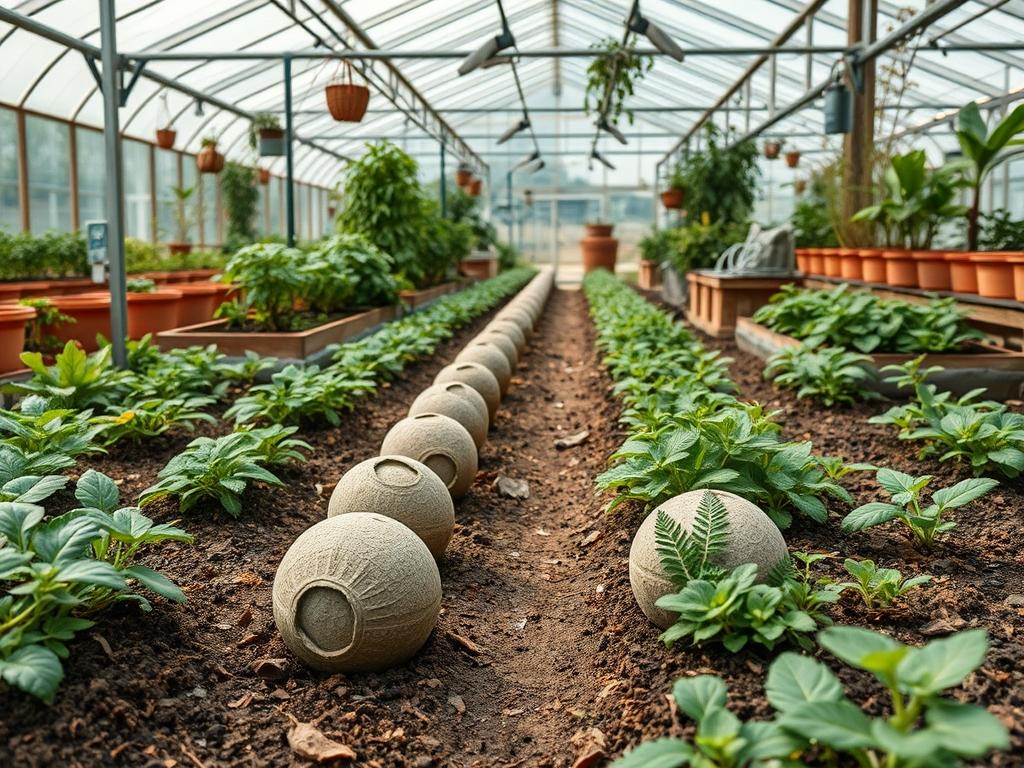
Restoring the ecological integrity of a landscape often requires more than traditional sod installation or nursery row planting. For property owners and developers looking to achieve a naturalistic, low maintenance aesthetic, rewilding has become a premier strategy. This process involves more than just letting weeds grow; it is a calculated effort to reintroduce native flora that provides both curb appeal and functional ecosystem services. One of the most effective tools in the landscape architect’s arsenal for this task is the clay seed ball. These compact delivery systems protect vulnerable seeds from predators and harsh environmental conditions until the precise moment for germination arrives. However, the successful execution of this technique depends entirely on the precision of your clay seed ball ratios. Without the correct balance of binding agents and nutrients, these interventions often fail to take root, leaving the site vulnerable to erosion and invasive species colonization.
A professional landscaping project must account for the local climate and specific microclimates within the property. In arid regions, the seed ball acts as a moisture reservoir; in temperate zones, it serves as a protective vault against early frost. When planning a rewilding project, the outdoor functionality goals usually revolve around soil stabilization and the creation of pollinator corridors. By integrating these biological units into the larger landscape design, we can create a self sustaining environment that reduces the need for expensive chemical fertilizers and intensive irrigation. This approach not only enhances the visual depth of the garden but also ensures the long term health of the local soil biome.
Landscape Design Principles
Integrating rewilding zones into a formal landscape requires a mastery of symmetry and focal points. We often use these wilder areas as a backdrop to more structured elements like Retaining Walls or paved Walkways. By utilizing elevation layers, architects can create a sense of discovery. Shorter, denser plantings should occupy the foreground, while taller, more structural species established via seed balls provide a soaring verticality at the property line. This layering creates a visual balance that prevents the rewilded area from appearing neglected.
Irrigation planning is equally critical. While seed balls are designed to be drought tolerant, their placement should align with the natural drainage patterns of the site. We analyze the topographical contours to ensure that water runoff is captured by the seed ball clusters rather than washing them away. Focal points can be established by grouping seed balls that contain late blooming or high contrast species, such as Purple Coneflower or Black-eyed Susan, near architectural features. This ensures that even a wild garden maintains a sense of intentionality and high end design.
Plant and Material Selection
The success of your rewilding effort is dictated by the materials you choose for the matrix. Use the following table to select species that perform optimally within a clay delivery system.
| Plant Type | Sun Exposure | Soil Needs | Water Demand | Growth Speed | Maintenance Level |
| :— | :— | :— | :— | :— | :— |
| Common Milkweed | Full Sun | Well-Drained | Moderate | Medium | Low |
| Little Bluestem | Full Sun/Part Shade | Sandy/Clay | Low | Slow | Very Low |
| Wild Bergamot | Full Sun/Part Shade | Rich/Moist | Moderate | Fast | Moderate |
| Prairie Dropseed | Full Sun | Rocky/Dry | Very Low | Slow | Low |
| Lanceleaf Coreopsis | Full Sun | Well-Drained | Low | Very Fast | Low |
| Blue Grama Grass | Full Sun | Loam/Dry | Low | Medium | Very Low |
Implementation Strategy
The core of the rewilding process is the Master Mix. The most effective professional ratio is 5 parts Red Pottery Clay, 3 parts Organic Compost, and 1 part Native Seed. To begin, utilize a Mechanical Sifter to ensure the clay and compost are free of large debris. Mix the dry ingredients thoroughly before adding water. The water should be introduced in small increments until the mixture reaches the consistency of modeling dough. If the mixture is too wet, the seeds may germinate prematurely. If it is too dry, the balls will crumble upon impact or during the drying process.
Once the mixture is ready, roll the material into balls approximately 1 inch in diameter. This size is ideal for manual distribution or for use with a broadcast spreader over larger acreage. After formation, the balls must be dried for at least 48 hours in a cool, shaded area. Placing them in direct sunlight can crack the outer shell, compromising the structural integrity.
Site preparation is the next phase. While seed balls are designed to be “toss and forget,” professional results require grading and edging. Use a Steel Rake to scarify the soil surface slightly in the target area. This increases the contact points between the ball and the earth. For drainage, ensure the area has a 2 percent slope to prevent standing water, which can rot the seeds inside the clay. If you are working on a steep embankment, use a Jute Erosion Control Blanket over the seed balls to anchor them until the root systems establish.
Common Landscaping Failures
The most frequent failure in rewilding is improper drainage. When seed balls sit in saturated soil for extended periods, the clay becomes a suffocating anaerobic environment. This leads to seed rot before the first sprout can emerge. Another common error is soil compaction at the site of installation. If the ground is too hard, the tender roots cannot penetrate the surface once they exit the clay shell. We recommend using a Core Aerator on the site prior to distribution to alleviate this issue.
Root overcrowding is another concern. Often, enthusiasts increase the Native Seed portion of the ratio beyond 1 part, thinking more is better. This leads to intense competition between seedlings for limited nutrients and water. Proper spacing is essential; aim for a distribution density of 2 balls per square foot. Finally, irrigation inefficiencies can kill a project. Over watering during the early stages can dissolve the clay shell too quickly, exposing the seeds before they are ready to weather the elements.
Seasonal Maintenance
Landscape management is a year round commitment. In the Spring, the primary focus is monitoring germination and managing invasive species that may attempt to outcompete your native plants. Hand pulling weeds is preferred to avoid damaging the emerging native seedlings. During the Summer, focus on deep irrigation during extreme heat waves. Even drought tolerant species require supplemental water during their first year of establishment to ensure deep root penetration.
In the Autumn, allow the plants to go to seed naturally. This provides food for local wildlife and contributes to the natural regeneration of the landscape for the following year. Mulching is generally not recommended for rewilding zones, as it can prevent next year’s seeds from reaching the soil. Instead, leave the leaf litter in place to act as a natural organic barrier. During the Winter, use the dormant season to evaluate the landscape’s structural integrity. Check Retaining Walls and Drainage Swales for any signs of shifting or blockage caused by the new vegetation.
Professional Landscaping FAQ
What is the best clay for seed balls?
Using a high quality Red Terracotta Clay is best because of its binding properties and mineral content. It provides a durable shell that protects against insects and birds while retaining enough moisture to support initial germination once the rains arrive.
How long can I store seed balls before use?
If kept in a cool, dry, and dark location, professionally prepared seed balls can remain viable for 12 to 24 months. Ensure they are stored in Breathable Cotton Bags or ventilated bins to prevent any moisture buildup and mold.
Do I need to bury the seed balls?
No, burying the balls is counterproductive. The clay matrix provides the necessary soil contact. Simply place or throw them onto the prepared surface. The rain will naturally break down the clay, allowing the seeds to settle into the earth at the correct depth.
Will seed balls work on steep slopes?
Yes, but they require stabilization. On grades steeper than 3:1, use a Biodegradable Mesh or plant the balls into small hand dug depressions. This prevents the balls from rolling to the bottom of the slope during heavy rain events.
Can I use any flower seed mix?
Only use Regional Native Seeds for the best results. Non native species often fail to thrive in local soil conditions and do not provide the necessary ecological benefits for local pollinators, which is the primary goal of any rewilding project.