Integrating a functional seed preservation program into a residential or commercial landscape requires a shift from purely aesthetic thinking to a systems based approach. When the primary objective involves saving heirloom pea seeds, the landscape architect must consider the biological requirements of the Pisum sativum species alongside traditional design elements like curb appeal and outdoor functionality. A well planned garden does not simply produce food; it serves as a living laboratory where environmental controls ensure the genetic purity and physical health of future generations. Achieving this necessitates a deep understanding of site microclimates, drainage patterns, and the spatial requirements of vertical growth.
Landscape designers often view the vegetable garden as a secondary utility zone, but for the serious seed saver, this area must be the focal point of the property. The site selection process begins with an analysis of solar orientation and wind patterns. Peas are cool season crops that require significant sunlight to develop robust seed pods, yet they are susceptible to heat stress which can sterilize pollen. To manage this, the landscape plan should incorporate natural windbreaks or strategically placed Retaining Walls that mitigate harsh thermal shifts. Proper grading is equally vital; standing water is the enemy of the root system, leading to fungal pathogens that can compromise the integrity of the seed crop. By utilizing Topsoil amended with high quality Compost, and ensuring a gentle two percent slope away from the planting beds, the architect creates a stable foundation for long term agricultural success.
Landscape Design Principles
The architectural framework of a seed saving garden relies on several core principles: symmetry, focal points, and elevation layers. Symmetry is not merely for visual pleasure; it provides a structured grid that makes tracking different heirloom varieties significantly easier. When saving heirloom pea seeds, maintaining distance between varieties is important to prevent accidental cross pollination, even though peas are primarily self pollinating. Designing the garden with distinct, symmetrical blocks allows for clear labeling and physical separation.
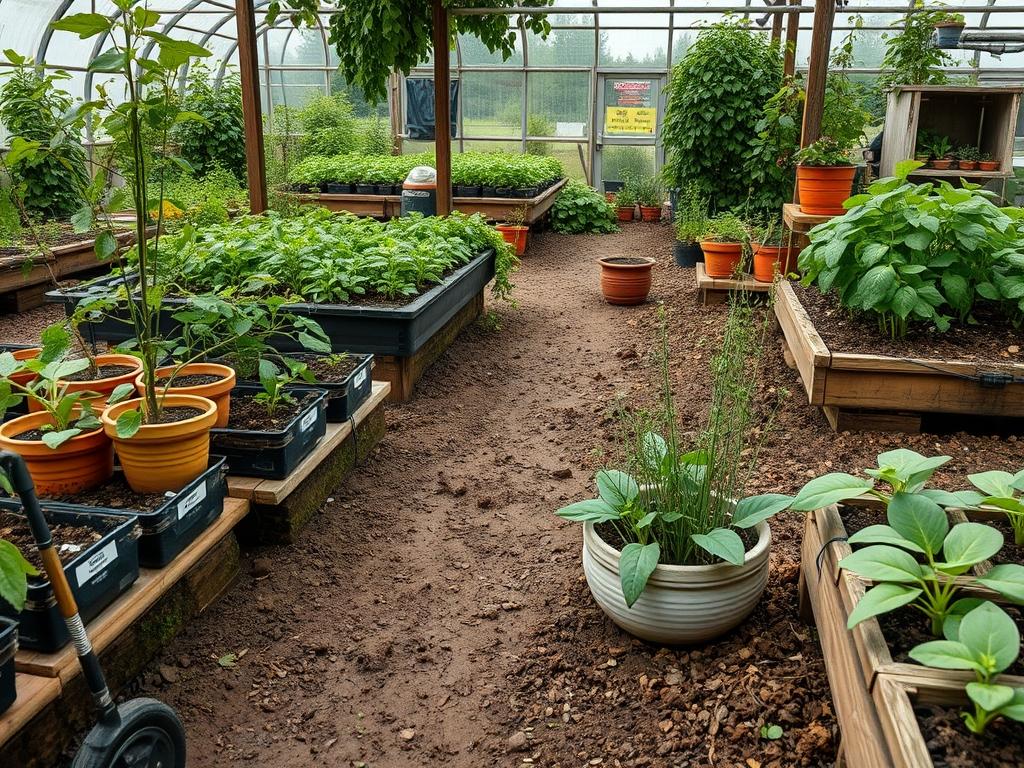
Focal points in this landscape often take the form of vertical structures. A high quality Cattle Panel trellis or a custom built Cedar obelisk serves as a visual anchor while providing the necessary support for climbing vines. These structures should be placed to create vertical interest without shading out lower growing companion plants. Elevation layers are achieved through the use of Raised Beds constructed from Douglas Fir or Stone. Raising the planting surface by 12 inches to 18 inches improves ergonomic access for the meticulous work of harvesting dried pods and prevents soil compaction from foot traffic. Furthermore, the integration of permanent Walkways made of Crushed Granite or Flagstone ensures that the garden remains accessible and professional in appearance throughout the muddy transition seasons.
Plant and Material Selection
The following table outlines the essential components for a landscape optimized for seed production and aesthetic harmony.
| Plant or Material | Sun Exposure | Soil Needs | Water Demand | Growth Speed | Maintenance Level |
| :— | :— | :— | :— | :— | :— |
| Shelling Peas | Full Sun | Well Drained Loam | Moderate | Fast | Medium |
| Snow Peas | Full Sun | Rich Organic Matter | Moderate | Fast | Medium |
| Native Grasses | Full to Part Sun | Adaptable | Low | Moderate | Low |
| Drip Irrigation | N/A | N/A | Low (Efficiency) | N/A | Low |
| River Rock | N/A | N/A | None | N/A | Low |
| Wood Chip Mulch | N/A | N/A | N/A | N/A | Medium |
Selecting the right materials extends beyond the plants. For a landscape intended to last centuries, the hardware must be resilient. Using Stainless Steel fasteners and Powder Coated Steel supports prevents rust and chemical leaching into the soil. When choosing mulch, Straw is often preferred in the vegetable beds for its ability to regulate temperature, while High Carbon Wood Chips are better suited for the surrounding paths to suppress weeds and build long term soil structure through fungal decomposition.
Implementation Strategy
The successful implementation of a seed saving landscape begins with site preparation and grading. Start by clearing the area of invasive species and leveling the ground to manage water runoff. If the site has heavy clay, install a French Drain system using Perforated Pipe and Drainage Gravel to whisk excess moisture away from the root zones. Once the infrastructure is localized, the layout of the beds should be staked out using Surveyor Tape and Wooden Stakes to ensure precision.
After the beds are constructed, focus on the soil profile. A blend of 60 percent Loam, 30 percent Compost, and 10 percent Perlite offers the ideal balance of nutrient density and aeration. Install a Drip Irrigation system with Emitters spaced every 6 inches to provide consistent moisture directly to the soil surface. This prevents wetting the foliage, which is a primary cause of powdery mildew in pea crops. Finally, apply a 3 inch layer of Organic Mulch to the surface. This layer protects the soil microbiome and reduces the need for frequent weeding, allowing the gardener to focus on the technical aspects of saving heirloom pea seeds.
Common Landscaping Failures
One of the most frequent mistakes in garden planning is improper spacing, leading to root overcrowding and poor air circulation. When plants are too close, they compete for nutrients, and the resulting seeds may be stunted or low in vitality. In a seed saving context, air flow is critical during the drying phase; if the pods cannot dry quickly on the vine, they will rot. Another common failure involves irrigation inefficiencies. Overhead watering not only wastes water but also creates a humid microclimate that encourages disease.
Soil compaction is a silent killer of productive landscapes. If the design does not include dedicated Walkways, people will inevitably step into the growing zones, crushing the delicate pore spaces in the soil that hold oxygen and water. This leads to anaerobic conditions that stunt growth. Finally, neglecting the “biological border” is a mistake. Without a buffer of Native Plants to attract pollinators and beneficial predatory insects, the heirloom peas are more vulnerable to aphid infestations and other pests that can ruin a seed crop before it reaches maturity.
Seasonal Maintenance
Seasonal management is the heartbeat of a functional landscape. In the spring, the focus is on soil activation and trellising. Inspect all Vertical Supports for structural integrity and ensure the Irrigation Controller is programmed for the increasing temperatures. As the peas grow, gentle guidance may be needed to help tendrils latch onto the Wire Mesh.
Summer is the critical period for saving heirloom pea seeds. As the plants reach the end of their life cycle, they will begin to brown and wither. While this may temporarily detract from the landscape’s lushness, it is a vital stage for seed maturation. The pods must remain on the vine until they are brittle and the seeds inside rattle. During autumn, once the seeds are harvested and stored in Glass Jars, the dead plant material should be removed and composted. This is the time to add a fresh layer of Leaf Mold or Compost to the beds to replenish nitrogen. In winter, maintenance shifts to hardware repair and seed inventory. Protect the soil from erosion by planting a cover crop like Winter Rye or by covering the beds with Burlap Sheets to maintain the integrity of the garden through the dormant months.
Professional Landscaping FAQ
How do I prevent my pea trellises from leaning?
Ensure your Support Posts are buried at least 2 feet deep. For taller structures, use Concrete Footings to stabilize the base against wind loads and the weight of heavy vines during the peak growing season.
What is the best mulch for seed saving beds?
Clean, weed free Straw is the gold standard for annual vegetable beds. It reflects excess heat, retains moisture, and decomposes into the soil within a single season, providing a clean surface for trailing pods.
Can I grow different pea varieties in the same bed?
To ensure genetic purity for saving heirloom pea seeds, separate different varieties by at least 25 feet. While they are self pollinating, this gap reduces the risk of rare cross pollination by adventurous insects.
How do I manage pests without harming my seed quality?
Implement an Integrated Pest Management strategy. Use Yellow Sticky Traps to monitor insect activity and encourage natural predators like ladybugs. Avoid broad spectrum pesticides which can linger on the seed coats and impact germination.
How long should I leave pods on the vine?
Wait until the pods are completely brown, dry, and thin like parchment. The seeds inside should be hard and unable to be dented with a fingernail; this ensures they have reached physiological maturity for long term storage.