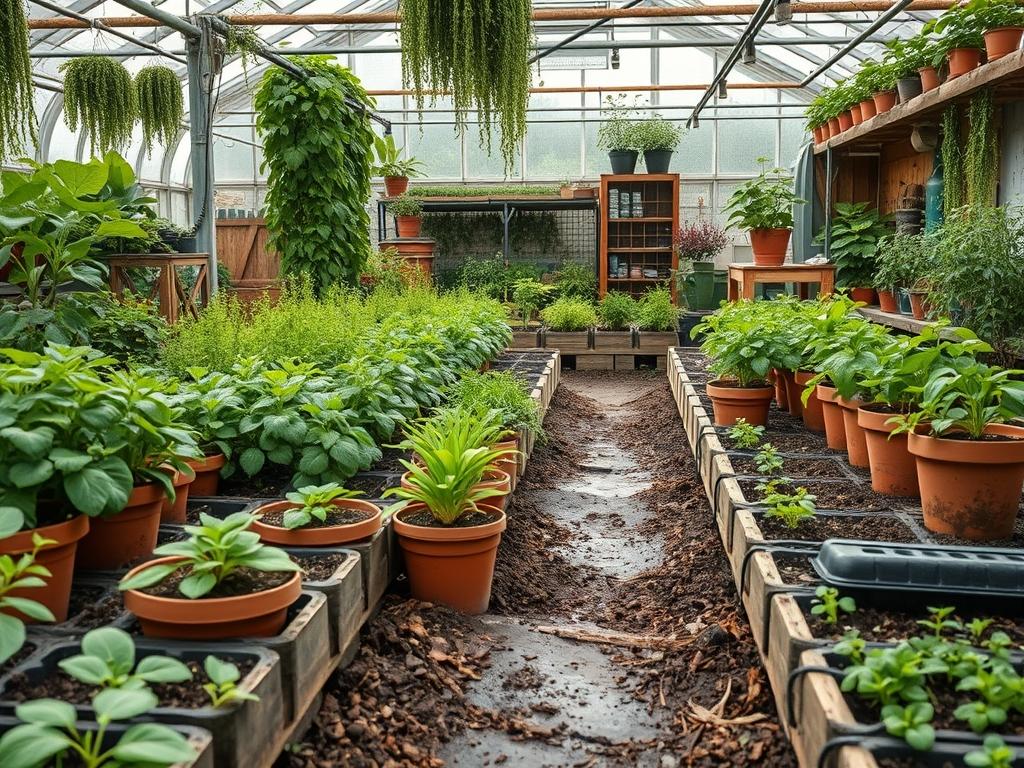
Integrating a functional seed production nursery into a high end residential landscape requires a sophisticated balance between aesthetic appeal and technical precision. Most homeowners view herbs as mere garnishes or low-lying groundcovers, yet for the serious collector, these plants represent a genetic legacy. The primary challenge lies in creating a controlled environment where rare species can thrive through their full reproductive cycle without compromising the property’s curb appeal. Unlike a standard kitchen garden where herbs are harvested frequently to encourage leaf growth, a landscape dedicated to saving rare herb seeds for potency requires plants to reach full maturity, flower, and eventually go to seed. This transition often results in a leggy or “bolted” appearance that can detract from clean garden lines if not managed through clever structural layering and site zoning.
Climate considerations are the most critical factor in this design process. Rare herbs, particularly those with ancient medicinal lineages like Ashwagandha or Heirloom Valerian, often require specific microclimates to produce seeds with high alkaloid concentrations. A landscape architect must evaluate the property’s topography to identify heat sinks against south facing masonry walls or cool, damp depressions for woodland varieties. By manipulating the environment through the strategic placement of retaining walls and evergreen windbreaks, we can extend the growing season. This extension is vital because the final stages of seed maturation often require stable, dry conditions that may not naturally occur in late autumn. A successful design ensures that functionality serves the plant’s biological needs while the visual output remains polished and intentional.
Landscape Design Principles
Symmetry and structure provide the necessary framework to hide the inherent chaos of a seed-producing garden. When herbs are allowed to bolt, they lose their manicured shape; therefore, they should be placed within rigid geometric beds or “rooms” defined by boxwood hedges or low stone borders. This creates a clear visual boundary between the intended wildness of the seeding herbs and the maintained transit areas of the yard. Focal points, such as a high quality weathered steel sculpture or a tiered stone fountain, draw the eye away from the drying seed heads and toward the permanent architectural elements of the landscape.
Elevation layers play a dual role in both aesthetics and seed health. By utilizing raised beds or terraced slopes, we ensure superior drainage and root oxygenation. This is essential for seed potency, as waterlogged soil can lead to fungal infections that degrade the embryo within the seed. Furthermore, irrigation planning must be exceptionally precise. While standard turf requires overhead spray, a seed saving garden demands subsurface drip irrigation. This method keeps the foliage and developing seed pods dry, preventing the premature rot or mold that frequently ruins a rare harvest. Walkways should be wide, ideally 5 feet or more, using stable materials like permeable pavers or decomposed granite. This allows for the easy movement of collection equipment while ensuring that the soil remains uncompacted.
Plant and Material Selection
The following table outlines the requirements for various rare herbs that are often central to high potency seed saving projects. Selecting the right species for your specific soil profile is the first step toward a successful harvest.
| Plant Type | Sun Exposure | Soil Needs | Water Demand | Growth Speed | Maintenance Level |
| :— | :— | :— | :— | :— | :— |
| Holy Basil (Tulsi) | Full Sun | Well-drained loam | Moderate | Fast | Medium |
| White Sage | Full Sun | Sandy, alkaline | Low | Slow | High |
| Black Cohosh | Partial Shade | Rich, moist humus | High | Slow | Medium |
| Stinging Nettle | Sun to Shade | Nitrogen rich | Medium | Very Fast | Low |
| Medicinal Marshmallow | Full Sun | Damp, clay-heavy | High | Moderate | Medium |
| Anise Hyssop | Full Sun | Average garden soil | Moderate | Fast | Low |
For the hardscaping, we recommend using natural flagstone or reclaimed brick to maintain a timeless feel. Avoid pressure-treated lumber in the vicinity of rare herbs, as the chemicals can leach into the soil and potentially affect the chemical composition of the seeds. Instead, opt for Redwood or Cedar for any wooden structures, as these materials offer natural rot resistance without the risk of contamination.
Implementation Strategy
The transition from a conceptual design to a physical installation begins with a rigorous site analysis and grading plan. To maximize seed potency, the garden should be oriented to capture maximum solar radiation during the ripening months of July and August. Begin by marking the perimeter of the beds using surveyor stakes and string lines to ensure perfect alignment. Grading is the next priority; the land must slope away from the primary seed beds at a minimum of 2 percent to prevent pooling water. If the natural terrain is flat, we install French drains or bioswales to move excess moisture toward the edges of the property.
Once the grading is finalized, the soil must be amended based on the specific needs of the rare herbs. Most heirloom varieties prefer a soil structure that mimics their native habitat. Use a rototiller to incorporate organic compost and perlite to a depth of 12 inches, ensuring the soil is light and friable. Edging is then installed to create a sharp break between the planting beds and the walkways. Heavy gauge steel edging or granite cobbles work best for this purpose, as they prevent the migration of lawn grasses into the delicate herb zones. After planting the herbs, apply a 3 inch layer of organic mulch, such as shredded cedar or pine bark. This mulch regulates soil temperature and prevents soil-borne pathogens from splashing onto the low-hanging seed pods during rain events. Hardscaping elements like stone benches or pergolas should be installed last to avoid damage from heavy machinery.
Common Landscaping Failures
The most frequent error in designing a seed-saving landscape is poor drainage. If a garden lacks proper elevation or a gravel sub-base, the “rare” aspect of the herbs will quickly vanish as they succumb to root rot. Another common failure is root overcrowding. To maintain genetic purity and high potency, different varieties of the same species must be spaced far enough apart to prevent cross-pollination. A landscape architect must account for these isolation distances by using tall shrubbery or physical structures to act as barriers against wind-blown pollen.
Soil compaction is another silent killer of herb potency. When heavy foot traffic occurs too close to the root zones, oxygen is pushed out of the soil, causing the plant to produce fewer oils and weaker seeds. We prevent this by designing dedicated maintenance paths and using stepping stones within larger beds. Finally, irrigation inefficiencies often ruin a crop. If sprinkler heads are set too high, the force of the water can shatter delicate seed heads before they are ready for harvest. Always use low-pressure emitters and ensure that the irrigation schedule is adjusted as the seeds begin to dry.
Seasonal Maintenance
Spring is the season of foundation. This is when we test the soil pH and add targeted nutrients like bone meal or kelp meal to support vigorous early growth. Pruning should be kept to a minimum during this time to allow the plant to establish its full structure. As we transition into summer, the focus shifts to moisture management and pest monitoring. Since rare herbs are being grown for seed, we avoid systemic pesticides that could leave residues in the embryos. Instead, use neem oil or insecticidal soaps only when absolutely necessary.
Autumn is the peak period for saving rare herb seeds for potency. During this window, we must monitor the color and texture of the seed pods daily. Once the seeds have reached a dark, hard state, they are harvested and moved to a dry, shaded area for final curing. Winter maintenance involves preparing the landscape for dormancy. We cut back the spent stalks after all seeds have been collected and apply a fresh layer of mulch to protect the crowns from frost heave. This cycle ensures that the garden remains productive and visually stunning year after year.
Professional Landscaping FAQ
What is the best way to prevent cross-pollination in a small yard?
Utilize physical barriers such as trellises with climbing vines or evergreen hedges to create isolation zones. Staggering the flowering times by planting early and late-maturing varieties also helps maintain the genetic purity of your rare herb seeds.
How deep should my raised beds be for medicinal herbs?
A minimum depth of 18 inches is recommended. This allows for extensive root development and ensures the soil stays well-drained. Deep beds also provide better insulation for the root systems during extreme temperature fluctuations in summer and winter.
Does mulch depth affect seed germination for self-sowing herbs?
Yes, a mulch layer exceeding 3 inches may prevent self-sowing seeds from reaching the soil. If you want herbs to naturalize, thin the mulch in those specific areas during the late autumn harvest to allow the seeds to make contact with the earth.
Is tap water safe for rare herb seed production?
While generally safe, highly chlorinated water can affect soil micro-ecology. We recommend installing a carbon filter on your irrigation line or using a rainwater collection system. Pure water supports healthier vascular systems, which directly leads to higher potency in the harvested seeds.
When should I replace the soil in my herb beds?
You should never need to replace the soil if you manage it properly. Instead, top-dress the beds annually with premium compost and mineral dust. This replenishes the micronutrients that rare herbs deplete during their intensive flowering and seed-setting phases.