
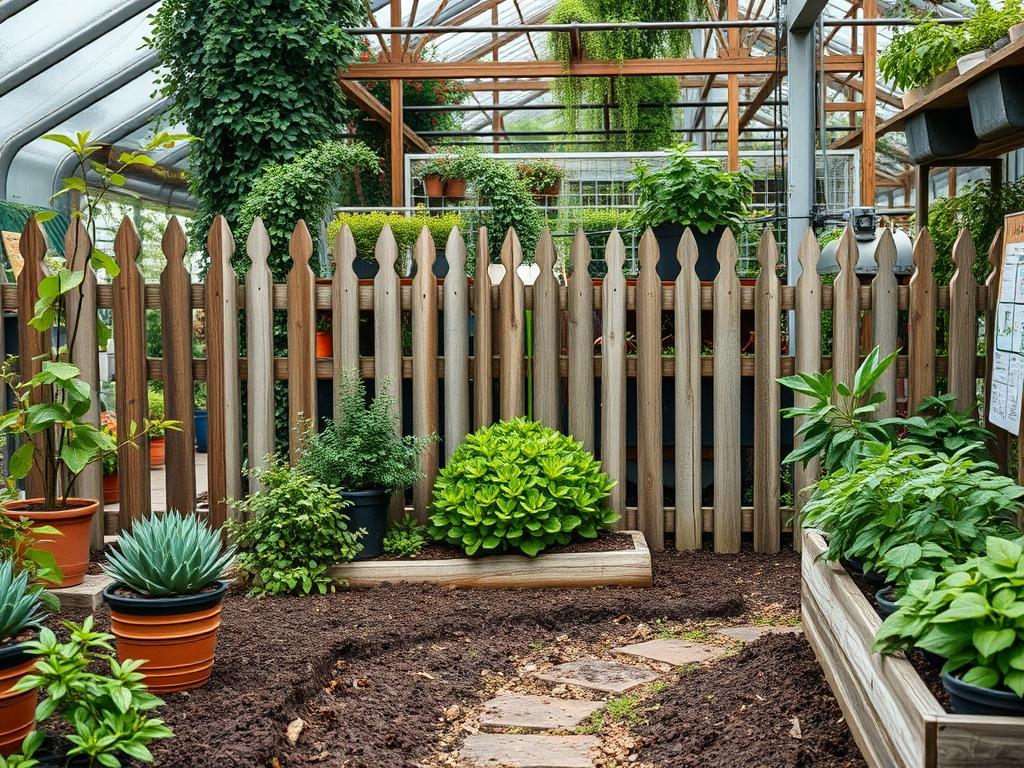
Selecting the right boundary marker is one of the most significant decisions a property owner makes during the master planning phase. A fence is more than a simple perimeter; it acts as the primary structure that defines the spatial flow and character of the entire outdoor environment. When we discuss Traditional Wood Fences, we are often referring to a specific aesthetic that values warmth, organic textures, and a seamless integration with the surrounding topography. Using local, untreated timber for these structures is not merely a stylistic choice. It is a strategic decision that affects soil health, plant vitality, and the long term sustainability of the ecosystem. In many modern landscapes, the reliance on pressure-treated lumber has introduced heavy metals and chemical stabilizers into the ground, which can negatively impact the delicate root zones of nearby ornamental plantings. By opting for local species like Black Locust, White Oak, or Western Red Cedar, a designer ensures that the aging process of the wood complements the natural patina of the garden while maintaining structural integrity without artificial additives.
The functionality of a fence extends into its ability to mitigate local climate challenges. Wind patterns, solar exposure, and moisture retention are all influenced by how a barrier is constructed and where it is placed. A traditional fence built from local timber responds to these variables more effectively because the wood has naturally evolved to withstand the specific fungal and insect pressures of the region. As the timber weathers, it develops a protective silver or charcoal gray layer that reflects heat during peak summer months, preventing the perimeter from becoming a radiant heat source that scorches nearby foliage. This natural resilience allows for a more fluid design that enhances curb appeal and increases the property value by creating a cohesive, high end look that feels established rather than synthetic.
Landscape Design Principles
Successful garden planning relies on the balance between hardscaping and softscaping. When integrating Traditional Wood Fences, the principle of symmetry often dictates that the fence line should echo the architectural lines of the primary residence. However, visual interest is maintained through the use of focal points, such as an ornamental gate or a section of decorative lattice, which draws the eye along the perimeter. Elevation layers play a critical role here; a fence should not look like a flat wall. Instead, it serves as the backdrop for a tiered planting scheme. By placing taller shrubs against the wood and shorter perennials toward the front, you create depth that makes a small backyard feel significantly more expansive.
Visual balance is further achieved by ensuring the fence height corresponds to the scale of the landscape. In an open meadow setting, a lower Split-Rail Fence maintains the view while defining the property line, whereas a Vertical Picket Fence provides much needed privacy in dense urban environments. The inclusion of walkways that meander toward or along the fence line invites movement and encourages interaction with the garden. These paths should be planned alongside the fence installation to ensure that drainage patterns are not interrupted. Proper irrigation planning is also essential; spray heads must be positioned to avoid constant saturation of the wood, even when using rot-resistant species like Cedar. By aligning the fence posts with the natural contours of the land, you avoid the jarring look of a stepped fence on a gentle slope, opting instead for a custom cut that follows the grading.
Plant and Material Selection
| Plant Type | Sun Exposure | Soil Needs | Water Demand | Growth Speed | Maintenance Level |
| :— | :— | :— | :— | :— | :— |
| Climbing Hydrangea | Part Shade | Rich, Moist | Medium | Moderate | Low |
| Boxwood Hedge | Full Sun/Part Shade | Well-Drained | Medium | Slow | High (Pruning) |
| Lavender | Full Sun | Sandy/Gravelly | Low | Fast | Medium |
| Star Jasmine | Full Sun/Part Shade | Loamy | Medium | Fast | Moderate |
| Switchgrass | Full Sun | Adaptable | Low | Fast | Low |
| Japanese Maple | Part Shade | Slightly Acidic | Medium | Slow | Medium |
Implementation Strategy
The process of installing a high quality landscape begins with comprehensive site preparation. Before any Lumber arrives on site, the area must be cleared of debris and the grading must be checked to ensure water flows away from the base of the fence. Start by marking the perimeter with string lines and stakes to visualize the layout. Use a Post-Hole Digger or an Auger to create holes that are at least 36 inches deep, or below the local frost line, to prevent shifting during freeze and thaw cycles. For local untreated timber, it is a professional best practice to backfill the bottom of the hole with 6 inches of crushed stone or gravel to facilitate drainage away from the post base.
Once the posts are set and plumbed, the rails should be attached using Stainless Steel Screws or Galvanized Nails to prevent staining on the wood surface. After the structural frame is complete, the focus shifts to the immediate surrounding soil. Edging should be installed at least 12 inches away from the fence to create a dedicated planting bed. This prevents lawn mowers and string trimmers from damaging the soft wood of the fence. Apply a 3 inch layer of Organic Mulch, such as shredded bark, to retain moisture for the new plants while serving as a buffer between the soil and the timber. This gap ensures that moisture does not wick directly into the wood, extending the lifespan of the untreated materials.
Common Landscaping Failures
One of the most frequent mistakes in residential design is poor drainage management around the fence line. If a fence acts as a dam for surface runoff, the wood will rot prematurely and the soil will become anaerobic, killing any nearby root systems. Always ensure that there is a slight gap between the bottom of the pickets and the ground to allow for airflow and water movement. Another common error is root overcrowding. Planting large trees like Oaks or Maples too close to a fence will eventually lead to the root flare lifting the posts, destroying the structural integrity of the barrier. Proper spacing, based on the mature width of the species, is mandatory for long term success.
Soil compaction is an underrated failure point. During the construction of Traditional Wood Fences, heavy foot traffic and equipment can compress the earth, making it difficult for plants to establish. It is vital to aerate the soil and incorporate Compost before finishing the landscape. Finally, irrigation inefficiencies, such as pointing rotors directly at the timber, can lead to algae growth and fungal decay. Professional installers always design a buffer zone where irrigation is strictly focused on the root zones of the plants, keeping the wood as dry as possible to leverage its natural durability.
Seasonal Maintenance
Landscape management requires a proactive approach that changes with the seasons. In the Spring, inspect the fence posts for any heaving caused by winter frosts. This is also the time to apply a fresh layer of Mulch and prune any climbing vines that may have become too heavy for the wooden trellis. During the Summer, focus on water management. Ensure that the irrigation system is functioning correctly and that water is not pooling near the fence footings. If the local untreated timber shows signs of excessive drying, a clear, non-toxic water repellent can be applied to slow the graying process, though this is purely for aesthetics.
As Autumn arrives, the primary task is leaf removal. Wet leaves trapped against the base of a fence create a microclimate for rot and insect infestations. Clean out the gaps between the boards and ensure that any nearby Retaining Walls are clear of debris to prevent overflow. Finally, in Winter, check the structural stability of the fence after heavy wind or snow events. If using untreated wood, avoid using de-icing salts near the fence line, as these can leach into the timber and cause the fibers to break down. Instead, use coarse sand for traction in walkways adjacent to the garden boundary.
Professional Landscaping FAQ
Why choose untreated wood over pressure-treated options?
Untreated wood from local species like Cedar contains natural oils that resist rot. This avoids leaching toxic chemicals into your garden soil, protecting your Native Plants and local groundwater while providing a beautiful, natural aging process that synthetic treatments cannot replicate.
How do I prevent my wooden fence from rotting at the base?
Ensure a 2 inch clearance between the bottom pickets and the soil. Use Gravel for backfilling post holes to encourage drainage. Keeping Mulch and heavy foliage away from direct contact with the wood also facilitates essential airflow and drying.
Can I grow climbing plants directly on a traditional wood fence?
Yes, but use a secondary trellis or wire system made of Galvanized Steel. This creates a small air gap between the foliage and the Lumber, preventing moisture from being trapped against the wood, which significantly reduces the risk of fungal decay.
What is the best way to handle a sloped property line?
For a professional look, utilize a contoured method where the horizontal rails follow the grading of the land. This prevents large gaps at the bottom and maintains a consistent height, providing better visual balance and more effective containment for pets or children.
Does a wooden fence require a concrete footing?
While concrete provides stability, it can trap moisture against the post. In well-draining soils, using Crushed Stone and heavy tamping is often superior for untreated timber. If using concrete, crown the top so water sheds away from the Post.