
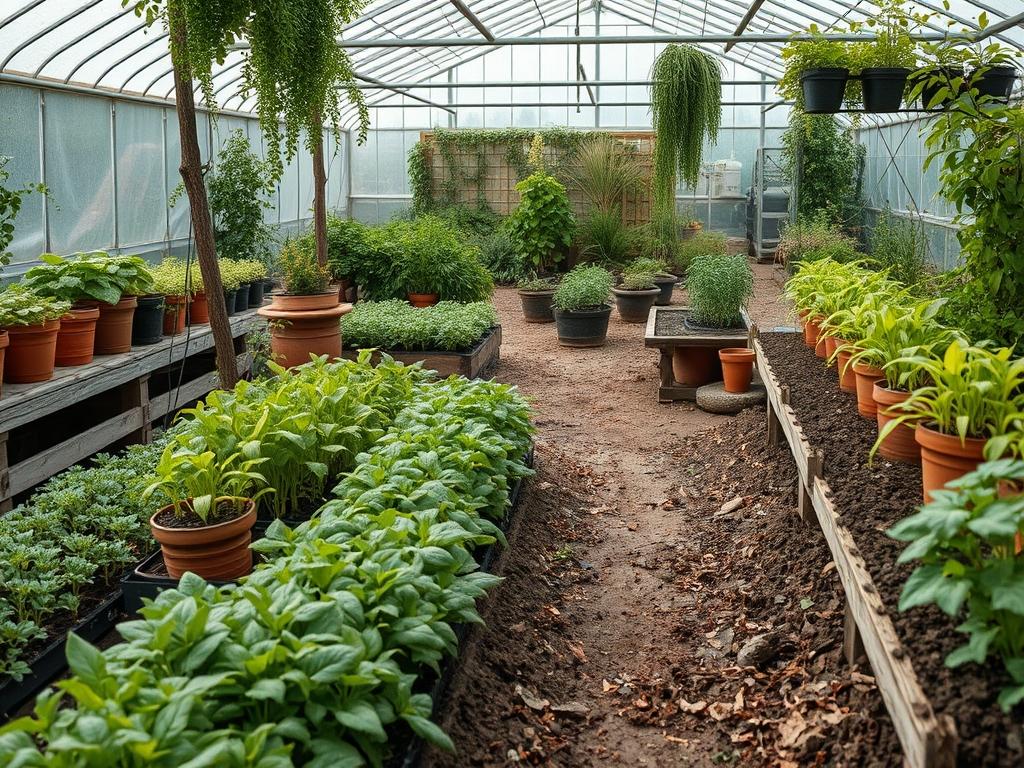
Integrating a functional herb harvest area into a sophisticated outdoor environment requires a delicate balance between aesthetic elegance and utilitarian performance. Traditional herb drying, the process of preserving botanical oils by hanging harvested stems in bundles, necessitates a landscape design that prioritizes air circulation, protection from the elements, and strategic proximity to the kitchen or drying shed. As a landscape architect, I view the herb garden not merely as a decorative patch, but as a sensory installation that enhances the property’s value. The primary challenge involves managing local microclimates to ensure that moisture levels do not compromise the essential oils within the plants. A successful design accommodates the full lifecycle of the plant, from the initial planting in well-draining soil to the eventual harvest and bundling for preservation. By treating the garden as a production site, we can improve curb appeal while fulfilling high-level outdoor functionality goals.
The climate play is a critical factor when planning for traditional herb drying. In humid regions, the architecture of the garden must promote maximum airflow. This is achieved through the use of retaining walls and elevated planting beds that lift the plants into the breeze. In arid climates, we focus on protecting the foliage from excessive dust and UV degradation. The visual impact of these spaces is significant. A well-ordered potager garden, characterized by structured paths and classic bundling areas, offers a timeless appeal that complements both modern and traditional architectural styles. By focusing on the infrastructure of the landscape, such as permeable pavers and irrigation systems, we create an environment where herbs can thrive in their peak state before being moved to the drying phase.
Landscape Design Principles
To achieve a professional-grade herb garden suitable for traditional herb drying, we must adhere to core landscape design principles. Symmetry is often the foundation of these spaces. By mirroring planting beds across a central flagstone walkway, we create a sense of order and permanence. This geometric approach allows the gardener to navigate the space easily during the harvest season. Focal points, such as a stone pedestal or a large-scale urn, serve to anchor the garden and draw the eye. These elements also provide a physical location for temporary harvest stations where garden shears and natural twine are kept ready for use.
Elevation layers play a vital role in both the health of the plants and the ergonomics of the harvest. We often design tiered beds using natural stone or treated timber to provide various depths for different root systems. This elevation ensures superior drainage, which is the most important factor for Mediterranean herbs like lavender or rosemary. When considering the drying process, we must also plan for the transition from the field to the drying rack. The walkway should lead directly to a well-ventilated structure, such as an open-sided pavilion or a porch with high eaves. Irrigation planning should favor drip emitters located at the base of the plants to keep the foliage dry, which is essential for ensuring a clean, mold-free drying process once the herbs are bunched.
Plant and Material Selection
| Plant Type | Sun Exposure | Soil Needs | Water Demand | Growth Speed | Maintenance Level |
| :— | :— | :— | :— | :— | :— |
| Lavandula angustifolia | Full Sun | Sandy, Alkaline | Low | Moderate | Medium |
| Rosmarinus officinalis | Full Sun | Well-drained | Low | Moderate | Low |
| Salvia officinalis | Full Sun | Loamy, Well-drained | Moderate | Fast | Medium |
| Thymus vulgaris | Full Sun | Gritty, Poor | Low | Moderate | Low |
| Origanum vulgare | Full Sun/Partial | Average, Well-drained | Moderate | Fast | Low |
| Mentha spicata | Partial Shade | Moist, Rich | High | Vigorous | High |
Selecting the right materials for the landscape is just as important as the plants themselves. For the walkways, we recommend crushed granite or pea gravel with a minimum depth of 3 inches. These materials allow water to permeate the soil rather than pooling around plant bases. For the bundling and drying zones, we utilize cedar posts and galvanized wire to create sturdy, weather-resistant structures. The choice of mulch is also critical. A 1-inch layer of fine-textured bark or river rock helps regulate soil temperature without trapping excessive moisture against the stems of the herbs, which could lead to fungal issues during the bunched drying stage.
Implementation Strategy
The implementation of a professional herb drying landscape begins with precise grading. The site must be sloped at a 2 percent grade away from any permanent structures to ensure proper drainage. Once the grading is complete, we install 4-inch perforated drainage pipes wrapped in filter fabric to manage heavy rainfall. The layout follows with the marking of paths and bed borders using steel edging or cobblestone. This creates a crisp transition between the garden beds and the walking surfaces, which is a hallmark of high-end landscape design.
The next step involves soil amendment. We typically mix the native soil with organic compost and coarse sand at a ratio of 2:1:1 to create an ideal growing medium for aromatic herbs. After the soil is prepared, the planting begins. We spacing the plants at least 18 inches apart to allow for mature growth and optimal air circulation. For the drying infrastructure, we recommend installing a series of heavy-duty hooks or a suspended wooden frame in a shaded, airy location. This allows for traditional herb drying by hanging bunches of stems, usually 10 to 15 stems per bunch, secured with a rubber band or jute twine. The bunching should occur after the morning dew has evaporated but before the sun is at its peak to preserve the highest concentration of essential oils.
Common Landscaping Failures
One of the most frequent failures in herb garden design is inadequate drainage. Many homeowners use heavy clay soil without sufficient amendments, leading to root rot. Herbs used for traditional herb drying require oxygenated roots; therefore, we must avoid soil compaction at all costs. Overcrowding is another common mistake. While a dense garden looks lush initially, it prevents air from moving through the foliage. Without this airflow, the herbs become susceptible to powdery mildew, making them unsuitable for drying in bunches where air must reach the center of the bundle.
Improper irrigation timing is a third failure point. Watering late in the evening leaves the foliage damp overnight, which invites pathogens. Professional landscapes utilize automated timers set for early morning delivery. Additionally, many designers forget to account for the proximity of the plants to dusty paths or high-traffic areas. Herbs intended for drying should be located in a “clean zone” to prevent dirt and pollutants from sticking to the resinous leaves. Finally, failing to refresh the mulch can lead to weed encroachment and moisture loss, stressing the plants and reducing the quality of the harvest.
Seasonal Maintenance
The maintenance of an herb-focused landscape changes with the seasons. In the spring, we focus on “reawakening” the garden through light pruning of dead wood and a fresh application of slow-release fertilizer. This is the time to inspect the irrigation lines for leaks or clogs. As summer approaches, the focus shifts to harvesting. This is the peak season for traditional herb drying. We monitor the plants daily, looking for the emergence of flower buds, which is usually the signal for the highest oil content.
During the autumn, we transition to garden cleanup. We remove any annual herbs and cut back perennials like sage by approximately one-third of their height. This helps prevent snow damage and prepares the plants for dormancy. In the winter, the priority is protection. In colder climates, we apply a 4-inch layer of straw mulch or evergreen boughs to protect the crowns of the plants from freeze-thaw cycles. We also use this time to maintain the drying equipment, cleaning the drying racks and sharpening pruning shears with a honing stone to ensure clean cuts for the following season.
Professional Landscaping FAQ
What is the best time of day to harvest for drying?
Harvesting should occur in the mid-morning, approximately 10:00 AM, after the dew has dried but before the sun is high. This timing ensures the highest concentration of essential oils and prevents wilting before the traditional herb drying process begins.
How many stems should be in a single bunch?
For effective drying, bundle 8 to 12 stems together. Using too many stems creates a dense center that lacks airflow, which can lead to mold. Use rubber bands instead of string to maintain a tight grip as stems shrink.
Can I dry herbs in a humid climate?
Yes, but you must ensure maximum airflow. Design your landscape with raised beds and wide spacing. If humidity is over 60 percent, consider using a dehumidifier or high-powered fans in your designated indoor or outdoor drying area.
Which mulch is best for a culinary herb garden?
Use cedar mulch or pea gravel. Cedar provides natural pest resistance and breaks down slowly, while gravel offers excellent drainage and reflects heat onto the plants. Avoid dyed mulches or those containing chemical additives that might contaminate the harvest.
Do herbs need high-nitrogen fertilizer?
No. High nitrogen encourages rapid, lush growth that lacks the concentrated oils required for high-quality traditional herb drying. Use a balanced, organic fertilizer or a simple top-dressing of compost once per year in early spring for the best results.