Establishing a self-sustaining landscape requires more than just reactive maintenance; it demands a proactive approach to the biological life cycle of the species within your design. From a landscape architecture perspective, saving flower seeds represents the ultimate closed loop system. It allows a property owner to preserve site-specific genetic traits that have successfully adapted to the local microclimate, soil pH, and drainage patterns. When we design high-end outdoor environments, we focus on curb appeal and functionality, yet the long term cost of replacing annuals and perennials can be significant. By integrating seed harvesting into your seasonal management plan, you ensure a replenishing supply of flora that maintains the intended aesthetic without the recurring overhead of nursery acquisitions. This strategy not only enhances the ecological health of the site but also guarantees that the specific cultivars used to define your color palette remain consistent year after year.
Effective seed saving begins with an understanding of the site conditions and the physiological maturity of the plants. In regions with high humidity or unpredictable rainfall, timing the harvest is critical to prevent fungal pathogens from compromising the embryonic health of the seeds. A professional landscape consultant views each plant as a structural element that contributes to the overall geometry of the space. As the season progresses, we must balance the desire for a clean, manicured appearance with the biological necessity of allowing seed pods to dry on the stem. This transition requires a nuanced approach to garden planning, ensuring that the visual decline of maturing seed heads is masked by late blooming structural plants or evergreen backdrops.
Landscape Design Principles
In the realm of landscape architecture, symmetry and focal points dictate the flow of the eye, but the lifecycle of the plants dictates the flow of the budget. When planning a garden intended for seed propagation, one must consider elevation layers. Taller, seed-heavy plants like Purple Coneflower or Zinnias should be situated in the background or mid-border. This placement allows the maturing, slightly weathered seed heads to remain hidden behind shorter, vibrant foreground species until they are ready for collection. Visual balance is maintained by mixing these “production” plants with ornamental grasses that provide structural integrity throughout the drying process.
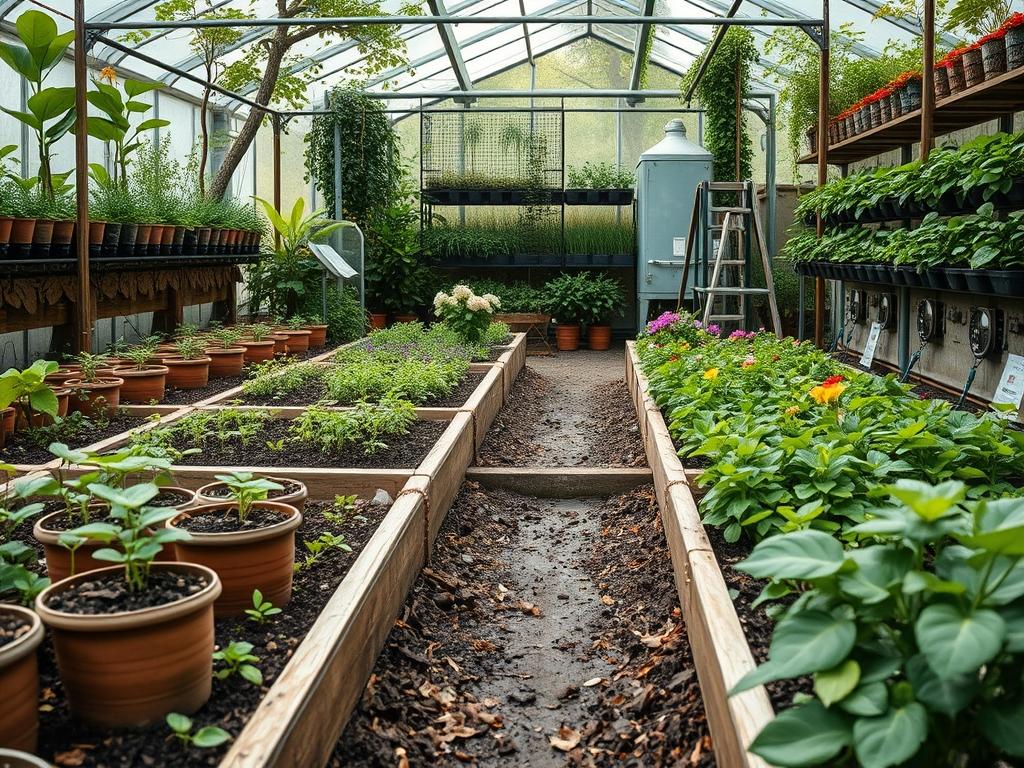
Irrigation planning is another vital pillar of design when saving seeds. Overly aggressive overhead irrigation can lead to premature seed drop or rot. Instead, we implement drip irrigation systems that deliver water directly to the root zone, keeping the foliage and developing seed pods dry. This precision ensures that the reproductive energy of the plant is not wasted fighting off mildew. Furthermore, walkways should be designed to provide easy access to these specimens without compacting the soil around the delicate root systems. A well-placed flagstone path or gravel walkway allows the gardener to navigate the beds for harvesting without disturbing the carefully graded soil levels or the integrity of the edging.
Plant and Material Selection
Selecting the right species for a seed-saving program involves analyzing their growth habits and reproductive reliability. Open-pollinated varieties are preferred over hybrids, as they produce offspring that are true to the parent plant’s form and color. The following table outlines several high-performance species suitable for residential and commercial landscape integration.
| Plant Type | Sun Exposure | Soil Needs | Water Demand | Growth Speed | Maintenance Level |
| :— | :— | :— | :— | :— | :— |
| Zinnia Elegans | Full Sun | Well-drained, Loamy | Moderate | Fast | Low |
| Calendula | Full to Partial Sun | Average, Neutral pH | Low to Moderate | Medium | Low |
| Cosmos Bipinnatus | Full Sun | Poor to Average | Low | Fast | Minimal |
| Echinacea | Full Sun | Rocky or Sandy | Drought Tolerant | Slow to Medium | Medium |
| Marigold | Full Sun | Rich, Well-drained | Moderate | Fast | Low |
| Sunflower | Full Sun | Deep, Nutrient Rich | High | Rapid | Moderate |
Implementation Strategy
The successful implementation of a seed-saving landscape starts with proper site preparation. Grading is the first priority; the land must be sloped at a minimum of 2 percent away from any structures to ensure proper drainage. Once the skeleton of the landscape is established through retaining walls and hardscaping, the soil profile must be optimized. Incorporating 3 inches of organic compost into the top 8 inches of soil provides the nutrient density required for robust seed production.
When the plants reach the end of their bloom cycle, use high-quality bypass pruners to harvest the seed heads. It is essential to wait until the pods have turned brown and brittle. For species like Cleome or Lupine, which have explosive seed dispersal mechanisms, placing a small mesh bag over the flower head can capture the seeds before they scatter. Once collected, seeds should be spread out on a flat surface in a cool, dry area for at least two weeks.
Following the harvest, the landscape requires a clean-up phase to maintain its professional appearance. Remove the spent stalks and apply a fresh layer of double-shredded hardwood mulch at a depth of 2 to 3 inches. This protects the soil from erosion and suppresses weeds while the harvested seeds are prepared for winter storage in an airtight container or silica-gel pack.
Common Landscaping Failures
One of the most frequent errors in garden management is improper spacing, leading to root overcrowding. When plants are satiated with competition for nutrients and light, their seed quality diminishes. A landscape architect calculates the mature spread of each species, ensuring that 12 to 18 inches of clearance is maintained between mid-sized perennials. Soil compaction is another silent killer of a productive garden. High foot traffic near planting beds compresses the macropores in the soil, limiting the oxygen available to the roots and stunting the plant’s reproductive capacity.
Drainage mistakes can also ruin a seed-saving initiative. If the site has heavy clay soil, the lack of vertical drainage can lead to root rot during the rainy season. We solve this by installing French drains or creating raised masonry planters to elevate the root zone. Additionally, irrigation inefficiencies, such as watering during the heat of the day, can cause scorched foliage and weakened seeds. Professional systems should be calibrated to run in the early morning hours, utilizing smart controllers that adjust for local weather patterns.
Seasonal Maintenance
The cadence of landscape maintenance varies significantly by the calendar. In the Spring, the focus is on soil aeration and the sowing of the seeds saved from the previous year. This is the time to check the functionality of the irrigation heads and apply a slow-release fertilizer to support early growth. As the Summer progresses, the primary task shifts to monitoring for pests and ensuring that the plants receive consistent moisture during the peak heat. Deadheading should be done selectively; removing early blooms encourages more flowers, but late season blooms must be left intact to develop seeds.
Autumn is the primary season for the harvest. During this window, practitioners must be vigilant about moisture levels, as early frosts or heavy rains can damage the drying pods. Once the harvest is complete, focus shifts to “putting the garden to bed” by cutting back perennials and prepping the irrigation system for winterization. In the Winter, the maintenance is largely administrative. This is when the saved seeds are inventoried, and the master plan for the following spring is finalized. It is also an ideal time to repair any stone masonry or wooden decking that may have been damaged during the growing season.
Professional Landscaping FAQ
How do I know if a seed is ready for harvest?
The seed pod or flower head will typically turn brown, dry, and brittle. For many species, the seeds will rattle inside the pod or easily detach from the base when touched. Avoid harvesting green or damp pods.
Will saved seeds produce the exact same color flowers?
If you are using open-pollinated heirloom varieties, the offspring will remain consistent. However, if your landscape contains various cultivars of the same species, cross-pollination may occur, resulting in unique but slightly different color variations in the next generation.
What is the best way to store seeds through winter?
Keep seeds in a cool, dark, and dry environment. Paper envelopes are excellent for breathability, while glass jars offer protection from pests. Always label each container with the species name and the date of harvest for accurate spring planning.
Can I save seeds from hybrid plants purchased at big-box stores?
Seeds from F1 hybrids are often sterile or will revert to the characteristics of one of the original parent plants. For predictable results in landscape design, it is best to start with established open-pollinated or heirloom seed stocks.
How does mulch depth affect seed germination?
Heavy mulch suppresses weed growth but can also prevent your saved seeds from reaching the soil if you are direct-sowing. When planting in the spring, clear a small area of mulch to ensure direct seed-to-soil contact for optimal germination rates.