
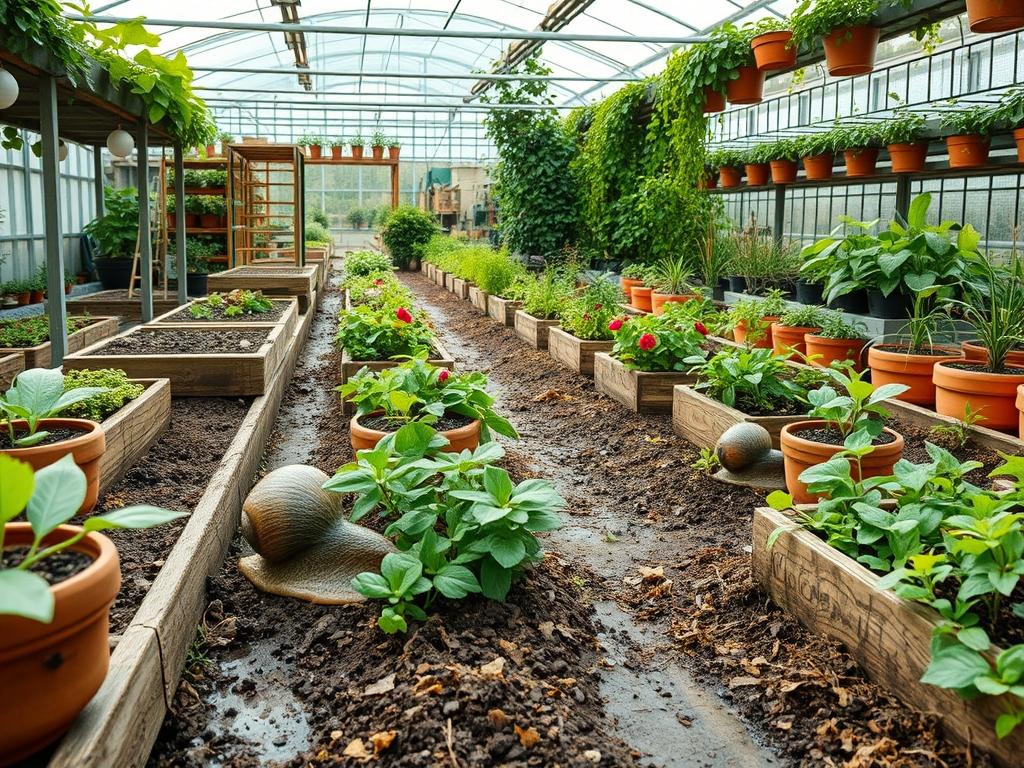
Managing a high-end landscape requires a perspective that balances botanical luxury with biological management. When we design for curb appeal, we often inadvertently create the perfect environment for gastropods. These creatures, while a natural part of the ecosystem, can quickly dismantle a sophisticated aesthetic by skeletonizing prized foliage and leaving unsightly trails on expensive hardscaping. From a landscape architect’s viewpoint, the goal is to integrate pest management into the very fabric of the outdoor environment. This means considering how elevation, drainage, and material selection influence the movement of pests. Natural snail traps aren’t merely reactive tools; they are strategic interventions that use backyard resources to maintain the integrity of our design vision. By utilizing organic waste and physical barriers, we can protect the investment made in high-value specimens while keeping the outdoor living space functional and chemical-free.
Landscape Design Principles
Symmetry and balance are the foundations of any visually impactful garden. However, thick, symmetrical border plantings like Hostas or Agapanthus often create the damp, shaded microclimates where snails thrive. To counter this, a professional designer looks at elevation layers. By varying the height of planting beds and using Retaining walls or Raised planters, we can create physical tiers that are easier to monitor. This layered approach also assists with irrigation planning. Over-saturation is the primary attractant for snails; therefore, a well-planned landscape must include a 2% Grading slope to ensure water moves away from the foundation and does not pool in low spots.
Focal points should be placed with maintenance in mind. If a large Stone sculpture or a heavy Glazed ceramic pot is positioned directly in a moist zone, it becomes a sanctuary for snails during the heat of the day. We can mitigate this by surrounding these focal points with a wide border of Crushed gravel or Lava rock. These textures are abrasive to common garden snails, forcing them to find alternative routes. In terms of walkways, using Permeable pavers allows for better moisture management than solid concrete, reducing the surface humidity that encourages nocturnal movement. Visual balance is maintained not through chemical intervention, but through a calculated arrangement of plants and materials that works against the natural preferences of the pest.
Plant and Material Selection
Selecting the right flora is essential for minimizing pest impact. Certain plants are naturally resistant to snails due to their texture, scent, or chemical makeup. Below is a professional selection of plants and materials often utilized in high-performance landscapes to manage moisture and deter pests.
| Plant Type | Sun Exposure | Soil Needs | Water Demand | Growth Speed | Maintenance Level |
| :— | :— | :— | :— | :— | :— |
| Lavandula angustifolia | Full Sun | Well-drained | Low | Moderate | Low |
| Rosmarinus officinalis | Full Sun | Sandy/Loamy | Very Low | Moderate | Minimal |
| Euphorbia | Full to Part Sun | Well-drained | Moderate | Fast | Low |
| Salvia nemorosa | Full Sun | Rich/Drained | Moderate | Fast | Moderate |
| Heuchera | Part Shade | Organic/Moist | Moderate | Slow | Low |
| Gravel/River Rock | N/A | Sub-base | None | N/A | Minimal |
| Wood Mulch | N/A | Surface | N/A | N/A | Seasonal |
Implementation Strategy
Planning a backyard layout requires more than just aesthetic intuition; it demands a technical understanding of the site’s topography. The first step in any implementation strategy is proper site grading. Using a Laser level, ensure the ground slopes away from key planting zones. Once the grade is established, the installation of Steel edging provides a clean, crisp line between the turf and the garden beds. This edging can also serve as a mounting point for Copper tape, which is a highly effective natural snail deterrent due to the small electrical charge it generates in contact with snail mucus.
When it comes to the beds themselves, the depth of the mulch is critical. A layer of 3 inches of Cedar mulch is generally recommended. Cedar contains natural oils that repel many insects and gastropods. Within these beds, we can conceal natural snail traps to manage the remaining population. One of the most effective backyard resources is the grapefruit or orange half. After consuming the fruit, place the hollowed-out rinds upside down near vulnerable plants like Delphiniums. The rinds provide a cool, damp moisture trap that will be filled with snails by morning. Simply collect the rinds and relocate the occupants.
Another professional trick involves the use of Burlap sacks. A damp burlap sack laid flat on the soil overnight creates an irresistible hiding spot. In the morning, you can flip the sack and remove the snails. For larger designs where traps might be unsightly, integrate them near the base of Evergreen shrubs or underneath Decking where they are hidden from view but remain accessible for maintenance. Hardscaping should also be designed with drainage in mind. Use a French drain system in areas prone to standing water to eliminate the primary breeding grounds for pests.
Common Landscaping Failures
The most frequent failure in residential landscaping is improper irrigation timing and distribution. Many homeowners set their Automatic sprinklers for late evening. This leaves the foliage damp throughout the night, which is peak activity time for snails. A consultant will always recommend early morning irrigation, allowing the sun to dry the leaves and surface soil. Over-crowding is another professional pitfall. When plants are installed too close together to achieve an instant “full” look, it restricts airflow and creates a humid canopy. Proper spacing, as determined by the plant’s mature width, is vital for long-term health.
Soil compaction is often overlooked. When soil becomes densely packed, water cannot penetrate the surface, leading to puddles and runoff. This standing water is a magnet for pests. Incorporating Organic compost or Aeratation techniques can resolve this. Furthermore, many people use improper mulch materials. Finely shredded materials can mat together, holding too much moisture against the stems of plants, which invites rot and snail damage. Finally, a failure to plan for drainage near Retaining walls can lead to hydrostatic pressure buildup and increased pest presence within the cracks of the wall.
Seasonal Maintenance
Landscape management is a year-round commitment. In the spring, as the temperature rises and moisture increases, it is time to deploy your first round of traps. Focus on Hostas and Seedlings. Check your Copper barriers for oxidation and clean them with a vinegar solution to maintain their effectiveness.
During the summer, the focus shifts to moisture control. Prune low-hanging branches of Shrubs that touch the ground, as these create bridges for snails to bypass ground traps. Ensure your Drip irrigation emitters are functioning correctly and not leaking, as a slow leak can create a localized infestation hotspot.
Autumn is the season for sanitation. Clear away fallen leaves and decaying organic matter, which serve as overwintering sites for snail eggs. If you are using Sun-ripened vegetables or Melon rinds as traps, this is the time to be most diligent. By capturing the adults before they can lay eggs for the following year, you drastically reduce the spring population.
In the winter, inspect your hardscaping for cracks and refuges. If you have Stacked stone walls, consider using a Wire brush to clean out any debris. While the snails are less active, the preparation work you do now will determine the success of next year’s growth cycle.
Professional Landscaping FAQ
How can I hide snail traps without ruining my garden’s aesthetic?
Utilize hollowed-out Citrus rinds or Cantaloupe skins tucked behind large-leafed plants or under low-growing Groundcover. These organic traps blend into the mulch and can be easily discarded and replaced during your routine morning walkthrough.
What is the best mulch to prevent snail infestations?
A coarse-textured mulch, such as Pine bark nuggets or Lava rock, is superior to fine mulch. The rough edges make it difficult for snails to travel, while also providing better aeration and reducing the surface humidity they require.
Is copper tape truly effective for protecting large planters?
Yes, when applied correctly around the entire circumference of a Terracotta pot or Wooden planter. Ensure there are no overhanging leaves providing a bridge over the Copper tape, as snails will bypass the barrier if a shortcut exists.
How do I adjust my irrigation to discourage pests?
Configure your Smart controller to water early in the dawn hours. This ensures that the landscape is hydrated, but the surface moisture evaporates quickly once the sun rises, removing the damp conditions that gastropods need to survive.
Can I use backyard stones to create a natural barrier?
Creating a decorative border of Crushed oyster shells or Diatomaceous earth around sensitive zones is highly effective. These sharp materials act as a physical deterrent that is aesthetically pleasing when integrated into a Modern or Zen garden design.