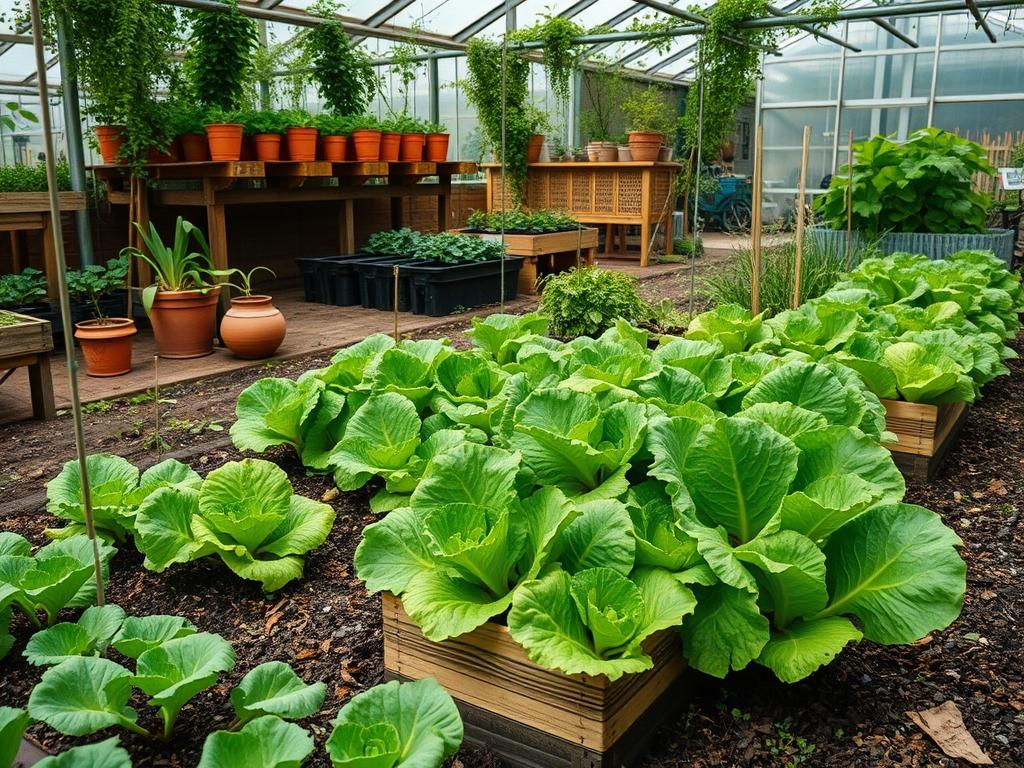
Designing a landscape that prioritizes the preservation of genetic heritage requires a sophisticated balance between aesthetic form and biological function. When the primary objective involves saving rare lettuce strains, the outdoor environment must be engineered to prevent cross-pollination while maintaining the curb appeal of a professional estate. This challenge necessitates a deep understanding of microclimates, topographical gradients, and spatial isolation. A successful plan treats the garden not merely as a decorative patch but as a controlled laboratory where wind patterns, insect behavior, and soil health are managed with precision. By integrating these rare cultivars into a master landscape design, we can achieve a functional beauty that serves the dual purpose of conservation and high-end outdoor living.
The structural layout of a seed-saving garden must account for isolation distances. While lettuce is primarily self-pollinating, occasional cross-pollination by insects can occur if varieties are placed too close together. To maintain the purity of a specific strain, a minimum distance of 12 feet to 25 feet between different flowering varieties is recommended. In a smaller residential landscape, this spatial requirement acts as a design constraint that can be solved through the strategic use of hardscaping. By placing one variety in a raised limestone planter on the north patio and another within a sunken gravel garden on the south side, the architect uses the home itself as a physical barrier. This ensures that the genetic integrity of the seeds remains intact while the plants serve as vibrant, textural elements within the broader site plan.
Landscape Design Principles
Effective landscape design for seed purity relies on the principle of rhythmic spacing and focal points. We utilize the architectural form of the lettuce plant, especially when it reaches its bolting phase, to create vertical interest. Most lettuce varieties transition from low-profile rosettes to tall, flowering stalks that can reach 3 feet or more. Instead of hiding these stalks, we frame them. By placing these tall, seed-producing plants at the center of a symmetrical parterre, they become temporary focal points that reflect a sense of intentionality rather than neglect.
Elevation layers are equally critical. We design with the topography to ensure that seed-saving beds occupy the highest drainage points. Lettuce roots are susceptible to rot in stagnant water, which can stress the plant and compromise seed quality. By using retaining walls built from natural fieldstone, we create terraced levels that allow for superior moisture control. Irrigation planning must be subterranean or ground-level; overhead sprinklers should be avoided during the flowering stage to prevent fungal issues on the delicate seed heads. A drip irrigation system installed beneath a 2-inch layer of organic mulch provides the consistent hydration needed for the long lifecycle required for seed maturation.
Walkways serve a functional role in preventing soil compaction around the delicate root systems of rare strains. We recommend flagstone paths or decomposed granite walkways at least 36 inches wide to allow for comfortable maintenance access. These paths define the boundaries of the growing zones and act as heat sinks, radiating warmth during cool spring evenings. This thermal regulation can slightly extend the growing season, a luxury that provides the extra weeks necessary for a rare strain to fully ripen its seeds before the first frost of autumn.
Plant and Material Selection
Selecting the right materials and companion species involves understanding the transition of the garden through all four seasons. The following table outlines specific varieties and their environmental requirements within a structured landscape.
| Plant Type | Sun Exposure | Soil Needs | Water Demand | Growth Speed | Maintenance Level |
| :— | :— | :— | :— | :— | :— |
| Merlot Lettuce | Full Sun | Loamy/High Organic | Moderate | Fast | Low |
| Forellenschluss | Partial Shade | Well-Drained | High | Medium | Moderate |
| French Breakfast Radish | Full Sun | Sandy/Loose | Low | Extremely Fast | Low |
| Creeping Thyme | Full Sun | Gritty/Poor | Low | Slow | Very Low |
| Flashy Trout Back | Partial Sun | Compost-Rich | Moderate | Medium | Moderate |
| Arctic King | Full Sun | Heavy/Moist | Moderate | Slow | Medium |
The use of hardwood mulch or pine straw is essential for regulating soil temperature, but it also serves an aesthetic role by providing a clean, dark backdrop that makes the lime greens and deep purples of the lettuce foliage pop. For structural support, bamboo stakes or powder-coated steel cages may be necessary when the lettuce begins to bolt. These materials should be selected to match the existing hardware of the home or the color palette of the hardscape to ensure a cohesive visual experience.
Implementation Strategy
The implementation phase begins with professional grading. The site must be sloped at a 2 percent grade away from any permanent structures to ensure proper drainage. Once the skeleton of the landscape is set, we define the beds using steel edging or pressure-treated timber. This creates a crisp line between the lush growth of the rare lettuce and the manicured lawn or gravel paths. For seed purity, we often implement a “caged” design strategy where specific beds are fitted with removable fine mesh screen covers. These structures prevent rogue pollinators from entering the space while allowing for maximum airflow and light penetration.
Beneath the soil surface, the preparation must be rigorous. We recommend a blend of 70 percent sandy loam and 30 percent mushroom compost for the top 10 inches of the planting area. This provides the nutrient density required for the plant to complete its full reproductive cycle. During installation, the use of a hand trowel is preferred over heavy machinery to minimize compaction of the subsoil. Once the rare lettuce seedlings are positioned, a 3-inch layer of mulch is applied, keeping it 2 inches away from the base of the stems to prevent crown rot.
Common Landscaping Failures
The most frequent failure in gardens dedicated to saving rare lettuce strains is the neglect of proper drainage. Many designers focus on the aesthetics of the foliage but fail to account for the percolation rates of the soil. If the site has heavy clay, the roots will suffocate during the long seed-maturation process, leading to a total loss of the genetic crop. We solve this by installing French drains or perforated pipes wrapped in filter fabric beneath the planting beds to whisk away excess rainwater.
Another common mistake is improper spacing. In a standard ornamental garden, plants are often crowded for an immediate “full” look. For seed saving, this is a fatal error. Overcrowding reduces airflow, which increases the risk of powdery mildew and botrytis. Rare lettuce varieties require at least 12 inches of space between individual plants to ensure they have the resources to produce a tall, healthy seed stalk. Additionally, irrigation inefficiencies, such as uneven water distribution, can lead to premature bolting before the plant has reached its full vegetative size, resulting in a low yield of viable seeds.
Seasonal Maintenance
Spring maintenance focuses on soil preparation and the installation of young transplants. This is the time to check the irrigation timers and ensure the drip emitters are clear of debris. As the weather warms into summer, the focus shifts to monitoring the bolting process. Landscapers should transition from high-nitrogen fertilizers to those with a higher phosphorus content to support flower development. It is crucial to monitor wind conditions during this time; a sudden summer storm can topple tall seed stalks if they are not properly supported by jute twine or support hoops.
Autumn is the season for harvesting and site cleanup. Once the seed heads have turned fluffy like a dandelion, they are gathered using pruning shears and placed in breathable cotton bags. After harvest, the spent plants are removed, and the beds are topped with a 2-inch layer of leaf mold to protect the soil over winter. Winter maintenance involves checking hardscape integrity and planning for the next season’s isolation map. This prevents the same variety from being grown in the identical spot every year, reducing the buildup of soil-borne pathogens.
Professional Landscaping FAQ
How do I prevent cross-pollination in a small backyard?
Utilize physical barriers like fine mesh cages or row covers. Alternatively, time your plantings so that only one variety of lettuce is flowering at a single time, effectively using temporal isolation to maintain the purity of your rare seeds.
What is the best mulch for a lettuce seed garden?
A clean, weed-free straw mulch or pine bark fines works best. These materials regulate moisture and temperature without compacting the soil, which is vital for the long lifecycle of a plant grown specifically for seed production.
Does bolting lettuce ruin the aesthetic of a landscape?
Not if it is planned. Bolting lettuce adds verticality and textural contrast. Frame these tall stalks with lower-profile perennials or ornamental grasses to create a tiered, intentional look that celebrates the entire life cycle of the plant.
How often should I test my soil for rare strains?
Professional architects recommend testing soil pH and nutrient levels every spring. Rare lettuce flourishes in a pH range between 6.0 and 7.0. Adjusting the soil with elemental sulfur or lime ensures the plant has optimal health for seed vigor.
Can I grow rare lettuce in containers for seed saving?
Yes, large ceramic pots or cedar planter boxes are excellent for isolation. Ensure the containers are at least 12 inches deep to accommodate the taproot and use a high-quality potting mix amended with perlite for maximum drainage.