
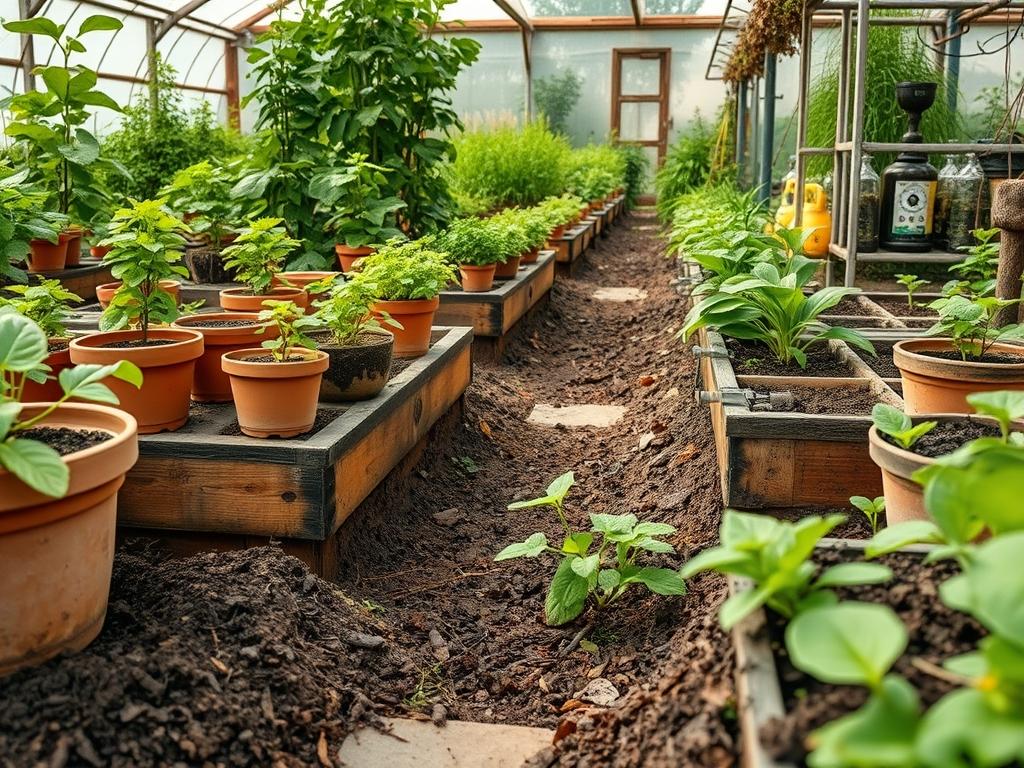
The foundation of a high performance landscape is rarely found in the visible blooms or the sharp lines of a stone walkway; rather, it exists within the complex biological network of the soil. For many homeowners and commercial property managers, the sudden appearance of skeletonized leaves or patches of dying turf represents a failure of maintenance. In reality, these are symptoms of a deeper ecological imbalance. Natural beetle control is not a matter of reactive chemical applications. It is a proactive strategy rooted in soil health. When we design outdoor environments, we must consider the subterranean environment as the primary engine for curb appeal and plant longevity. A landscape that lacks microbial diversity becomes a playground for pests like Japanese beetles and June bugs. By fostering a vigorous soil food web, we create an environment where natural predators thrive and plants develop the systemic strength to survive seasonal insect pressures.
Successful landscape architecture balances aesthetic goals with functional site requirements. This requires an understanding of how elevation, water movement, and plant placement interact to create a resilient ecosystem. Proper site planning ensures that the outdoor space serves as an extension of the living area while maintaining a low impact on the local environment. When a designer prioritizes healthy soil biology, they are essentially installing a living immune system for the garden. This reduces the need for synthetic interventions and ensures that the landscape remains lush and inviting throughout the growing season.
Landscape Design Principles
The structural integrity of a garden depends on foundational design principles that guide the eye and manage the site’s physical constraints. Symmetry and visual balance are achieved by mirroring weights and textures across a central axis, though asymmetrical balance can be equally effective in modern, organic designs. Focal points, such as a Specimen Tree or a custom Retaining Wall, provide the eye with a place to rest, preventing the landscape from feeling cluttered or chaotic. These focal points should be supported by elevation layers, starting with groundcovers and graduating to mid-story shrubs and an overstory canopy. This vertical layering mimics natural forest edges, which are inherently more resistant to beetle infestations than monoculture lawns.
Irrigation planning is another critical pillar of design. Modern systems must move beyond simple timers to include soil moisture sensors and drip lines that deliver water directly to the root zone. Excessive surface moisture can attract adult beetles looking for soft ground to deposit eggs, while underwatering stresses plants and makes them vulnerable to feeding damage. Walkways and hardscapes should be integrated with the soil’s natural grade to prevent runoff. By using permeable materials, we allow water to infiltrate the ground, replenishing the local water table and keeping beneficial soil microbes hydrated and active. Visual balance is finally achieved through the thoughtful repetition of colors and textures, ensuring the garden feels like a cohesive unit rather than a collection of disparate parts.
Plant and Material Selection
Selecting the right plant for the right place is the most effective way to reduce maintenance costs and pest problems. The following table identifies species that contribute to a resilient landscape while thriving in specific environmental conditions.
| Plant Type | Sun Exposure | Soil Needs | Water Demand | Growth Speed | Maintenance Level |
| :— | :— | :— | :— | :— | :— |
| Nepeta (Catmint) | Full Sun | Well-Drained | Low | Fast | Low |
| Echinacea (Coneflower) | Full Sun | Lean/Average | Moderate | Medium | Low |
| Panicum virgatum (Switchgrass) | Full/Part Sun | Various | Low to Moderate | Fast | Very Low |
| Quercus palustris (Pin Oak) | Full Sun | Acidic/Moist | Moderate | Medium | Medium |
| Buxus (Boxwood) | Part Shade | Rich/Loamy | Moderate | Slow | Medium |
| Achillea (Yarrow) | Full Sun | Poor to Average | Very Low | Fast | Low |
Using a variety of Native Plants is essential for natural beetle control. Native species have co-evolved with local insect populations and often possess natural defenses that exotic species lack. Furthermore, incorporating aromatic herbs like Salvia or Allium can mask the scent of host plants, making it harder for beetles to find their targets. When selecting materials, prioritize high quality organic matter such as Leaf Mold or Compost over synthetic fertilizers, as the latter can kill the very soil fungi and bacteria that protect roots from beetle larvae.
Implementation Strategy
The transition from a design concept to a finished landscape requires a disciplined implementation strategy. The process begins with professional grading to ensure that water moves away from building foundations and into designated drainage areas or rain gardens. Once the grade is established, the site should be marked for hardscaping and planting beds. Edging is a vital step that prevents grass from encroaching into the soil of the garden beds, which can compete with ornamental plants for nutrients. Use a Manual Edger or a Power Bed Edger to create a clean, 4-inch deep trench between the turf and the planting area.
Before the plants go into the ground, soil amendments should be incorporated based on a laboratory soil test. If the soil is compacted, a Broadfork or Core Aerator should be used to improve oxygen penetration without destroying the soil’s structure. When planting, the hole should be twice as wide as the root ball but no deeper, ensuring the crown of the plant sits slightly above the soil line to prevent rot. After the plants are set, apply a 3-inch layer of Double-Shredded Hardwood Mulch. This mulch depth is critical; it is thick enough to suppress weeds and retain moisture, but thin enough to allow for gas exchange. Effective drainage may also involve the installation of French drains or catch basins in low lying areas where water tends to pool, as stagnant water is a primary driver of soil biology collapse.
Common Landscaping Failures
Many homeowners face recurring beetle infestations because of fundamental landscaping failures. One of the most common issues is soil compaction. In high traffic areas, the soil particles are pressed together, eliminating the air pockets necessary for beneficial nematodes and fungi to survive. Without these natural predators, beetle larvae (grubs) can multiply unchecked. Another frequent mistake is root overcrowding. When plants are spaced too closely, they compete for limited resources, leading to physiological stress that sends out chemical signals to beetles, effectively “inviting” them to feed.
Improper drainage is equally destructive. Soil that remains saturated for extended periods becomes anaerobic, killing the aerobic microbes that facilitate nutrient uptake. Conversely, irrigation inefficiencies, such as watering for short durations every day, encourage shallow root systems that cannot withstand the heat of summer. Finally, the over-reliance on high nitrogen fast release fertilizers creates a flush of weak, succulent growth that is highly attractive to adult beetles. A professional approach favors slow release organic nutrients that build long term plant health and soil structure.
Seasonal Maintenance
Landscape management is a year round commitment that changes with the cycles of the environment. In the spring, the focus should be on clean up and preparation. Remove dead perennial stalks and apply a fresh layer of Compost Tea to jumpstart the microbial activity in the soil. This is also the ideal time to apply Beneficial Nematodes if there was a history of beetle problems the previous year, as the soil is moist and the larvae are moving toward the surface.
Summer maintenance involves vigilant monitoring and precise irrigation. During periods of drought, deep watering sessions once or twice a week are more effective than frequent light misting. Deadheading spent flowers can encourage a second flush of growth and keep the garden looking tidy. As autumn arrives, the strategy shifts to protection. Fall is the best time for core aeration of the lawn, which disrupts the life cycle of overwintering beetle larvae and improves soil oxygenation. Instead of raking away every leaf, consider shredding them with a Mulching Mower to return nutrients to the soil. In winter, maintenance is largely structural. Prune deciduous trees while they are dormant to remove crossing or diseased branches, and check that winter protective Mulch has not shifted away from sensitive root zones.
Professional Landscaping FAQ
How does soil chemistry affect beetle populations?
High nitrogen levels create soft, sugary plant tissue that attracts beetles. Maintaining a balanced pH and high organic matter content encourages beneficial soil organisms that naturally regulate the population of beetle larvae before they emerge.
What is the most effective way to improve drainage?
Proper grading is the first defense. If water still pools, installing a French drain or a dry creek bed with River Rock can redirect excess moisture toward a rain garden or drainage easement, protecting soil health.
Can mulch depth really prevent pests?
Yes, a consistent 3-inch layer of organic mulch acts as a physical barrier and helps maintain the stable soil temperatures required for predatory insects. However, over-mulching can suffocate roots and create moisture traps that attract rot.
What are the best tools for soil preparation?
A Soil Probe is essential for testing moisture and compaction. For larger installations, a Rototiller may be used sparingly, though a Broadfork is preferred to preserve the existing fungal networks and soil horizons.
Why are native plants better for pest control?
Native Plants support a diverse population of local beneficial insects, including parasitic wasps and birds that prey on beetles. They are also better adapted to local soil conditions, requiring less supplemental irrigation and fertilization.