
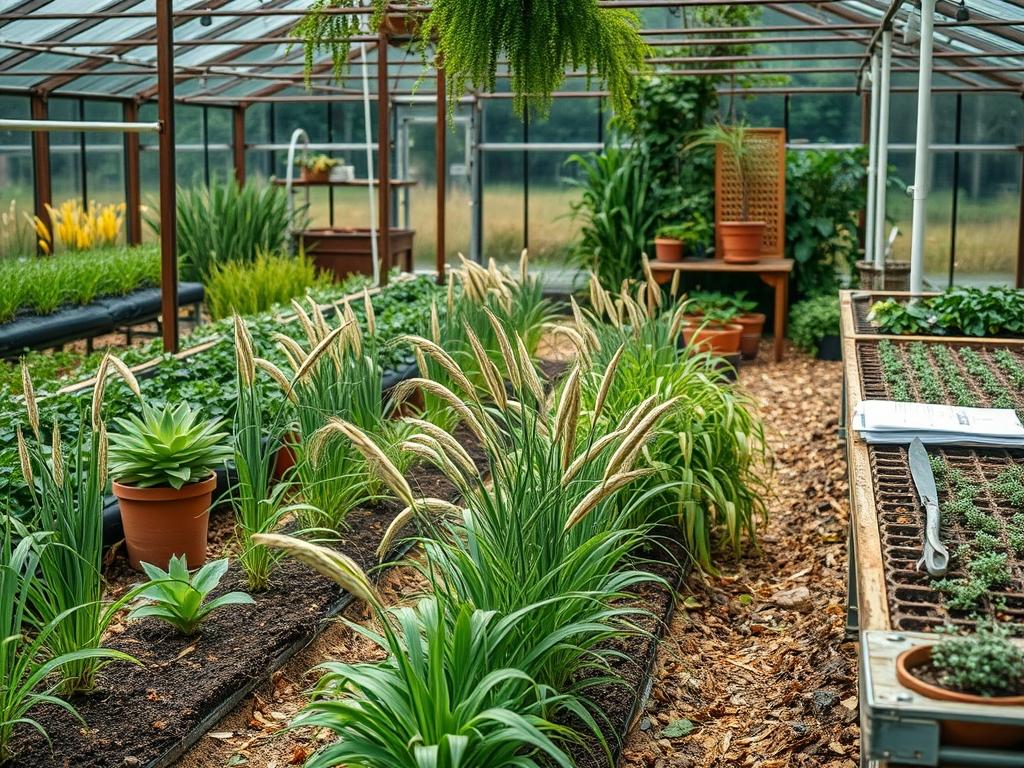
Integrating agricultural heritage into a modern residential landscape requires a delicate balance between utilitarian performance and aesthetic sophistication. As a landscape architect, I often encounter clients who wish to revive historical crafts such as fiber production while maintaining the curb appeal and functionality of a high end outdoor living space. The process of Traditional Flax Retting stands at the intersection of these goals. Retting is the essential stage where the pectins binding flax fibers to the woody stalk are broken down, and the choice between pond and dew methods dictates not only the quality of the fiber but also the structural requirements of your garden. A landscape designed for flax must account for specific drainage patterns, soil composition, and spatial layouts that allow for both the growth and the post harvest processing of the plant. By viewing the retting process as a functional extension of the garden, we can design outdoor environments that are both productive and visually striking.
The landscape challenges associated with Traditional Flax Retting are primarily centered on water management and site transition. Pond retting requires a controlled water body, often a constructed reflection pool or a naturalistic pond, while dew retting necessitates a flat, well drained meadow or lawn area. Climate considerations play a massive role here; humid regions may favor dew retting due to consistent morning moisture, whereas arid environments might require a dedicated water installation. When we plan these spaces, we must consider how a retting site impacts the overall flow of the yard. A stagnant retting pond can become a focal point or a maintenance liability depending on the filtration and circulation systems installed. Conversely, a dew retting field must be integrated into the lawn in a way that does not interrupt the symmetry of the broader landscape. Our goal is to create an outdoor environment where the transition from a flowering blue flax field to a curing retting site feels intentional and seasonally appropriate.
Landscape Design Principles
Successful garden planning for flax production relies on the principle of multifunctional zoning. Symmetry serves as a foundational element because it allows the utilitarian retting zones to look like formal garden features. For instance, creating a central axis with a stone walkway centered between two flax plots provides a sense of order. This visual balance ensures that when the stalks are laid out for dew retting, they appear as a golden textured carpet within a framed border rather than neglected yard waste. Focal points are equally important. A custom fountain or stone basin can serve as a pond retting station during the harvest season while functioning as a decorative water feature for the rest of the year. This dual use maximizes the return on investment for the homeowner.
Elevation layers are critical for the drainage needs of both the plant and the process. Flax, scientifically known as Linum usitatissimum, thrives in well drained soil, so raised beds or sloped grading are often necessary. In a pond retting scenario, placing the water source at a higher elevation than the drainage field allows for gravity fed flushing, which prevents the water from becoming overly foul during the anaerobic fermentation process. Furthermore, the inclusion of retaining walls built from natural limestone can help define these elevation changes, providing structural support while adding a timeless material quality to the site. Irrigation planning must be precise, using drip emitters for the growing phase to avoid fungal issues, while ensuring the retting area has access to high volume water for the immersion phase.
Plant and Material Selection
| Plant Type | Sun Exposure | Soil Needs | Water Demand | Growth Speed | Maintenance Level |
| :— | :— | :— | :— | :— | :— |
| Common Flax | Full Sun | Loamy/Silty | Moderate | Fast | Medium |
| English Lavender | Full Sun | Sandy/Low Fertility | Low | Moderate | Low |
| Creeping Thyme | Full Sun | Well Drained | Low | Fast | Low |
| River Birch | Sun to Part Shade | Moist/Clay | High | Fast | Medium |
| Siberian Iris | Full Sun to Part Shade | Rich/Moist | Moderate | Moderate | Low |
| Hardy Hibiscus | Full Sun | Wet/Marshy | High | Fast | Medium |
Implementation Strategy
The implementation of a fiber centric landscape begins with site grading and soil preparation. For dew retting, the landscape architect must ensure a perfectly level area of short mown grass or decomposed granite. Any standing water in this zone will cause the flax to rot unevenly, ruining the fiber. We typically specify a 2 percent slope away from the primary residence to manage runoff. Edging is another vital component; using steel benders board or cobblestone borders keeps the retting area distinct from flanking ornamental beds. This prevents mulch or soil from contaminating the flax stalks while they cure on the ground.
Once the grading is established, the focus shifts to hardscaping and irrigation. For pond retting, we recommend a concrete cistern or a high density polyethylene liner topped with river rocks to create a naturalistic look. The retting vessel should be at least 3 feet deep to ensure full submergence of the flax bundles. To handle the byproduct of the retting process, a specialized drainage field filled with 3/4 inch clean gravel should be installed nearby. This allows the nutrient rich water to filter back into the earth without oversaturating the surrounding plants. Finally, applying a 3 inch layer of organic cedar mulch to the transition zones helps suppress weeds and maintains moisture levels in the soil for the surrounding ornamental species.
Common Landscaping Failures
One of the most frequent mistakes in planning for Traditional Flax Retting is poor drainage design. If the area designated for dew retting does not have a robust sub base of porous soil or sand, the flax will absorb too much moisture from the earth, leading to mold. Similarly, in pond retting, failing to install a proper circulation pump can lead to anaerobic conditions that produce unpleasant odors, impacting the comfort of the outdoor living area. Root overcrowding is another issue; planting large trees like weeping willows too close to the retting pond can result in root intrusion into the plumbing or liner, causing costly leaks and structural damage to the retaining walls.
Soil compaction is often overlooked during the construction phase. Heavy machinery used to install hardscaping can compress the soil so severely that it prevents the flax from developing the deep taproots necessary for strong fibers. We combat this by using aerification tools and tilling in organic compost before the initial planting. Irrigation inefficiencies also pose a threat. Overwatering the flax during its final growth stage can weaken the stalks, while underwatering the retting pond leads to high concentrations of bacteria that can degrade the fiber quality too quickly. Precision is required to maintain the delicate ecological balance of the site.
Seasonal Maintenance
Landscape management for a flax focused garden changes significantly with the seasons. In the spring, the priority is soil preparation and the installation of 6 inch weed barriers around the perimeter of the planting beds. This is the time to check the irrigation controllers and ensure all drip lines are clear of debris. Summer is the peak of the growing and retting season. During this time, the pond retting water must be monitored for pH levels, and the dew retting meadow must be kept mown to a height of exactly 2 inches to provide the ideal surface for the harvested stalks.
As autumn approaches, the landscape architect focuses on soil replenishment. After the flax is cleared, the beds should be planted with a cover crop or treated with a slow release fertilizer to restore nitrogen levels. This transition period is also the best time for hardscape repairs, such as re pointing stone walkways or cleaning out drainage pipes. In the winter, the focus shifts to structural maintenance. Protecting the water features from freezing and ensuring that the retaining walls are not suffering from frost heave are the primary goals. By following this seasonal cadence, the landscape remains a high performing asset year round.
Professional Landscaping FAQ
Which retting method is better for a small backyard landscape?
Dew retting is generally better for smaller spaces because it utilizes existing lawn areas. It does not require a permanent water installation, making it easier to integrate into a standard residential backyard without significant structural changes or plumbing.
How do I prevent my retting pond from smelling?
Effective odor control requires consistent water circulation and a dedicated filtration system. By incorporating an aerator and ensuring the pond is situated in a well ventilated area of the garden, you can minimize the byproduct scents of anaerobic fermentation.
What is the best material for a retting pond liner?
For a professional grade installation, a 45 mil EPDM rubber liner is the preferred choice. It offers the durability needed to withstand the chemical changes in the water during retting while remaining flexible enough for custom pond shapes.
Can I use the same area for flax growth and dew retting?
Yes, but the soil must be prepared carefully. Once the flax is harvested by pulling it from the roots, the ground should be leveled and cleared of debris to create a clean surface for the stalks to lay upon.
How does elevation impact the retting process?
Higher elevation spots often have better airflow, which is critical for dew retting to prevent rot. For pond retting, elevation allows you to use gravity for drainage, simplifying the process of emptying and refilling the retting vessel.