
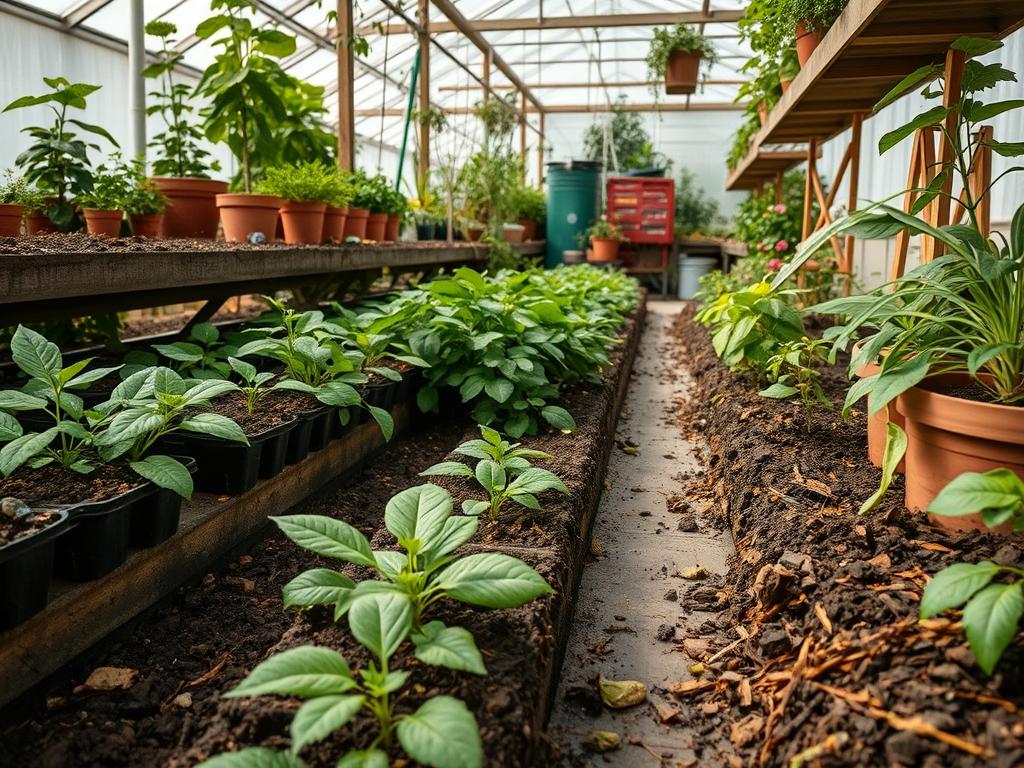
Designing a landscape that prioritizes Native Butterfly Larvae represents a sophisticated shift from purely ornamental horticulture to functional ecology. Professional property owners often view caterpillars as pests, yet their presence is the primary indicator of a healthy and high yield environment. Yield in a modern landscape is not limited to a vegetable patch; it encompasses the reproductive vigor of fruiting trees, the resilience of flowering perennials, and the overall biomass stability of the site. Landscapes that lack these specific inhabitants often suffer from stagnant growth and poor pollination rates. To achieve a powerful balance between superior curb appeal and ecological productivity, the architect must consider the microclimates necessary for egg laying and larval development. This involves more than just selecting nectar sources for adult insects. It requires a structural commitment to host plants that can withstand being consumed for the greater good of the garden biome. A successful design ensures that the transition between the wilder, host-heavy zones and the formal living areas is seamless and intentional.
Landscape Design Principles
Symmetry and structure are essential in a habitat-focused garden to signal to neighbors and visitors that the space is being managed with intent rather than neglect. By utilizing Geometric Boxwood Hedges or Corten Steel Edging, a designer can frame the seemingly chaotic growth of host plants like Asclepias or Zizia. This creates a “frame of neatness” that allows the wilder larval host plants to sit comfortably within a high-end residential context. Focal points should be selected based on their dual-purpose utility. For example, a majestic Quercus alba (White Oak) serves as a monumental shade tree and a visual anchor while supporting over five hundred species of Lepidoptera.
Elevation layers are critical for the survival of Native Butterfly Larvae. A professional plan should include an overstory of hardwood trees, an understory of flowering shrubs, and a ground layer of herbaceous perennials and grasses. This verticality provides various temperature gradients and protection from avian predators. Irrigation planning must be precise; larval host plants often have different moisture requirements than standard turfgrass. Utilizing Pressure-Compensating Drip Tubing ensures that sensitive host plants receive deep hydration without wetting the foliage, which can lead to fungal pathogens that harm young larvae. Furthermore, the inclusion of Natural Stone Walkways provides necessary thermal mass, allowing larvae to regulate their body temperature during the cooler morning hours.
Plant and Material Selection
| Plant Type | Sun Exposure | Soil Needs | Water Demand | Growth Speed | Maintenance Level |
| :— | :— | :— | :— | :— | :— |
| Quercus alba | Full Sun | Deep/Acidic | Medium | Slow | Low |
| Asclepias incarnata | Full Sun | Moist/Clay | High | Fast | Moderate |
| Lindera benzoin | Part Shade | Rich/Humus | Medium | Moderate | Low |
| Zizia aurea | Full Sun/Part | Well-drained | Medium | Moderate | Low |
| Aristolochia macrophylla | Part Shade | Rich/Moist | Medium | Fast | High |
| Prunus serotina | Full Sun | Loamy/Sandy | Medium | Fast | Moderate |
| Salix nigra | Full Sun | Wet/Alluvial | High | Very Fast | High |
The selection of materials should complement the organic nature of the plantings. Use Shredded Hardwood Mulch at a depth of 3 inches to suppress weeds and retain moisture, but ensure it is not dyed with chemicals that could be toxic to ground-dwelling larvae. For hardscaping, Permeable Pavers are preferred to allow for groundwater recharge, keeping the root zones of critical host trees hydrated during periods of drought.
Implementation Strategy
The implementation of a larval-centered landscape begins with a comprehensive site analysis focusing on Grading and Drainage. A property must be graded to a 2 percent slope away from the foundation to prevent water from pooling, which can drown species that pupate in the soil. Once the grading is established, the soil should be amended based on a professional Soil Texture Analysis. Avoid high-nitrogen synthetic fertilizers; these can cause a flush of weak, succulent growth that is less nutritious for larvae and more attractive to sap-sucking pests like aphids.
When laying out the garden, use Surveyor Stakes and Landscaping Spray Paint to mark the beds according to the architectural plan. Install Steel Edging at a depth of 4 inches to create a clean break between the lawn and the host plant beds. Planting should occur in “drifts” rather than as isolated individuals. For instance, planting at least 5 to 7 specimens of Asclepias syriaca in a cluster ensures that a single monarch larva has enough biomass to reach pupation without needing to travel across open, unprotected ground. After planting, install a Smart Irrigation Controller with a rain sensor to manage the Gallons Per Hour delivered to each zone. Finally, apply a layer of Arborist Wood Chips around the base of large trees to create a “soft landing” for larvae that drop to the ground to form their cocoons in the leaf litter.
Common Landscaping Failures
One of the most frequent failures in residential landscaping is the over-clearing of “debris.” Many Native Butterfly Larvae rely on the duff layer for insulation and protection. When a landscape crew removes every fallen leaf and twig, they are effectively removing the next generation of pollinators. This leads to a collapse in yield for fruit-bearing plants in the following season. Soil compaction is Another significant issue. High foot traffic or heavy machinery during construction can crush the soil structure, reducing the Pore Space necessary for oxygen exchange. This stunts the growth of host plants and prevents larvae from burrowing into the earth.
Improper spacing is a technical error that affects both aesthetics and health. When plants are crowded, air circulation is restricted, leading to powdery mildew. Conversely, spacing plants too far apart leaves larvae exposed to desiccation and predation. Another critical mistake is the misuse of “systemic” insecticides. These chemicals are absorbed by the plant tissues, making the entire plant toxic to the very larvae the designer intends to support. Even if the insecticide is applied to a nearby lawn, drift and runoff can contaminate the host plants through the root system.
Seasonal Maintenance
Spring maintenance should focus on conservative cleanup. Wait until temperatures are consistently above 50 degrees Fahrenheit before removing old stalks, as many species over-winter inside hollow stems or attached to dead foliage. This is also the time to check the Irrigation Backflow Preventer and ensure the emitters are not clogged with silt.
During the summer, the priority is moisture management and monitoring. Use a TDR Moisture Meter to ensure the soil at a depth of 6 inches remains consistently damp for thirsty host plants like Salix. Do not be alarmed by “defoliation” on host plants; this is the intended result. A healthy landscape plan should account for this by placing host plants behind ornamental, non-host “skirt” plants that hide the chewed leaves.
Fall is for “planting for the future” and leaf management. Instead of bagging leaves, mulch them into the beds or leave them whole in designated “wild zones.” This preserves the larvae of species like the Luna Moth. Winter maintenance involves protecting the structural integrity of the garden. Avoid using rock salt for de-icing near garden beds, as the sodium buildup can be lethal to the soil biology and the dormant larvae. Use Calcium Magnesium Acetate as a safer alternative for walkways.
Professional Landscaping FAQ
How do I handle the “messy” look of chewed leaves?
Integrate host plants into the middle of your beds. Surround them with taller, structural perennials or ornamental grasses. This visual layering obscures the skeletal remains of the foliage while allowing the larvae to feed undisturbed in a protected microclimate.
Will these plants attract unwanted pests to my home?
Most butterfly host plants are highly specialized. The insects they attract are not interested in entering your home or damaging your structure. By increasing biodiversity, you actually attract predatory insects like ladybugs and lacewings that keep common house pests in check.
Does a larval-friendly garden require more water?
Not necessarily. By choosing native species adapted to your specific USDA Hardiness Zone, the plants will have deep root systems. Effective use of Shredded Hardwood Mulch and Drip Irrigation significantly reduces overall water waste compared to a traditional turf-heavy landscape.
Can I still have a manicured lawn?
Yes. Use the lawn as a functional “green rug” for pathways and seating areas. Small, well-maintained turf areas provide a powerful visual contrast to the lush, productive garden beds. This creates a formal aesthetic while still supporting a robust larval population.
How long before I see a change in my garden yield?
Most property owners observe an increase in bird activity and fruit set within the first full growing season. As the larval population stabilizes, the entire ecosystem becomes more efficient. You will notice fewer pest outbreaks and more vigorous growth in your flowering species.