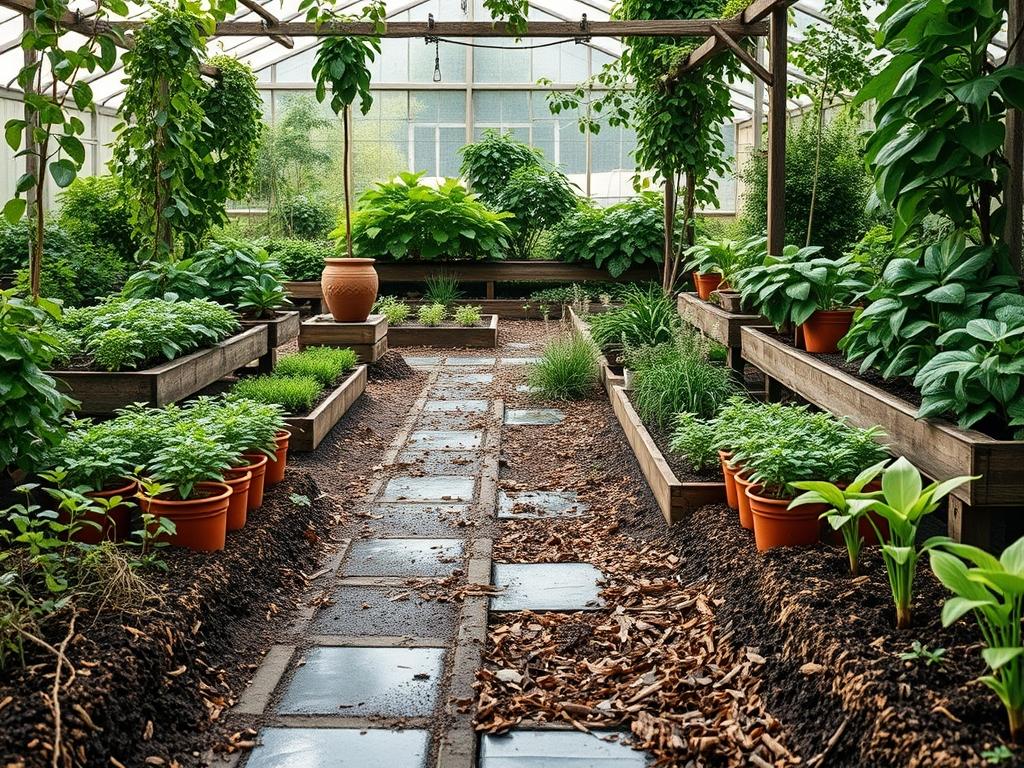
Designing a landscape usually begins with a visual site analysis, where the primary focus is on color palettes and geometric lines. However, a truly professional outdoor environment engages more than just the eyes. Designing scent gardens represents a sophisticated shift in residential architecture, where the olfactory experience becomes a structural element of the yard. When we plan these spaces, we consider the prevailing wind patterns, the proximity of high-traffic zones like entries and patios, and the thermal properties of building materials. Herbs serve as the backbone of this design strategy because they provide durable foliage, varied textures, and oil-rich leaves that release fragrance upon contact or under the heat of the sun. Proper planning increases curb appeal by creating an immersive entrance, yet the functional benefits are equally significant. A well-placed herb garden can act as a natural pest repellent, a kitchen resource, and a therapeutic retreat.
Climate considerations are the first hurdle in any professional landscape project. Most fragrant herbs, particularly those of Mediterranean origin, require specific microclimates to thrive. In regions with high humidity, airflow becomes a critical design variable to prevent fungal issues. In arid zones, we focus on the strategic use of retaining walls and mulch to preserve root moisture. By understanding the USDA hardiness zones and local soil compositions, a consultant can transform a stagnant backyard into a dynamic ecosystem. This process is not merely about planting; it is about engineering a living environment that responds to the seasons while maintaining structural integrity and aesthetic balance.
Landscape Design Principles
Symmetry and focal points dictate how a visitor moves through a space. In a scent-focused garden, we use “scent bridges,” which are collections of aromatic plants placed at key transition points like gates or the foot of a staircase. Symmetry does not always mean a mirror image; rather, it refers to the balance of visual weight. For instance, a large Rosemary bush on the left can be balanced by a group of three smaller Lavender plants on the right. This creates a sense of order that calms the viewer even before they detect the fragrance.
Elevation layers are essential for maximizing the reach of scent. We utilize a tiered approach, placing low-growing groundcovers like Creeping Thyme between permeable pavers or stone walkways. As guests walk, their footsteps bruise the leaves, releasing oils. The middle layer consists of mounded herbs like Sage or French Lavender, which sit at knee height. The highest layer involves verticality, using trellises for climbing scented vines or tall woody herbs like Bay Laurel. This verticality ensures that scent molecules, which vary in weight, are present at every breathing level.
Irrigation planning must be integrated into the initial design phase to avoid the aesthetic ruin of surface-level hoses. We typically recommend Drip Irrigation systems buried under 3 inches of mulch. This delivers water directly to the root zone, reducing evaporation and keeping the foliage dry. Dry foliage is particularly important for herbs, as many aromatic species are susceptible to leaf rot if overhead watering is used. Additionally, the placement of French drains or subtle grading ensures that water moves away from the foundation of the home, protecting the structural integrity of the property while catering to the drainage needs of the plants.
Plant and Material Selection
| Plant Type | Sun Exposure | Soil Needs | Water Demand | Growth Speed | Maintenance Level |
| :— | :— | :— | :— | :— | :— |
| English Lavender | Full Sun | Well-drained / Sandy | Low | Moderate | Low |
| Creeping Thyme | Full to Partial Sun | Gritty / Poor soil | Moderate | Fast | Low |
| Rosemary | Full Sun | Loamy / Well-drained | Very Low | Slow | Low |
| Lemon Verbena | Full Sun | Rich / Loamy | Medium | Fast | Medium |
| Peppermint | Partial Shade | Moist / Organic | High | Very Fast | High |
| Sweet Basil | Full Sun | Nitrogen-rich | Medium | Fast | Medium |
| Greek Oregano | Full Sun | Rocky / Dry | Low | Moderate | Low |
Implementation Strategy
The implementation of a scent garden begins with a comprehensive site grading plan. Most aromatic herbs despise “wet feet,” meaning the soil must allow water to move quickly through the profile. If the site is flat or occupies a low-lying area, we build raised beds or use retaining walls to create the necessary 12 to 18 inches of vertical drainage space. Once the levels are established, we mark out the walkways. Paths should be at least 36 inches wide to allow for comfortable movement, with “scent pockets” located at turns or seating areas.
Edging is the next step. We use steel edging or stone borders to define the transition between the garden beds and the turf or hardscape. This prevents invasive herbs like Mint from escaping their designated zones. For soil preparation, we incorporate organic compost into the top 6 inches of the native soil, though we avoid over-fertilizing Mediterranean species, as too much nitrogen can lead to lush growth with very little aromatic oil production.
When planting, we follow a specific sequence. Larger woody shrubs are placed first to establish the structural “bones” of the garden. We then infill with smaller perennials and annuals. After the plants are in the ground, we apply a 2 inch layer of shredded cedar mulch or pea gravel. Pea gravel is often superior for scent gardens because it reflects heat back up into the plants, which helps volatile oils evaporate into the air, intensifying the fragrance. Finally, we install the irrigation timer, setting it to run in the early morning hours to minimize water loss.
Common Landscaping Failures
One of the most frequent mistakes in professional landscaping is improper spacing. A Lavender plant may look small in a 1 gallon nursery pot, but in three years, it can reach a diameter of 3 feet. Overcrowded plants compete for nutrients and, more importantly, lose the airflow necessary to prevent mildew. We always design with the “mature width” in mind, leaving sufficient gaps that may look sparse initially but will fill in within two growing seasons.
Soil compaction is another silent killer. During construction, heavy machinery often packs the soil so tightly that roots cannot penetrate and water cannot drain. If the soil is compacted, we use an auger or tilling machine to break up the sub-base before planting. Furthermore, many homeowners fail to account for the aggressive nature of certain root systems. Placing a Mint variety directly into a shared bed without a root barrier or a buried pot will result in a monoculture within a single season, as the mint chokes out more delicate herbs like Thyme.
Irriciency in irrigation is the final common failure. Many systems are set to a “one size fits all” schedule. However, a scent garden often contains both drought-tolerant Rosemary and moisture-loving Basil. Grouping plants by water need, a practice known as hydrozoning, is essential. Without it, you will either drown your Mediterranean herbs or wither your leafy greens.
Seasonal Maintenance
Spring is the season for structural pruning and soil testing. We use bypass pruners to remove dead wood from woody herbs and apply a light application of slow-release fertilizer if the soil test indicates a nutrient deficiency. This is also the time to refresh the mulch layers to suppress the first flush of spring weeds.
During the summer, the focus shifts to harvesting and deadheading. Removing spent flowers from Lavender or Sage encourages the plant to put its energy back into foliage and root development. If temperatures exceed 90 degrees Fahrenheit, we monitor the drip irrigation system for leaks or clogs, ensuring that the moisture levels remain consistent during heat waves.
Autumn is for “tucking in” the garden. We reduce watering as the plants enter dormancy. For tender perennials like Lemon Verbena, we apply an extra 2 inches of mulch around the base to insulate the roots against the coming frost. If you live in a region with heavy snow, installing burlap screens can protect brittle branches from the weight of the ice.
Winter maintenance is minimal but vital. We avoid pruning during this time, as new growth triggered by a warm spell would be killed by the next frost. Instead, we use this period to clean garden tools, sharpen shears, and plan any structural changes to the hardscaping for the following year.
Professional Landscaping FAQ
What is the best way to maximize garden fragrance?
Position aromatic plants in areas with high sun exposure and minimal wind. Plant low-growing herbs along the edges of walkways where foot traffic or clothing will brush against the leaves, mechanically releasing the essential oils into the breathing zone.
Can I grow a scent garden in heavy clay soil?
Clay retains too much water for most herbs. You must amend the soil with organic matter and coarse sand to improve porosity. Alternatively, install raised beds at least 12 inches high to ensure the root systems remain oxygenated.
How do I prevent invasive herbs from taking over?
Species like Mint or Lemon Balm should be planted in submerged containers or behind hardscape barriers. This restricts their rhizomatous root systems while allowing them to appear integrated into the overall aesthetic of the garden bed.
How often should I replace my herb plants?
While many herbs are perennial, woody species like Lavender and Rosemary can become leggy and less fragrant after 5 to 7 years. Regular pruning extends their life, but eventual replacement ensures the garden maintains its density and scent.
Which herbs work best for evening fragrance?
While most herbs are sun-activated, Evening Primrose and certain Sages provide a subtle drift in the cooler air. To enhance the evening experience, incorporate light-colored stone walkways that retain heat from the day, keeping the plants warm after sunset.