
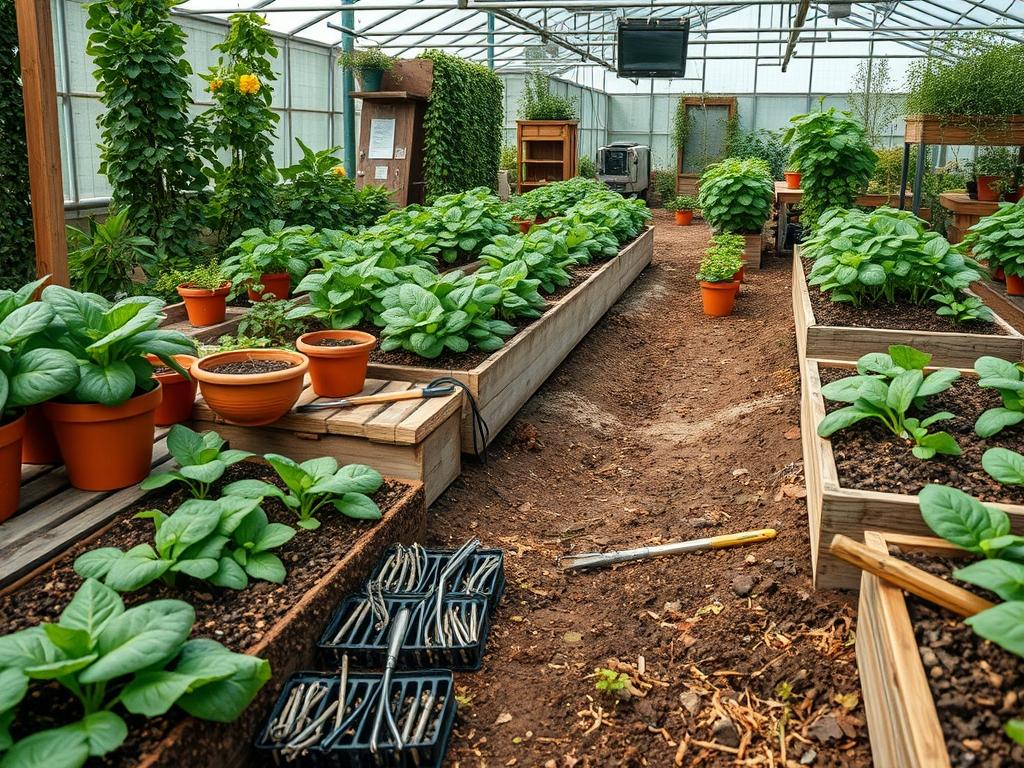
Integrating edible components into a high-end landscape requires a sophisticated understanding of phenology and site architecture. When a design calls for the production of heirloom seeds, the timing of the initial planting becomes the most critical variable in the project timeline. Saving spinach seeds is not merely a task for a standard vegetable patch; it is an exercise in long term garden planning that demands an early spring start. This temporal requirement is dictated by the biological response of Spinach to photoperiodism and temperature. To successfully harvest viable seeds, a landscape architect must design a space that supports the plant through its entire life cycle, from the initial vegetative rosette to the two foot tall floral spikes that signify the reproductive phase.
The architectural challenge of seed saving lies in the transition of the plant’s form. Most residential landscapes utilize Spinach as a low profile, leafy groundcover that provides deep green textures in early spring. However, when the goal shifts to seed production, the plant must be allowed to bolt. This process transforms a tidy 4 inch foliage mound into a tall, somewhat lanky structure that can reach 24 inches to 30 inches in height. Because of this, the placement of these plants within the garden bed must be intentional. They cannot occupy the front of a border where their late season decline would detract from the home’s curb appeal. Instead, they should be positioned in the middle or rear tiers of a planting plan, where neighboring perennials can mask the drying stalks as the seeds mature during the transition from late spring to mid summer.
Starting the process in the earliest days of spring, often while the ground still holds the chill of late winter, provides the plant with the necessary window of cool weather to establish a robust root system. If the installation is delayed until the soil warms significantly, the Spinach may rush through its vegetative stage and produce poor quality seeds or succumb to heat stress before the seeds can fully desiccate on the stalk. This early start requires careful site preparation, including the use of landscape fabric or row covers to protect the young starts from erratic frost cycles while ensuring that the drainage systems are clear of winter debris to prevent crown rot in the damp spring soil.
Landscape Design Principles
When designing a landscape intended for seed production, symmetry and focal points play a dual role in both aesthetics and functionality. A master plan should treat the seed-producing zone as a transitional layer within the garden. Utilizing retaining walls made of natural stone or concrete pavers can help manage the elevation of these beds, providing better air circulation and easier access for the meticulous task of harvesting. Elevation layers are essential; by raised beds to a height of 18 inches or 24 inches, the designer creates a physical boundary that protects the delicate stalks from wind damage and pedestrian traffic.
Irrigation planning is another pillar of high level landscape design for seed saving. Traditional overhead sprinklers can be detrimental during the flowering and seed setting phase, as excessive moisture on the blooms can lead to fungal pathogens and poor pollination. A professional layout should utilize a drip irrigation system buried beneath a layer of organic mulch. This ensures that the water reaches the root zone directly, maintaining consistent moisture levels without wetting the foliage. Furthermore, the inclusion of permanent walkways using flagstone or decomposed granite allows for maintenance access without causing soil compaction, which is vital for the heavy nutrient uptake required during the seed maturation cycle.
Visual balance must also be considered as the Spinach reaches its reproductive maturity. In a professional landscape, a bolting plant can look like an oversight if not framed correctly. By using structural plants such as Boxwood or Yew as a permanent backdrop, the architect provides a visual anchor that maintains the garden’s form even when the edible components are in their less attractive, seed-bearing stage. This layering technique ensures that the functional goal of saving spinach seeds does not compromise the overall outdoor environment’s elegance.
Plant and Material Selection
| Plant Type | Sun Exposure | Soil Needs | Water Demand | Growth Speed | Maintenance Level |
| :— | :— | :— | :— | :— | :— |
| Spinach (Bloomsdale) | Full Sun to Part Shade | Loamy, pH 6.5-7.0 | Moderate | Fast | Medium |
| Red Veined Sorrel | Full Sun | Well-drained | Low | Moderate | Low |
| Flat-Leaf Parsley | Full Sun | Rich Organic | High | Moderate | Medium |
| Crimson Clover | Full Sun | Poor to Average | Low | Fast | Low |
| Hardy Lavender | Full Sun | Sandy, Alkaline | Low | Slow | Low |
Implementation Strategy
The successful execution of a seed saving garden begins with rigorous site grading. Before any seeds are sown, the topography must be adjusted to ensure that water moves away from the foundation of the home and toward the designated planting zones. A slope of 2 percent is often sufficient to prevent pooling. Once the grade is established, the installer should define the garden edges using a steel edger or cobblestone to create a clean line between the turf and the nursery beds.
Following the grading, the soil must be amended with 3 inches of high quality compost and worked to a depth of 10 inches using a spade or rototiller. For Spinach, which is a heavy feeder, the incorporation of organic matter is necessary to sustain the plant through its extended lifespan. When the planting window arrives in early spring, use a measuring tape to ensure proper spacing. Seeds should be sown 0.5 inches deep and spaced 4 inches apart. As the plants grow, they should be thinned to 8 inches or 12 inches to allow for the increased girth of the seed stalks.
Mulch application is the final step in the installation phase. A 2 inch layer of shredded cedar mulch or pine bark helps to regulate soil temperature, which is critical for delaying the bolting process long enough for the plant to gain size. This mulch also prevents soil splashing onto the leaves, reducing the risk of soil-borne diseases. Throughout the spring, the landscape consultant should monitor the drip irrigation timers, adjusting the flow as the days lengthen and the evaporation rate increases.
Common Landscaping Failures
One of the most frequent mistakes in edible landscaping is improper drainage. If the site is not graded correctly, the early spring rains will saturate the root zone, leading to anaerobic conditions that kill the Spinach before it can even flower. Similarly, root overcrowding occurs when a gardener fails to thin the seedlings. A high density of plants leads to competition for nutrients and poor air circulation, which invites powdery mildew and aphids.
Another common failure is the use of incorrect mulch depths. While mulch is beneficial, applying more than 4 inches can suffocate the roots and provide a haven for slugs and snails that can decimate a young spinach crop. Irrigation inefficiencies also pose a significant risk; specifically, the transition from spring to summer often sees a spike in water demand that older, poorly maintained systems cannot meet. If the soil dries out completely during the seed-filling stage, the resulting seeds will be small, shriveled, and unlikely to germinate in the following season.
Finally, failing to account for cross-pollination is a technical error in seed saving. If different varieties of Spinach are planted within 100 feet of each other, the wind can carry pollen between them, resulting in hybrid seeds that do not grow true to the parent plant. Professional designers must ensure that only one variety is allowed to flower at a time or that sufficient distance is maintained between different cultivars.
Seasonal Maintenance
Spring maintenance is focused on establishment and protection. This involves frequent checks of the irrigation lines for leaks and the application of a nitrogen-rich organic fertilizer to support vegetative growth. As the temperature rises, the focus shifts to monitoring the bolting process. You may need to provide temporary support using bamboo stakes and twine if the seed stalks become heavy with the weight of developing seeds.
Summer is the primary harvest season for the seeds. Once the stalks turn brown and the seeds are dry to the touch, they are stripped from the plant. This is also the time for “deadheading” surrounding ornamental plants to keep the landscape looking sharp while the Spinach completes its cycle. During the autumn, the spent stalks should be removed and added to a compost bin; unless they show signs of disease. The beds are then amended with another layer of compost and a cover crop like Crimson Clover to protect the soil over winter.
Winter maintenance is largely administrative and preparatory. This is the time to clean and sharpen pruning shears and trowels; it is also the ideal window to review the previous year’s garden logs. By analyzing which areas of the landscape performed best, the architect can refine the irrigation schedules and planting maps for the upcoming spring cycle.
Professional Landscaping FAQ
How deep should I plant spinach for seed saving?
Sow the seeds at a depth of 0.5 inches in well-worked, loamy soil. Consistent depth ensures uniform germination, which is vital for managing the timeline of the entire landscape bed.
Can I save seeds from store-bought spinach?
It is not recommended. Most commercial spinach is hybrid, meaning the seeds will not produce plants identical to the parent. Use open-pollinated, heirloom varieties for reliable results in your garden design.
How do I know when the seeds are ready?
The seeds are mature when the stalks have turned completely brown and the seeds are hard. They should easily detach from the stem when rubbed between your fingers during a dry afternoon.
Does spinach need a trellis for seed saving?
While not strictly required, a 24 inch stake or a small cage can prevent the heavy seed stalks from leaning into walkways or smothering neighboring plants during summer storms.
Will saving seeds attract more pests to my garden?
Bolting plants can attract aphids, but they also draw in beneficial pollinators. Maintain a healthy balance by using neem oil or a strong stream of water from a garden hose to manage localized outbreaks.