
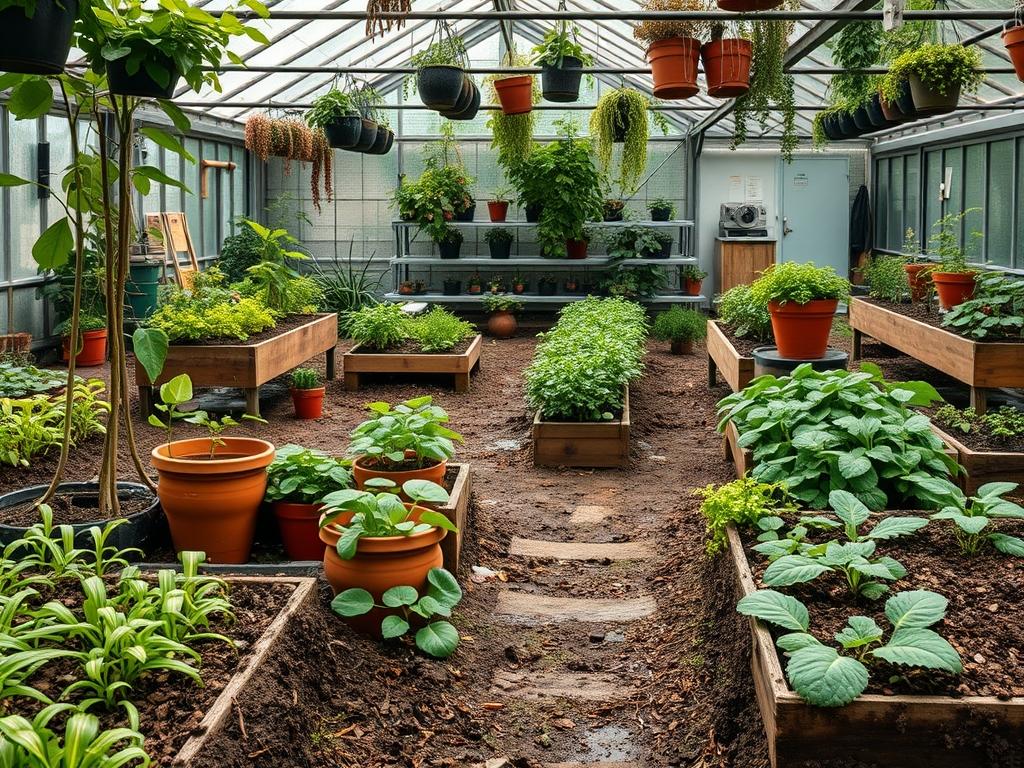
The challenge of maintaining a pristine rose garden often involves a delicate balance between aesthetic perfection and ecological health. High-end landscape design frequently prioritizes the visual splendor of the Hybrid Tea or Floribunda rose, yet these specimens are notoriously susceptible to aphid infestations that can compromise both curb appeal and the structural integrity of the plant. A professional approach to this problem moves beyond chemical interventions, which often disrupt the local micro-environment, and instead focuses on integrated pest management through strategic botanical selection. By incorporating natural aphid deterrents into the primary garden footprint, a consultant can create a self-regulating ecosystem that enhances the outdoor living experience. This method requires a deep understanding of plant physiology, site-specific climate conditions, and the hydraulic requirements of a diverse planting pallet. When correctly executed, these deterrents serve a dual purpose as both functional pest control and architectural accents that provide texture, color, and fragrance to the landscape. Selecting the right companion plants ensures that the roses remain the focal point while the surrounding flora works silently to repel pests or attract beneficial predators like lacewings and ladybugs.
Landscape Design Principles
Effective landscape design is rooted in the thoughtful arrangement of space, light, and movement. When designing a rose bed that incorporates natural aphid deterrents, the principle of elevation layers becomes paramount. We typically analyze the site topography to determine how different heights will impact airflow and moisture retention. Roses require excellent air circulation to prevent fungal diseases; therefore, companion plants must be selected and positioned to avoid crowding the base of the rose canes. Using a tiered approach, lower-growing deterrents like Catnip or Chives can be used as edging, while taller species such as Fennel or Dill are placed in the mid-background to create depth.
Symmetry and visual balance are also critical when integrating deterrents. A common mistake is to treat pest-repelling plants as an afterthought, tucking them into corners where they have little effect. Instead, consider using Lavender as a consistent border material to define Walkways and provide a transition between the rigid structure of a rose bush and the softer elements of a lawn or patio. This creates a cohesive look that masks the utilitarian nature of the deterrents. Furthermore, the placement of these plants must align with the site’s Irrigation plan. Since roses often require deep, consistent watering through Drip Irrigation Lines, the companions must share similar hydrologic needs or be placed in micro-zones that receive appropriate runoff. Focal points should be maintained by ensuring that the colors of the deterrent plants, such as the vibrant oranges of Marigolds, complement the specific hue of the rose cultivars.
Plant and Material Selection
The following table outlines ten essential plants that serve as the foundation for a professional-grade aphid deterrent strategy. These selections have been chosen for their efficacy, aesthetic value, and reliability in diverse soil profiles.
| Plant Type | Sun Exposure | Soil Needs | Water Demand | Growth Speed | Maintenance Level |
| :— | :— | :— | :— | :— | :— |
| Lavender | Full Sun | Well-drained, Sandy | Low | Moderate | Low (Prune annually) |
| Alliums | Full Sun | Rich, Loamy | Moderate | Moderate | Low |
| Marigolds | Full Sun | Versatile | Moderate | Fast | Moderate (Deadhead) |
| Catnip | Full to Part Sun | Well-drained | Moderate | Very Fast | High (Needs containment) |
| Chives | Full to Part Sun | Rich, Moist | Moderate | Fast | Low |
| Dill | Full Sun | Deep, Loamy | Moderate | Fast | Moderate (Self-seeds) |
| Fennel | Full Sun | Well-drained | Moderate | Fast | Moderate |
| Nasturtiums | Full to Part Sun | Average, Poor | Moderate | Fast | Low |
| Garlic | Full Sun | Loose, Rich | Moderate | Slow | Low |
| Cilantro | Part Sun | Moist, Cool | Moderate | Fast | Moderate |
Implementation Strategy
The successful installation of a rose bed begins with meticulous site preparation. Before any Nursery Stock is placed, the Grading of the area must be checked to ensure that water moves away from the foundation of any permanent structures while avoiding stagnant pools in the root zone. A slope of 2 percent is generally recommended for adequate surface drainage. Once the grade is established, we implement professional Edging using Steel Edging or Paver Borders to create a clean line between the garden bed and the turf. This prevents invasive grass species from competing with the roses and their companions for nutrients.
The placement of plants should follow a grid or staggered pattern that accounts for the mature spread of each species. For instance, Lavender should be spaced at least 24 inches apart to allow for its woody expansion. When planting, the soil should be amended with organic compost to improve the Soil Profile and enhance moisture-retaining capabilities without causing compaction. A critical step in the implementation is the application of Mulch. We recommend a 3 inch layer of Horticultural Grade Bark Mulch or Pine Straw. This layer regulates soil temperature, suppresses weeds, and provides a clean backdrop that highlights the textures of the foliage. For Alliums and Garlic, ensure they are planted at a depth of at least 4 inches to protect the bulbs during the initial establishment phase. If using Nasturtiums as a trap crop, place them on the perimeter of the bed, roughly 3 feet away from the primary roses, to lure aphids away from the more valuable specimens.
Common Landscaping Failures
One of the most frequent failures in garden design is improper drainage, which leads to root rot and weak plants that are more susceptible to aphid attacks. Many installers overlook the importance of a French Drain or specialized Sump System in areas with heavy clay soil. Without a clear path for excess water, the soil becomes anaerobic, stressing the roses and making them an easy target for pests. Another common issue is root overcrowding. When designers pack plants too tightly to achieve an “instant” full look, they create a stagnant environment with high humidity. This lack of airflow is a catalyst for both aphids and powdery mildew.
Soil compaction is another silent killer in the landscape. Heavy foot traffic during the construction phase or the use of heavy machinery near planting beds crushes the soil structure, preventing oxygen from reaching the root systems. This stress signal actually attracts aphids, who are drawn to the higher nitrogen levels found in the sap of struggling plants. Additionally, the misuse of Irrigation systems, such as overhead spraying, should be avoided. Not only does this waste water, but it also creates the damp conditions that many pests thrive in. A professional installation should always utilize a Drip System with Emitters placed specifically at the base of the plants to ensure the foliage remains dry.
Seasonal Maintenance
Landscape management is a year-round commitment that changes with the solar cycle. In the Spring, the focus is on clearing away winter debris and applying a fresh layer of Mulch. This is the prime time to install cool-season deterrents like Cilantro and Dill. Pruning the roses during their dormancy is essential to encourage new, vigorous growth that can withstand minor pest pressure. As we move into Summer, the priority shifts to Irrigation management and monitoring. Regular “scouting” for the first signs of aphids allows for manual removal or the release of beneficial insects before a full infestation occurs. Deadheading Marigolds will keep them blooming throughout the heat, maintaining their repelling scent.
By Autumn, the garden requires a different set of tasks. Perennial deterrents like Lavender should be lightly trimmed to maintain their shape, but avoid heavy cutting that might stimulate new growth before a freeze. This is also the time to plant Alliums and Garlic for the following season. Finally, in Winter, the landscape architect should evaluate the overall success of the design. Protecting the soil with a thin layer of compost and checking Retaining Walls for shifts caused by frost heave ensures the structural integrity of the garden remains intact. This seasonal rhythm ensures that the natural aphid deterrents remain effective and the rose bed continues to serve as a high-value asset to the property.
Professional Landscaping FAQ
How do Alliums specifically help with aphid control?
Alliums release sulfur-based compounds into the air and soil. These natural scents are highly repulsive to aphids and other common garden pests. Because they grow from bulbs, they provide a reliable, perennial defense that requires very little annual maintenance.
Does Lavender require special soil to be an effective deterrent?
Yes, Lavender must have exceptionally well-drained soil to survive. In heavy clay, it will likely suffer from root rot. For maximum scent production, which is what repels the aphids, it needs full sun and a lean, slightly alkaline soil profile.
Can I use these plants in a raised bed or container?
Absolutely. Many deterrents like Chives and Marigolds thrive in containers. Using Raised Beds allows for better control over the Soil Profile and drainage, which is often easier than correcting the native topography of a large backyard or estate.
How often should I adjust my irrigation for these companion plants?
Irrigation should be adjusted seasonally. Roses prefer deep, infrequent watering. Most companion plants listed, like Fennel and Catnip, are relatively drought-tolerant once established. Using a Smart Controller allows you to tailor water delivery based on local weather data.
Is mulch depth really that important for pest control?
Yes, a consistent 3 inch layer of mulch regulates soil moisture and temperature. This reduces plant stress, and healthy plants are less attractive to aphids. It also provides a habitat for ground-dwelling beneficial insects that prey on aphid larvae.