
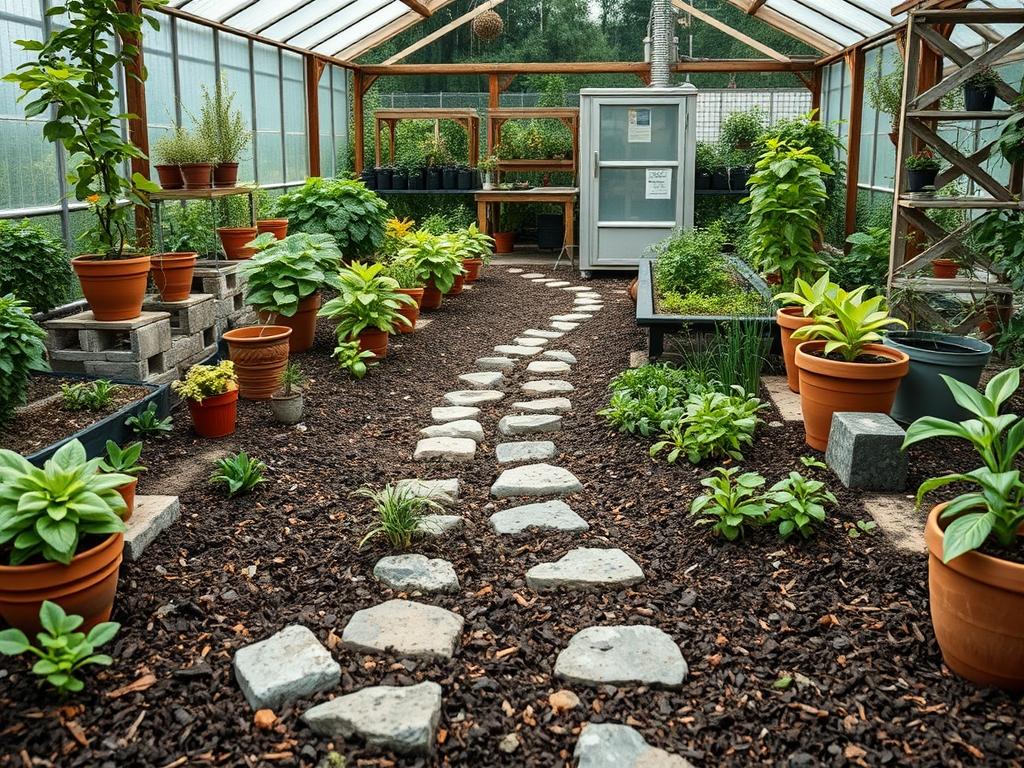
The fluctuations of modern climates present a significant challenge for sustained outdoor environments. When radiant heat penetrates the upper layers of the soil, it triggers a rapid decline in biological activity and moisture availability. This is particularly problematic in urban and suburban settings where the “heat island” effect can raise ambient temperatures by several degrees. Traditional Stone Mulching serves as more than a simple aesthetic choice; it is a functional engineering strategy for the modern landscape. By utilizing dense materials like river rock, lava rock, or crushed slate, a designer creates a physical barrier that shields the rhizosphere from the desiccating effects of the sun. This protection is vital for maintaining curb appeal and ensuring that your investment in expensive plant specimens remains viable through the peak of summer. Using heavy aggregates provides a permanent solution that organic alternatives cannot match, as stone does not decompose, blow away, or lose its protective depth over time.
Strategic landscaping requires a balance between architectural structure and biological health. Traditional Stone Mulching integrates seamlessly with several core design principles. First, it establishes visual weight. In a large backyard, a sea of green can become monotonous; however, the textural contrast of Mexican beach pebbles or decomposed granite provides a necessary break for the eye. Second, stone mulch aids in defining functionality. It creates clear delineations between active pathways and quiet garden beds. For the landscape architect, the goal is to create a space that feels intentional. This involves managing the transition between hardscaping and softscaping. By using stone, we can bridge the gap between a concrete patio and a lush garden bed, creating a unified aesthetic that enhances the overall property value. Proper stone selection also allows for better light reflection or absorption, depending on the specific needs of the microclimate.
Landscape Design Principles
Successful landscape design rests on the application of symmetry, focal points, and elevation layers. Symmetry provides a sense of order and formality, which is often desired in front yard installations to boost curb appeal. We achieve this by mirroring plantings on either side of a walkway or entrance. Focal points, such as a large boulder or a sculptural specimen tree like a Japanese Maple, draw the viewer’s attention and provide a sense of scale. Elevation layers are equally important. By using retaining walls or raised beds filled with Traditional Stone Mulching, we create vertical interest. This prevents the landscape from looking flat and two-dimensional.
Irrigation planning must be integrated into the initial design phase. We recommend subsurface drip irrigation systems when working with stone mulch. These systems deliver water directly to the base of the plant, minimizing evaporation. Walkways should be designed with a width of at least 36 inches to allow for comfortable movement, often utilizing fine-screened gravel or flagstone set in a bed of crushed stone. Visual balance is achieved by staggering plant heights, with taller shrubs in the rear and lower ground covers near the edges, all anchored by a consistent layer of 2-inch stone aggregate.
Plant and Material Selection
Selecting the right flora for a stone-mulched environment is critical. While stone is excellent for heat protection at the root level, it can reflect heat upward during the day. Therefore, choosing heat-tolerant species is paramount for a low-maintenance result.
| Plant Type | Sun Exposure | Soil Needs | Water Demand | Growth Speed | Maintenance Level |
| :— | :— | :— | :— | :— | :— |
| Agave Americana | Full Sun | Well-drained | Low | Slow | Very Low |
| Lavender | Full Sun | Sandy/Rocky | Low | Moderate | Low |
| Feather Reed Grass | Full to Partial | Clay/Loam | Medium | Fast | Moderate |
| Boxwood Shrub | Partial Sun | Loamy/Rich | Medium | Slow | Moderate |
| Sedum Groundcover | Full Sun | Any/Poor | Very Low | Fast | Low |
| Blue Oat Grass | Full Sun | Well-drained | Low | Moderate | Low |
| Red Yucca | Full Sun | Sandy | Low | Slow | Very Low |
Implementation Strategy
The implementation of Traditional Stone Mulching begins with meticulous site preparation. First, the area must undergo grading. We ensure a minimum 2 percent slope away from any building foundations to prevent water ingress. Once the subgrade is level, we install a high-quality, non-woven landscape fabric. This 6-mil polypropylene fabric is essential because it allows water and air to reach the soil while preventing the stone from sinking into the dirt. Common mistakes often involve skipping this step, which leads to a messy mix of mud and rock within a single season.
Next, we establish edging. We prefer 12-gauge steel edging or heavy-duty aluminum because it provides a crisp, permanent line that prevents stone migration into the lawn. After the edging is secured with 10-inch steel stakes, the stone is imported. We recommend a depth of at least 3 inches for standard river rock and 4 inches if using larger cobblestone. This depth is the “sweet spot” for thermal insulation. If the area has existing drainage issues, we install a French drain consisting of perforated PVC pipe and clean gravel beneath the mulch layer. Finally, the stone is raked level and rinsed with a high-pressure hose to remove dust and reveal the natural color of the material.
Common Landscaping Failures
The most frequent failure in residential landscaping is improper drainage management. When stone is laid without considering the flow of water, it can act as a dam, trapping moisture against the house or drowning plant roots. Soil compaction is another silent killer. Using heavy machinery over garden beds before laying stone crushes the soil structure, removing the air pockets that roots need to breathe. We always recommend tilling the soil and adding organic compost before laying the fabric and stone to ensure the long-term health of the plants.
Root overcrowding and improper spacing also lead to disappointment. A 3-gallon shrub may look small today, but it will eventually reach its mature width. If planted too close together, the stones will eventually be covered by foliage, or the plants will compete for limited water resources. Another failure is the omission of a pre-emergent herbicide. While stone and fabric stop most weeds, windblown seeds can still germinate in the dust that accumulates between stones. A biannual application of a granular pre-emergent will keep the stone beds looking pristine without manual weeding.
Seasonal Maintenance
Maintenance requirements for a stone-mulched landscape are significantly lower than for wood-mulched areas, but they are not zero. In Spring, the focus is on debris removal. Use a high-velocity leaf blower on a low setting to clear fallen leaves and twigs from the rock surface. This is also the time to apply fertilizers. In Summer, monitor the irrigation emitters. Stone can shift over time; ensure that the drip lines are still positioned correctly over the root balls. Check for any “hot spots” where the stone might be too thin and top them off to maintain that thermal barrier.
Autumn requires a thorough cleaning to prevent organic matter from decomposing and turning into soil on top of your fabric. If leaves are left to rot in the stone, weeds will eventually find a home. Finally, in Winter, inspect the retaining walls and edging for signs of frost heave. If the ground freezes and thaws repeatedly, some stones may shift. Use a steel rake to redistribute the material and ensure the grade remains effective for winter snowmelt. This proactive approach ensures the landscape remains a high-performing asset for decades.
Professional Landscaping FAQ
Does stone mulch make the soil too hot for plants?
No, while the surface of the stone absorbs heat, the air gaps between the stones act as an insulator. This prevents the underlying soil from reaching the extreme temperatures seen with bare earth or thin wood mulch applications.
How deep should I lay the stone for maximum protection?
For standard 1-inch to 2-inch river rock, a depth of 3 inches is ideal. This provides sufficient weight to suppress weeds and enough thickness to provide the thermal barrier required to protect delicate root systems in extreme heat.
Will stone mulch affect the pH of my soil?
Most natural stones like granite or river pebbles are pH neutral. However, avoid using limestone or marble chips around acid-loving plants like Azaleas, as these stones can leach calcium carbonate and raise the soil alkalinity over time.
Can I use a weed whacker near stone edging?
It is not recommended. String trimmers can shatter stones or throw them at high speeds, causing injury or property damage. Use a metal edger or hand shears to maintain the grass line where it meets the stone border.
How often do I need to replace the stone?
One of the primary benefits of Traditional Stone Mulching is its permanence. Unlike wood mulch which requires annual replenishment, stone lasts indefinitely. You may only need to power-wash the stone every few years to remove environmental dust and grime.