
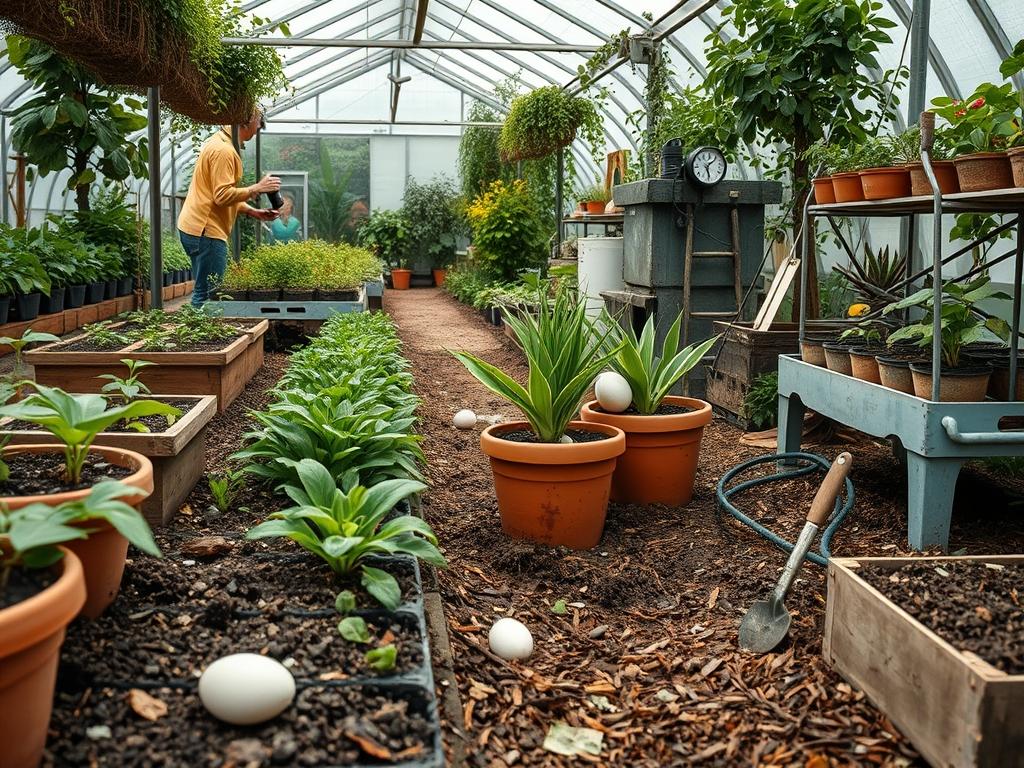
Achieving a high-end landscape requires more than an eye for aesthetics; it demands a deep understanding of the geological and biological foundations that support healthy plant life. As a landscape architect, I often tell clients that curb appeal is a byproduct of soil health. When we design outdoor spaces, we focus on the structural elements such as retaining walls and pavers, but the true longevity of the installation depends on the nutrient profile of the earth. Calcium deficiency is a silent predator in professional gardening, leading to stunted growth, weakened root systems, and a lack of vibrancy in ornamental foliage. Using Crushed Eggshells is a time-tested technique that serves as an ancient calcium source to fortify these living systems. By integrating this organic material into a comprehensive landscape plan, we can simulate the natural mineral cycles found in the world’s most resilient ecosystems. This approach balances the need for immediate visual impact with the requirement for long-term sustainability and soil stability.
The architectural integrity of a garden is often built upon the strength of its individual specimens. Whether we are planning a formal symmetrical layout or a more fluid, naturalistic environment, every plant serves as a structural component. Calcium is the primary building block for plant cell walls, providing the physical rigidity needed for plants to stand tall against wind and environmental stressors. In areas with high rainfall, calcium often leaches out of the soil, leaving the landscape vulnerable to disease and structural collapse. By strategically Using Crushed Eggshells in the preparation phase of a project, the architect ensures that the living elements of the design have the necessary minerals to thrive. This creates a more professional finish, where transitions between different elevation layers and hardscape boundaries are complemented by dense, healthy botanical growth rather than sparse or yellowing vegetation.
Landscape Design Principles
Professional landscape design relies on five core principles: balance, focal points, proportion, rhythm, and unity. To achieve balance, especially in a symmetrical design, each side of a walkway or focal point must reflect the other in health and stature. If the soil on one side of a property is deficient in minerals, the resulting growth will be uneven, shattering the visual symmetry of the project. We utilize calcium-rich amendments to ensure uniform growth across all garden beds. A focal point, perhaps a grand Japanese Maple or a cluster of Hybrid Tea Roses, requires optimal nutrient availability to maintain the foliage density that draws the eye. Without proper soil chemistry, even the most expensive specimens will fail to meet the scale and proportion intended by the designer.
Elevation layering is another critical technique used to create depth in small urban gardens. We typically arrange plants in three tiers: the canopy, the mid-story, and the ground cover. Each layer has specific nutritional demands. Soil preparation involving slow-release minerals prevents the mid-story from becoming leggy and unattractive. Furthermore, proper irrigation planning must account for how water distribution affects mineral availability. High-volume irrigation can wash away surface nutrients, making the integration of crushed shells into the deeper soil layers a vital strategy for permanent landscape installations. This ensures that as the mulch decomposes and the grading settles, the plants continue to find the resources they need to remain vibrant.
Plant and Material Selection
Selecting the right plants involves more than just picking beautiful flowers; it requires matching the botanical requirements with the site’s unique microclimate and soil composition. Below is a professional-grade selection of specimens that benefit significantly from enhanced calcium availability through Using Crushed Eggshells.
| Plant Type | Sun Exposure | Soil Needs | Water Demand | Growth Speed | Maintenance Level |
| :— | :— | :— | :— | :— | :— |
| Hybrid Tea Rose | Full Sun | Loamy, Calcium-Rich | Moderate to High | Medium | High |
| San Marzano Tomato | Full Sun | Well-Drained Organic | Consistent | Fast | Moderate |
| Common Lilac | Full to Partial Sun | Neutral to Alkaline | Moderate | Medium | Low |
| Clematis | Sun (Roots in Shade) | Cool, Moist, Alkaline | Moderate | Fast | Moderate |
| Bell Pepper | Full Sun | Warm, Mineral-Dense | High | Medium | Moderate |
| English Ivy | Shade to Partial Sun | Adaptive | Low to Moderate | Fast | Low |
Implementation Strategy
The implementation of a high-end garden begins with site grading and drainage analysis. Before a single plant is placed, we must ensure the land slopes away from structures at a minimum of two percent. Once the grading is established, we begin the soil amendment process. Using Crushed Eggshells should ideally happen during the initial tilling phase. We recommend using a heavy-duty rototiller to incorporate the powdered or finely crushed shells into the top six to eight inches of soil. For a professional finish, the shells should be dried and ground into a fine meal; this increases the surface area and speeds up the decomposition process, making the calcium available to the roots sooner.
After amending the soil, we install steel or aluminum edging to define the borders of the garden beds. This prevents grass from encroaching on the ornamental areas and keeps the specialized soil mixtures in place. When planting, we advocate for the “hole twice as wide as the root ball” rule. A handful of crushed shells at the bottom of each hole provides a direct source of minerals for the developing root system. Following the planting phase, a three-inch layer of organic mulch is applied to retain moisture and regulate soil temperature. Finally, we install a subsurface drip irrigation system to deliver water directly to the root zones, minimizing evaporation and nutrient runoff.
Common Landscaping Failures
One of the most frequent failures in residential landscaping is the neglect of soil structure and drainage. Many homeowners focus on the flowers while ignoring the fact that their soil is heavily compacted. Soil compaction prevents oxygen and nutrients from reaching the roots, leading to a slow decline in plant health. Another common mistake is improper spacing. When plants are placed too close together, they compete for the same pool of calcium and water, which results in root overcrowding and poor air circulation. This lack of airflow often invites fungal infections that can decimate a garden in a single season.
Irrigation inefficiency is another major hurdle. Over-watering can be just as damaging as under-watering; it creates anaerobic conditions and flushes out essential micronutrients. Furthermore, many people fail to realize that the calcium in eggshells is not immediately available. Simply throwing whole shells onto the surface of the soil is an ineffective practice. For the calcium to benefit the landscape, the shells must be finely crushed and integrated into the earth where microbes can break them down. Ignoring the pH level of the soil is also a critical error; if the soil is too acidic, plants may struggle to uptake any of the nutrients provided, regardless of the quantity applied.
Seasonal Maintenance
Landscape management is a year-round commitment that changes with the cycles of the sun. In the spring, the focus is on replenishment. This is the best time for Using Crushed Eggshells as a top-dressing before the first heavy growth spurt. As the ground thaws, we use a garden fork to gently aerate the soil around perennials and shrubs, allowing the new minerals to wash down to the roots with the spring rains. Summer maintenance focuses on hydration and pest control. Finely crushed shells can be used as a mechanical barrier against soft-bodied pests like slugs that threaten the curb appeal of hostas and other shade-loving plants.
Autumn is the season for preparation and long-term soil building. As you clear away annuals and prune back perennials with bypass pruners, it is wise to work more shells into the soil. Because eggshells break down slowly, an autumn application ensures that the calcium will be bioavailable by the following spring. In the winter, the focus shifts to protection. While the garden is dormant, we check the integrity of retaining walls and hardscapes. We also monitor for soil erosion in areas where the vegetation has died back. By maintaining a constant cycle of mineral addition and structural care, the landscape becomes more resilient and beautiful with each passing year.
Professional Landscaping FAQ
How often should I apply crushed eggshells to my garden?
For most residential landscapes, a thorough application twice a year is sufficient. Apply in early spring to support new growth and again in autumn to enrich the soil during the dormant season.
Can I use eggshells in containers and raised beds?
Yes; containers and raised beds leach nutrients faster than ground soil. Mix finely ground shells into the potting soil to maintain mineral levels and provide a stable environment for root development.
Will Using Crushed Eggshells change my soil pH?
Eggshells are primarily calcium carbonate, which has a mild neutralizing effect on acidic soil. While they act slowly, they can help stabilize the pH and prevent it from becoming too acidic for most ornamental plants.
How do I prepare the shells for the best results?
Rinse the shells to remove any residue, dry them thoroughly in a low oven, and then use a blender or mortar and pestle to grind them into a fine powder for maximum absorption.
Do eggshells attract rodents or other pests to the landscape?
If properly rinsed and dried, they will not attract pests. The lack of organic matter and odor makes them unappealing to rodents, while the sharp edges of larger pieces actually deter slugs.