
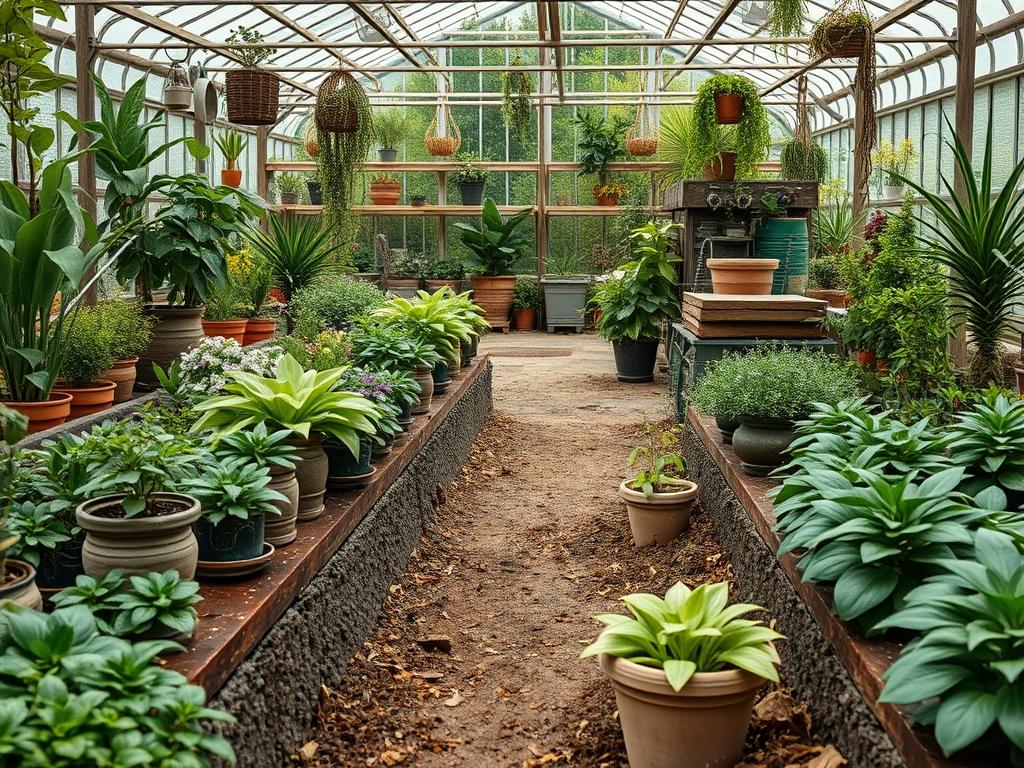
Integrating traditional basketry plants into a modern landscape design requires a delicate balance between outdoor functionality and aesthetic sophistication. For a landscape architect, the challenge lies in selecting species that provide high quality weaving material while simultaneously enhancing the property curb appeal and ecological health. Many of these plants, which include various species of willow, dogwood, and native grasses, are naturally found in riparian zones or transitional meadows. Bringing them into a residential or commercial setting requires a thorough understanding of microclimates, drainage patterns, and soil composition. When planned correctly, a basketry garden serves as a living warehouse for craft materials, a privacy screen for outdoor living spaces, and a sustainable habitat for local pollinators. The ultimate goal is to create a multi seasonal landscape where the harvest itself acts as a vital part of the maintenance cycle, ensuring the garden remains vibrant and productive year after year.
Landscape Design Principles
Successful integration begins with the application of foundational design principles, specifically the use of elevation layers and focal points. Most traditional basketry species, such as Salix viminalis (Common Osier), are fast growing and can quickly dominate a space if not managed. To maintain visual balance, these should be positioned as background layers or used to create verticality along property lines. Using a tiered approach allows the gardener to place taller withes at the rear, followed by mid sized shrubs like Cornus sericea (Red Osier Dogwood), and finishing with low growing fiber plants like Hierochloe odorata (Sweetgrass) or Yucca filamentosa (Adam’s Needle) at the front of the border.
Symmetry and walkways also play a critical role in the functionality of a harvest garden. Because these plants require frequent access for pruning and harvesting, the design must include functional paths that are at least 3 feet wide to accommodate wheelbarrows and heavy pruning tools. Symmetrical rows of willow can be trained into a “fledge,” which is a living fence, providing a structured look that complements formal architecture. For more naturalistic designs, grouping these plants in clusters near water features or low lying areas of the yard utilizes their natural affinity for moisture, effectively turning a potential drainage problem into a lush, productive focal point. Furthermore, irrigation planning must account for the vastly different needs of these species; willow beds may require dedicated drip lines with high output emitters, while yucca and grasses perform better with minimal supplemental water once established.
Plant and Material Selection
| Plant Type | Sun Exposure | Soil Needs | Water Demand | Growth Speed | Maintenance Level |
| :— | :— | :— | :— | :— | :— |
| Salix purpurea (Purple Willow) | Full Sun | Heavy Clay/Loam | High | Fast | High (Annual Coppicing) |
| Cornus sericea (Red Osier Dogwood) | Full to Part Sun | Moist, Acidic | Moderate to High | Medium | Medium (Selective Pruning) |
| Hierochloe odorata (Sweetgrass) | Full Sun | Rich, Moist Loam | High | Medium | Low (Spreading Habit) |
| Yucca filamentosa (Adam’s Needle) | Full Sun | Sandy, Well-Drained | Low | Slow | Very Low |
| Corylus avellana (Hazel) | Full to Part Sun | Well-Drained Loam | Moderate | Medium | Medium (Periodic Pruning) |
| Carex barbarae (Santa Barbara Sedge) | Part Shade to Sun | Sandy or Silty | Moderate | Medium | Low |
Implementation Strategy
Implementing a basketry landscape begins with rigorous site preparation. For species that thrive in moisture, such as the Salix genus, grading becomes the primary concern. The site should be graded to allow water to collect near the root zones without causing stasis that could lead to anaerobic soil conditions. If the soil is excessively compacted, a mechanical tiller should be used to incorporate organic matter to a depth of 12 inches to 18 inches. For the implementation of a professional willow holt, the area should be cleared of all perennial weeds and covered with a heavy duty landscape fabric or a 4-inch layer of wood chip mulch to suppress competition during the first two years of establishment.
Hardscaping and edging are equally important in the layout phase. Using steel edging or concrete curbing helps contain the spreading rhizomes of fiber grasses like sweetgrass, which can otherwise become invasive in a manicured garden. When planting, spacing is governed by the desired harvest size. For thin, flexible basketry rods, plants should be spaced closely, approximately 10 inches to 12 inches apart, to encourage upright growth and minimal branching. For larger structural materials, such as hazel or ash, spacing should be increased to 6 feet or more. After planting, a dedicated irrigation system using 0.5-inch drip tubing ensures consistent moisture delivery directly to the root ball, which is essential for the high biomass production required for weaving.
Common Landscaping Failures
The most frequent failure in basketry gardening is the neglect of the “Coppicing” or “Pollarding” schedule. Unlike ornamental shrubs that are pruned for shape, basketry plants are often cut back to the ground annually. Failure to do this results in woody, brittle branches that are useless for weaving and an overgrown, messy aesthetic that detracts from curb appeal. Another common error is inadequate drainage for species like Yucca. While many basketry plants love water, others require sharp drainage; planting them in the same irrigation zone often leads to root rot and specimen loss.
Soil compaction is another silent killer in these environments. When harvesting in the winter or early spring, heavy foot traffic on wet soil collapses air pockets, making it difficult for the plants to rebound in the spring. Using stepping stones or permeable pavers throughout the harvest area can mitigate this damage. Finally, many beginners fail to account for the aggressive root systems of larger willow varieties. Planting a Salix alba too close to a home foundation or septic line can result in thousands of dollars in property damage, as these roots are biologically programmed to seek out and infiltrate water sources.
Seasonal Maintenance
Spring maintenance focuses on nutrient replacement and mulch rejuvenation. As the ground thaws, apply a balanced, slow release fertilizer to high production beds. Inspect the irrigation system for leaks and adjust timers for the increasing temperatures. Summer maintenance is primarily about water management and pest monitoring. Ensure that moisture reaches a depth of at least 8 inches during heatwaves to prevent the wood from becoming “pithy” or weak. Check for common pests such as sawflies or aphids, which can damage the bark and make the rods unsuitable for fine weaving.
Autumn is the season for preparation. As the leaves begin to turn, mark the healthiest stems with colored garden twine to identify them for specific projects. This is also the time to clear away fallen debris to prevent fungal spores from overwintering in the mulch. Winter is the primary harvest window. After the first hard frost, when the sap has retreated to the roots, use bypass pruners or a sharp billhook to harvest the year’s growth. This promotes vigorous regrowth in the spring. The harvested material should be sorted by length and thickness, bundled, and stored in a cool, dry place to cure. Proper winter pruning is not just a harvest; it is a rejuvenation technique that extends the life of the plant for decades.
Professional Landscaping FAQ
What is the best time to prune basketry plants for material?
Harvest should occur during winter dormancy, typically between late November and early March. Pruning while the sap is down ensures the rods are flexible and the parent plant remains healthy for the following growing season.
Can I grow basketry willow in a small backyard?
Yes, but you must select dwarf varieties like Salix purpurea ‘Nana’. Using large scale willows in confined spaces leads to root encroachment. Alternatively, grow them in large raised beds with built in root barriers to control expansion.
Do these plants require a lot of fertilizer?
Most traditional material plants are hardy, but they benefit from organic compost applied in the spring. High nitrogen fertilizers should be avoided for basketry plants, as they produce rapid, weak growth that lacks the tensile strength needed for weaving.
How do I prevent my basketry garden from looking messy?
Implement structured edging and clear pathways. By using the “coppice” method, you keep the plants at a consistent, manageable height. Integrating them with ornamental perennials creates a “cottage garden” look that masks the utilitarian nature of the harvest.
Which plant is easiest for a beginner weaver?
Red Osier Dogwood is excellent for beginners. It is remarkably hardy, thrives in various soil types, and provides stunning winter color with its bright red bark. It requires less aggressive pruning than willow to remain aesthetically pleasing.