
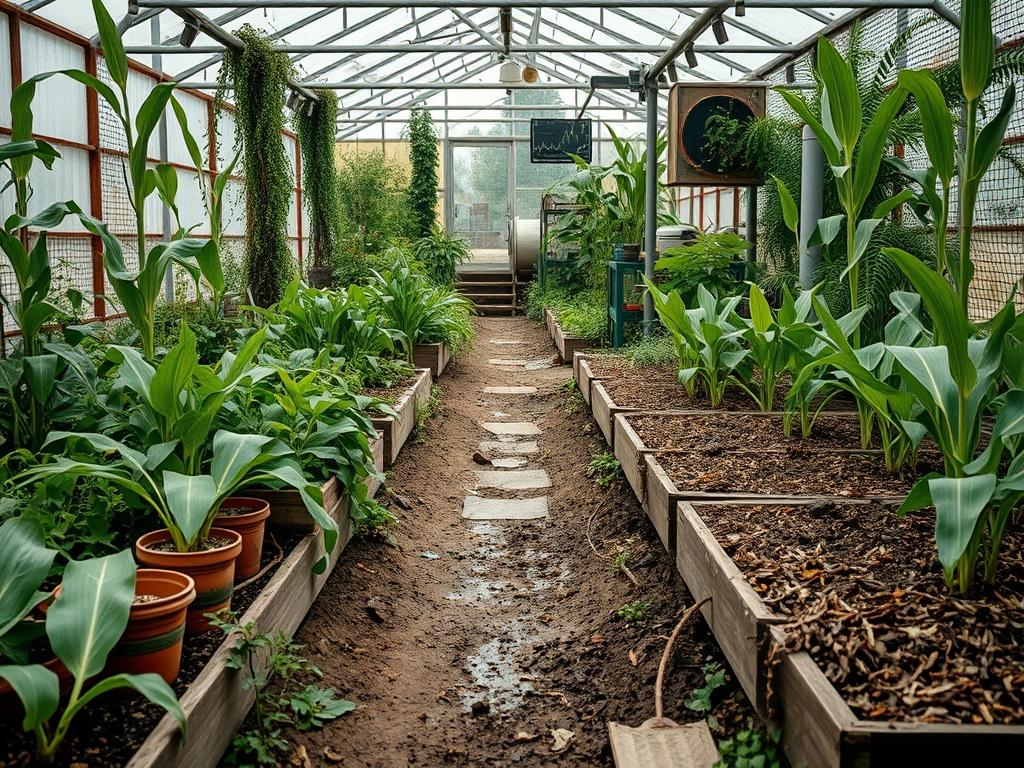
Integrating tall, structural crops like maize into a functional residential landscape requires a sophisticated understanding of spatial dynamics and environmental controls. When the primary objective involves saving heirloom corn seeds, the landscape design must transcend simple aesthetics to function as a controlled biological environment. Architects must consider wind paths, soil composition, and neighboring vegetation to ensure the genetic integrity of the crop remains uncompromised. This balance between high-end curb appeal and rigorous agricultural purity challenges the traditional boundaries of garden planning. A well-executed corn plot functions as a massive green screen; it provides privacy and vertical interest while serving as a reservoir for heirloom genetics. Because corn is wind-pollinated, the site plan must account for prevailing breezes that could carry rogue pollen from neighboring properties. Successful integration depends on the designer’s ability to treat the corn patch as a living architectural feature rather than a hidden utility garden. By focusing on drainage, irrigation, and elevation layers, a consultant can create an environment where the process of saving heirloom corn seeds becomes a centerpiece of the outdoor experience.
Landscape Design Principles
Symmetry and massing are the cornerstone principles when incorporating corn into a professional landscape layout. Because corn stands tall, often reaching heights of 6 feet to 10 feet, it acts as a dominant vertical element that can overwhelm smaller perennials if not placed with care. For a visual balance, practitioners often use corn as a backdrop in tiered planting beds, where shorter shrubs and flowering natives create a foreground that softens the coarse texture of the stalks. This layering technique ensures that the garden maintains its beauty throughout the lifecycle of the plant, from the vibrant green of early summer to the golden brown of the autumn harvest.
Focal points should be established to draw the eye toward the heirloom varieties without making the space feel like a commercial farm. One effective method is to frame the corn plot with formal stone edging or timber retaining walls. This defines the space and signals to observers that the corn is an intentional part of the design. Additionally, irrigation planning must be invisible yet highly efficient. Drip irrigation systems should be installed beneath a layer of hardwood mulch to provide consistent moisture to the roots without increasing humidity around the tassels and silks, which can interfere with the purity of the pollination process.
Walkways are essential for both maintenance and the manual pollination tasks required for saving heirloom corn seeds. A professional design includes a minimum of 36 inches of clearance for paths, utilizing materials like decomposed granite or flagstone. These stable surfaces prevent soil compaction near the root zones of the crop. Compaction is a significant threat to corn, as it restricts the “anchor roots” that keep the tall stalks upright during summer thunderstorms. By designing clear access points, the gardener can easily reach each ear for bagging or hand-pollination without damaging the surrounding landscape.
Plant and Material Selection
| Plant Type | Sun Exposure | Soil Needs | Water Demand | Growth Speed | Maintenance Level |
| :— | :— | :— | :— | :— | :— |
| Heirloom Corn | Full Sun (8+ hrs) | Nitrogen-rich; pH 6.0-6.8 | High; 1 inch per week | Fast | High due to purity needs |
| Common Bean | Full / Part Sun | Well-drained loam | Moderate | Medium | Low; fixes nitrogen |
| Winter Squash | Full Sun | Compost-heavy | Moderate | Medium | Low; serves as living mulch |
| Native Marigolds| Full Sun | Adaptable | Low | Fast | Minimal; pest deterrent |
| Switchgrass | Full / Part Sun | Sandy to Clay | Low | Medium | Minimal; adds winter texture |
Implementation Strategy
The successful establishment of a seed-saving garden begins with precise site grading. Corn requires exceptional drainage to prevent root rot, yet it also needs a deep moisture reservoir. A landscape architect will often recommend a slight 2 percent grade for the entire planting area, directing excess water away from the stalks into a dedicated french drain or a rain garden located at the property’s perimeter. Before planting, the sub-base must be tilled to a depth of 12 inches, incorporating significant amounts of organic matter to support the rapid growth of heirloom varieties.
Grid layouts are superior to long, single rows for those interested in saving heirloom corn seeds. A block formation, such as a 10-foot by 10-foot square, ensures that wind-blown pollen is more likely to land on the silks of the same variety, increasing the success rate of fertilization. To prevent cross-contamination from other types of corn, designers can use “buffer strips” of tall sunflowers or evergreen screens like Thuja Green Giant to catch stray pollen. These physical barriers provide a secondary benefit by acting as windbreaks that protect the corn from lodging, which is when the stalks fall over during high winds.
When the time for planting arrives, the use of landscape fabric is generally discouraged in the immediate growing zone, as it can interfere with the heavy nitrogen feeding required by corn. Instead, a thick layer of organic straw or fine-shredded bark mulch should be applied once the seedlings reach 6 inches in height. This suppresses weeds that compete for nutrients and helps maintain the soil temperature. Edging the plot with a hard material like steel bender board or poured concrete prevents the surrounding turf grass from encroaching on the specialized soil mix intended for the heirloom crop.
Common Landscaping Failures
The most frequent mistake in planning for corn is neglecting the isolation requirements necessary for saving heirloom corn seeds. If a neighbor is growing a different variety, the pollen can travel significant distances, resulting in “starchy” or “tough” kernels that do not breed true to the parent plant. Architects often mitigate this by using temporal isolation, which involves calculating the days to maturity for each variety and staggered planting by at least 21 days. This ensures that the tassels of different varieties are not releasing pollen at the same time.
Soil compaction is another silent killer in the landscape. When heavy machinery or frequent foot traffic occurs near the planting beds, the soil structure collapses. This stops the deep penetration of the taproot. Furthermore, a failure to plan for high-nitrogen demands often leads to “yellowing,” where the corn loses its ornamental value and produces stunted ears with poor seed viability. Professional planners solve this by integrating a fertigation system into the irrigation lines, delivering liquid nutrients directly to the root zone at critical growth stages.
Improper drainage leads to standing water, which is a magnet for pests and fungal pathogens. If the garden is situated in a low-lying area of the yard, the design must include an elevated raised bed system. Without proper elevation, the roots stay cold and wet in the spring, delaying the crop and potentially pushing the harvest past the first frost of autumn. Finally, overcrowding stalks in an attempt to maximize yield often backfires. Proper spacing of 12 inches between plants within the row ensures adequate airflow, which is the best defense against corn smut and other mildew issues.
Seasonal Maintenance
In the spring, the focus is on soil preparation and warming the earth. A landscape consultant will often suggest using a clear plastic tarp over the beds for two weeks before planting to trap solar heat. This jump-starts the germination of the heirloom seeds. Irrigation systems should be pressurized and tested for leaks during this time. As the summer heat intensifies, the maintenance shifts to monitoring water stress. Corn leaves will “pineapple” or roll up to conserve moisture when thirsty; seeing this even once is a signal to increase the irrigation duration.
Autumn is the most critical period for those saving heirloom corn seeds. The stalks must be left in the landscape until the husks are completely dry and brown. While this may temporarily detract from a green aesthetic, it is essential for seed maturity. To maintain curb appeal during this “drying phase,” designers can interplant with late-season bloomers like Asters or Mums that take the visual spotlight. Once the harvest is complete, the stalks can be chopped and dropped as a “green manure” or removed to the compost pile to prevent pests like the corn borer from overwintering in the garden. Winter maintenance involves protecting the soil with a cover crop like winter rye to prevent erosion and nutrient leaching.
Professional Landscaping FAQ
How much space do I need for saving corn seeds?
A minimum block of 4 feet by 4 feet is required for adequate pollination. For true genetic diversity and seed health, a larger 10-foot by 10-foot area is recommended to ensure the purity of the variety.
Can I grow different corn varieties in one backyard?
It is risky for seed saving. To maintain purity, grow only one variety at a time or ensure they silk at different times. Alternatively, use manual hand-pollination and bag the ears to prevent cross-contamination from different stalks.
What is the best mulch for an heirloom corn plot?
Use weed-free straw or composted leaf mold. These materials break down into the soil, adding vital organic matter while suppressing weeds and maintaining the consistent moisture levels required for high-quality seed production and plant health.
How do I protect the landscape from corn-related pests?
Integrate beneficial insectary plants like Dill or Yarrow nearby. These attract predatory wasps that hunt corn earworms. Consistent cleaning of garden debris at the end of the season prevents pest cycles from establishing in your landscape year-over-year.
Does corn require a specific irrigation type?
Drip irrigation or soaker hoses are superior to overhead sprinklers. Keeping the tassels and silks dry during the critical pollination window ensures that the pollen remains viable and travels effectively, which is vital for saving heirloom corn seeds.