
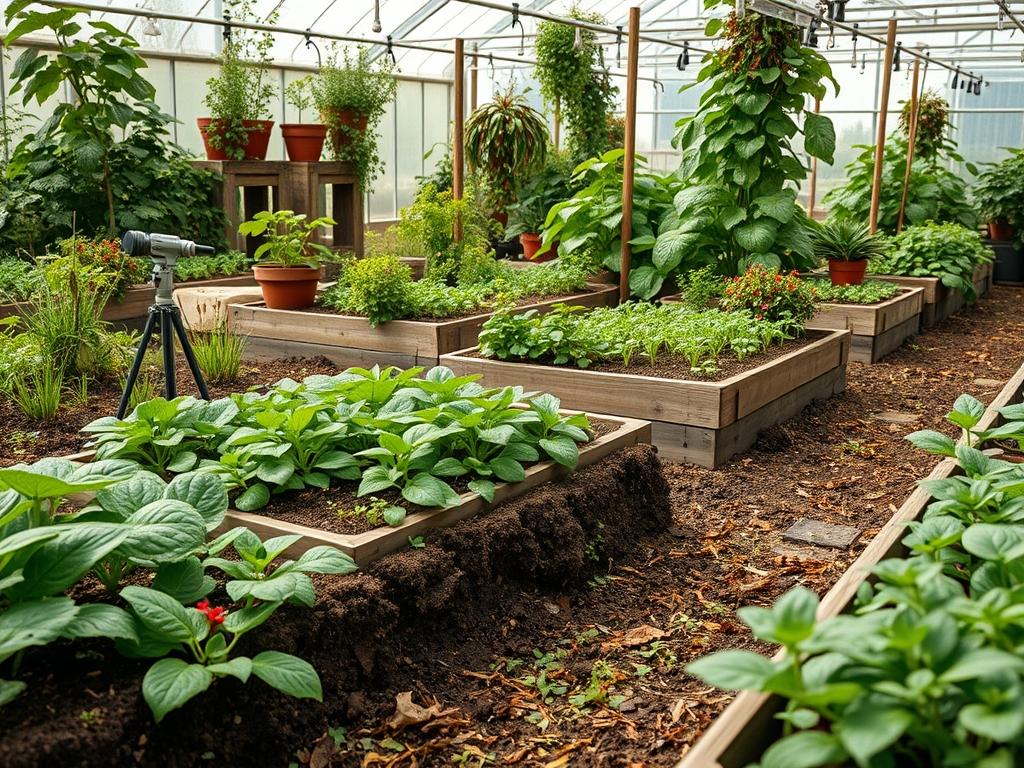
Maintaining a professional landscape involves more than just selecting aesthetically pleasing flora and ensuring symmetrical growth. It requires a deep understanding of the local ecosystem and the biological interactions between soil, moisture, and common insects. Ants, while vital for soil aeration and the decomposition of organic matter, often become a significant nuisance when they migrate from the garden to the interior of the home. As a landscape architect, the goal is to create a transition zone that balances curb appeal with effective pest management. This involves strategic planning of the physical environment, using natural barriers and repellent plant species to steer colonies away from the foundation. By integrating these deterrents into the overall site plan, homeowners can enjoy a functional outdoor living space without the heavy reliance on synthetic chemical applications which can degrade soil health and harm beneficial pollinators.
Effective natural ant management begins at the property line and works inward toward the building envelope. We must consider the microclimates created by the shadows of the house, the moisture levels near downspouts, and the organic material density in flower beds. A well-designed landscape utilizes elevation and drainage to ensure that water does not pool near the home, as excess moisture is a primary attractant for many ant species, including carpenter ants. By selecting specific Native Plants and implementing hardscape features like Crushed Stone or River Rock, we create a dry, inhospitable perimeter that serves as the first line of defense. The following strategies provide a comprehensive approach to natural deterrents, blending horticultural science with structural design.
Landscape Design Principles
In professional site planning, the principles of symmetry and focal points are often used to guide the eye, but they also serve a functional role in pest suppression. A symmetrical layout allows for easier monitoring of the property. When the landscape is balanced, anomalies such as mounds or sudden plant stress become immediately visible. We utilize elevation layers to ensure that the soil grade slopes away from the foundation at a minimum of 1 inch of drop for every 1 foot of horizontal distance. This prevents the “moat effect” where water saturates the soil directly against the house, creating a breeding ground for insects.
Walkways and hardscaping act as significant biological barriers. By installing a 4 inch deep sub-base of Crushed Limestone beneath pavers, we create a high-alkalinity environment that ants find difficult to navigate. Furthermore, the use of focal points, such as raised planters or decorative urns, allows for the concentrated growth of repellent herbs like Rosemary or Lavender at head-height or entry points. These tactile and aromatic elements provide sensory interest while functioning as part of a multi-layered defense strategy. Irrigation planning is equally critical; we prefer drip irrigation systems over oscillating sprinklers to deliver water directly to the root zones of plants, keeping the surface soil dry and less attractive to scouting ants.
Plant and Material Selection
The following table outlines the specific plant species and materials used to naturally deter ants while maintaining high aesthetic standards in a residential landscape.
| Plant Type | Sun Exposure | Soil Needs | Water Demand | Growth Speed | Maintenance |
| :— | :— | :— | :— | :— | :— |
| Peppermint | Full Sun to Partial Shade | Moist, Rich | High | Fast | High (Invasive) |
| Lavender | Full Sun | Well-drained, Sandy | Low | Moderate | Low |
| Chrysanthemums | Full Sun | Well-drained, Fertile | Moderate | Moderate | Moderate |
| Rosemary | Full Sun | Sandy, Loamy | Low | Moderate | Low |
| Spearmint | Partial Shade | Moist | High | Fast | High |
| Catnip | Full Sun | Average, Well-drained | Low | Fast | Moderate |
| Cedar Mulch | N/A (Material) | N/A | N/A | N/A | Replacement every 2 years |
| Diatomaceous Earth | N/A (Mineral) | Dry Soil | N/A | N/A | Re-apply after rain |
Implementation Strategy
Planning a backyard layout with ant deterrence in mind requires a systematic approach. The first step is grading the site. Use a Transit Level to ensure the ground falls away from the home. Once the grade is established, create a “dry zone” immediately adjacent to the foundation. This should be a 12 inch to 18 inch wide strip of Pea Gravel or Decorative River Rock. By removing organic mulch from this immediate zone, you eliminate the nesting material ants use to bridge the gap between the soil and your siding.
Beyond the dry zone, introduce a layer of Cedar Mulch at a depth of exactly 2 inches. Cedar contains natural oils such as thujone, which acts as a repellent for several years before the wood begins to break down. When planting, group your deterrent species such as Chrysanthemums near doorways and windows. These flowers contain pyrethrum, a natural insecticide. For structural edging, use Steel Edging or Treated Timbers to define the beds. This helps contain the roots of aggressive spreaders like Peppermint. If you are installing a patio, fill the joints between your Flagstone or Pavers with Polymeric Sand mixed with a light dusting of Diatomaceous Earth. This creates a physical and abrasive barrier that prevents ants from nesting in the sand beneath the hardscape.
For drainage, install a French Drain system if you have low spots that retain water for more than 24 hours after a rain event. Use a 4 inch perforated pipe encased in a filter fabric “sock” and surrounded by 1 inch clean gravel. This directs subsurface water away from the house, maintaining a dry environment that discourages colony establishment. Finally, integrate “scent trails” of aromatic plants along the primary walkways, ensuring that the natural oils are released whenever someone brushes against the foliage, further disrupting ant pheromone paths.
Common Landscaping Failures
One of the most frequent mistakes in residential landscaping is the over-application of organic mulch. While mulch is excellent for moisture retention, applying it thicker than 3 inches or piling it against the stems of shrubs and the foundation of the house creates a dark, damp, and protected environment for ants. This “mulch volcano” effect is a primary cause of carpenter ant infestations. Another common failure is improper irrigation timing. Watering late in the evening leaves the soil surface damp overnight, which is the peak activity time for many ant species. We recommend morning irrigation to allow the sun to dry the top layer of soil.
Root overcrowding and poor plant spacing also contribute to the problem. When plants are crowded, air circulation is restricted. This lack of airflow leads to higher humidity at the soil level and increases the likelihood of aphids. Many ants have a symbiotic relationship with aphids, “farming” them for the sweet honeydew they produce. By maintaining proper spacing of at least 2 feet between mature shrubs, you increase airflow and reduce the aphid populations that attract ants. Lastly, soil compaction from heavy foot traffic can create thatch layers in the lawn where ants love to build shallow nests. Regularly aerating the soil with a Core Aerator ensures that oxygen reached the roots and prevents the dense surface layers that protect insect colonies.
Seasonal Maintenance
Seasonal management is the key to long term success. In the Spring, conduct a thorough cleanup of the landscape. Remove any leaf litter or fallen branches that may have accumulated over winter, as these are prime nesting sites. This is also the time to apply a fresh 1 inch top-dressing of Cedar Mulch and check the integrity of your hardscape joints. Ensure that your irrigation system is pressurized and that no leaks are creating saturated “hot spots” near the foundation.
During the Summer, focus on moisture management. Monitor the “dry zone” gravel strips to ensure no weeds are growing there; weeds provide a physical bridge for ants. If you notice ant activity, a localized application of a White Vinegar and water solution can disrupt their scent trails without damaging the soil chemistry. In the Autumn, prune any overhanging tree limbs that come within 3 feet of the roof or siding. These limbs act as highways for arboreal ants seeking warmth as the temperatures drop. Finally, in the Winter, inspect the grading. Heavy snow or ice can sometimes displace soil and gravel. Re-level any areas where water might pool during the spring thaw, ensuring your structural barriers remain intact for the coming year.
Professional Landscaping FAQ
How does cedar mulch specifically repel ants?
Cedar Mulch contains thujone and other aromatic hydrocarbons. These natural oils are toxic to several insect species and act as a strong olfactory deterrent, discouraging ants from nesting in the material or crossing it to reach your home.
Can peppermint plants become a problem in my garden?
Yes. Peppermint and other mint species are aggressive spreaders. To prevent them from taking over your landscape, plant them in Bottomless Buckets or designated containers buried in the ground to contain their runners while still utilizing their repellent properties effectively.
What is the best way to use Diatomaceous Earth outdoors?
Use Food-Grade Diatomaceous Earth in dry areas such as under porch steps or in the gaps between pavers. It is a mechanical deterrent made of fossilized algae that abrades the exoskeleton of insects, but it must be reapplied if it becomes wet.
Does white vinegar harm my plants when used as a deterrent?
White Vinegar is an acid and can act as a herbicide if sprayed directly on foliage. For ant control, use it only on hard surfaces or as a very localized soil drench near foundations where no desirable plants are growing.
Why is drainage so important for ant control?
Most pest ants are attracted to consistent moisture sources. By managing your Grade and using French Drains, you eliminate the damp soil conditions required for colony survival, forcing the ants to move further away from the house to find water.