Integrating a productive kitchen garden into a high-end landscape requires a balance between aesthetic symmetry and biological necessity. When a client expresses interest in Saving Cucumber Seeds, the landscape architect must account for a specific biological timeline that differs significantly from standard culinary harvesting. Most homeowners recognize cucumbers as crisp, green additions to a summer salad, harvested while the seeds are immature and the flesh is tender. However, from a botanical and site-planning perspective, true seed maturity requires the fruit to remain on the vine long after the edible stage has passed. This creates a unique challenge for those managing the visual appeal of a property. These over-ripe fruits often turn a vibrant orange or dull yellow, growing to massive proportions and potentially disrupting the clean lines of a well-manicured garden.
The landscape professional must plan for this transition by designating zones where the natural lifecycle of the plant can occur without compromising the overall design. Successful seed saving begins with understanding that physiological maturity in Cucumis sativus occurs only when the fruit undergoes a complete color shift and the outer rind hardens. During this phase, the plant redirects its energy from vegetative growth to reproductive completion. If a designer fails to account for this extended residency in the garden beds, the result is often a cluttered appearance that clashes with more formal elements of the outdoor living space. By treating the seed-saving patch as a functional “nursery” area, we can ensure that the biological requirements of the plant are met while maintaining the structural integrity of the landscape.
Landscape Design Principles
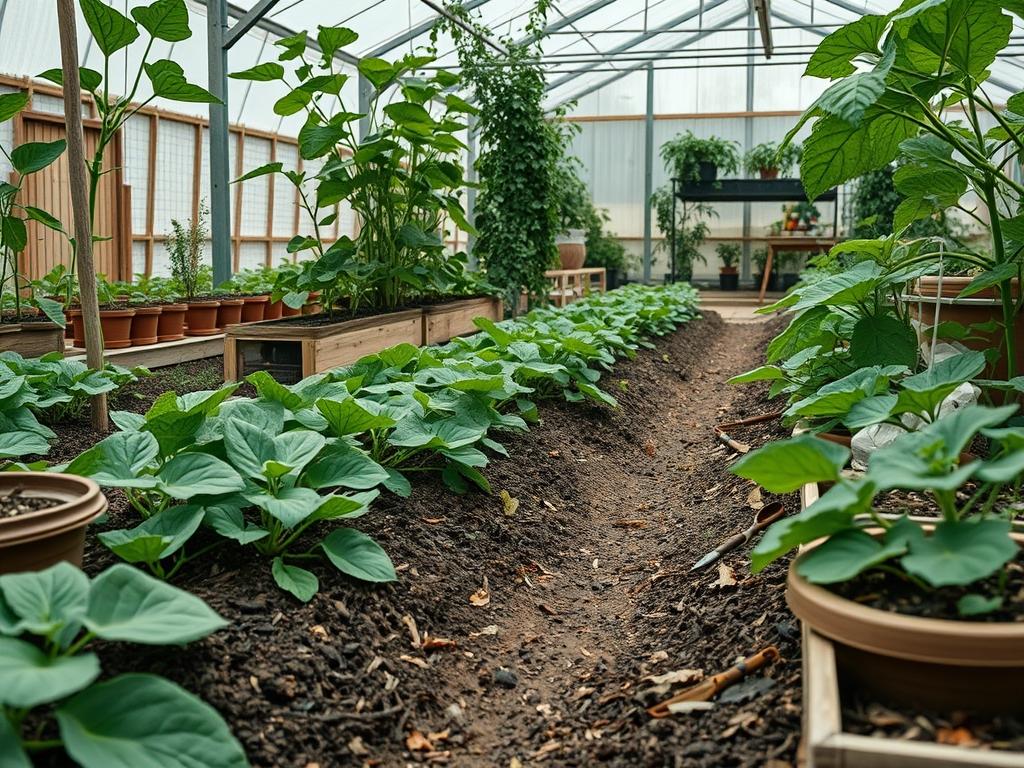
Incorporating a seed-saving program into a residential or commercial landscape demands a thoughtful approach to zoning and spatial organization. We utilize the concept of “productive layers” to ensure that the garden remains functional throughout the entire growing season. Symmetry plays a vital role here; by flanking a central walkway with identical raised beds, the designer can use one side for production and the other for seed maturation. This creates a sense of intentionality, making the yellowing, over-ripe cucumbers look like a deliberate part of the harvest cycle rather than a neglected crop.
Focal points are equally important. When cucumbers are left to over-ripen, the vines can begin to look ragged or senescent as the plant nears the end of its life. To mitigate this, we install high-quality vertical structures such as powder-coated steel obelisks or heavy-duty timber trellises. These elements provide a permanent architectural frame that draws the eye upward, away from the drying foliage. Furthermore, irrigation planning must be precise. Over-ripening fruit requires consistent moisture to ensure the seeds developing inside are plump and viable, yet excessive water on the leaves can lead to powdery mildew, which ruins the visual appeal. Drip irrigation lines buried under two inches of hardwood mulch offer the best solution, delivering water directly to the root zone without disturbing the aesthetic surface.
Plant and Material Selection
The following table outlines primary selections for a dual-purpose landscape that supports both aesthetic beauty and seed preservation.
| Plant Type | Sun Exposure | Soil Needs | Water Demand | Growth Speed | Maintenance Level |
| :— | :— | :— | :— | :— | :— |
| Cucumis sativus | Full Sun | Rich, well-drained | 1-2 inches/week | Rapid | Moderate |
| Lavandula angustifolia | Full Sun | Gritty, alkaline | Low | Moderate | Low |
| Rosmarinus officinalis | Full Sun | Sandy loam | Low | Moderate | Low |
| Phaseolus vulgaris | Partial Sun | Loamy | Moderate | Fast | Low |
| Echinacea purpurea | Full Sun | Adaptable | Low | Medium | Low |
Selecting the right cultivar for Saving Cucumber Seeds is essential for long-term success. Heirloom varieties are the preferred choice, as they will grow true to type, whereas hybrid seeds may produce unpredictable results in subsequent seasons. When choosing materials for the garden beds, we recommend Western Red Cedar or Cor-Ten steel, both of which offer durability and a professional finish that complements the organic nature of the plants.
Implementation Strategy
The transition from a design on paper to a functional backyard layout requires meticulous attention to site preparation and grading. Begin by evaluating the topography of the area. Most edible plants, including those grown for seed, require excellent drainage to prevent root rot during the extended over-ripening period. We typically recommend a slight 2 percent grade away from the center of the garden to ensure water does not pool around the base of the trellises.
Once the grading is complete, the installation of hardscaping elements like stone walkways or aggregate paths provides a clean border for the garden beds. For the cucumber zone, we implement a deep-mulching strategy, applying three inches of organic matter once the soil has warmed. This suppresses weeds and keeps the maturing fruit off the damp earth, which is vital when Saving Cucumber Seeds. If the fruit sits on wet soil while ripening, it can rot before the seeds reach maturity. As the fruit grows past its edible stage, it will become heavy; therefore, the trellising must be anchored at least 18 inches deep with concrete or heavy-duty ground screws. This prevents the weight of multiple massive, over-ripe cucumbers from toppling the structure during late-summer storms.
Common Landscaping Failures
One of the most frequent mistakes in productive landscaping is improper spacing. When plants are crowded, airflow is restricted, leading to fungal pathogens that can kill the vine before the seeds are ready for harvest. For a seed-saving operation, we recommend spacing cucumber plants at least 12 to 18 inches apart on a vertical trellis. Another common failure is neglecting the soil’s nutrient profile during the late stages of growth. Many hobbyists stop fertilizing once they see fruit, but the process of maturing seeds is chemically intensive for the plant. A lack of potassium or phosphorus at this stage can result in hollow or non-viable seeds.
Irrigation inefficiencies also rank high among landscape failures. Overhead watering is a major culprit in garden decline. By using a timer-based drip system, the professional ensures that the landscape remains hydrated during the heat of July and August without promoting leaf disease. Finally, soil compaction caused by frequent foot traffic around the beds can stifle root respiration. We solve this by installing permanent flagstone “steppers” within the beds, allowing the gardener to reach the over-ripe fruit without compressing the delicate soil structure.
Seasonal Maintenance
Seasonal management is the hallmark of a professional outdoor environment. In the spring, the focus is on soil preparation and installation. We test the pH and amend the beds with high-quality compost to provide a nitrogen-rich environment for early vegetative growth. As summer progresses, the task shifts to monitoring the health of the vines and ensuring that fruit intended for Saving Cucumber Seeds is clearly marked. We often use colored twine or small tags to identify which cucumbers should not be picked for salads.
Autumn is the critical period for the seed-saving landscape. This is when the over-ripe fruit is finally harvested. The fruit is sliced, and the seeds are fermented in water for two to three days to remove the protective gel coating, a process that mimics natural decay. Once the seeds are cleaned and dried, the spent vines are removed, and the trellises are wiped down with a mild disinfectant. Winter maintenance involves protecting the soil from erosion. We recommend planting a cover crop like winter rye or applying a thick layer of straw to maintain the microbial life until the following spring.
Professional Landscaping FAQ
How do I know when cucumber seeds are ready to harvest?
The fruit must remain on the vine until it completely changes color, usually to a deep yellow or orange. The skin will feel hard and the stem will start to wither, indicating that the seeds have reached full physiological maturity.
Does leaving fruit to over-ripen stop more cucumbers from growing?
Yes, once a plant begins the process of maturing seeds, it redirects its energy away from producing new blossoms. To balance this, we recommend dedicated plants for harvest and separate plants specifically for seed preservation within your landscape plan.
Can I save seeds from store-bought cucumbers?
Most store-bought cucumbers are harvested far too early for seed viability. Additionally, they are often hybrid varieties or treated with wax, making them unsuitable for home seed saving. It is best to start with organic, heirloom seeds in your own garden.
How should I store saved cucumber seeds over winter?
Once the seeds are cleaned and completely brittle-dry, store them in a glass jar or airtight envelope. Keep the container in a cool, dark, and dry location, such as a basement or a climate-controlled pantry, to maintain high germination rates.
What is the best trellis material for heavy, over-ripe fruit?
We recommend 4-gauge cattle panels or heavy-duty cedar lattices. These materials offer the structural integrity needed to support the significant weight of over-ripe cucumbers, which can become three to four times heavier than their standard edible weight during the maturation process.