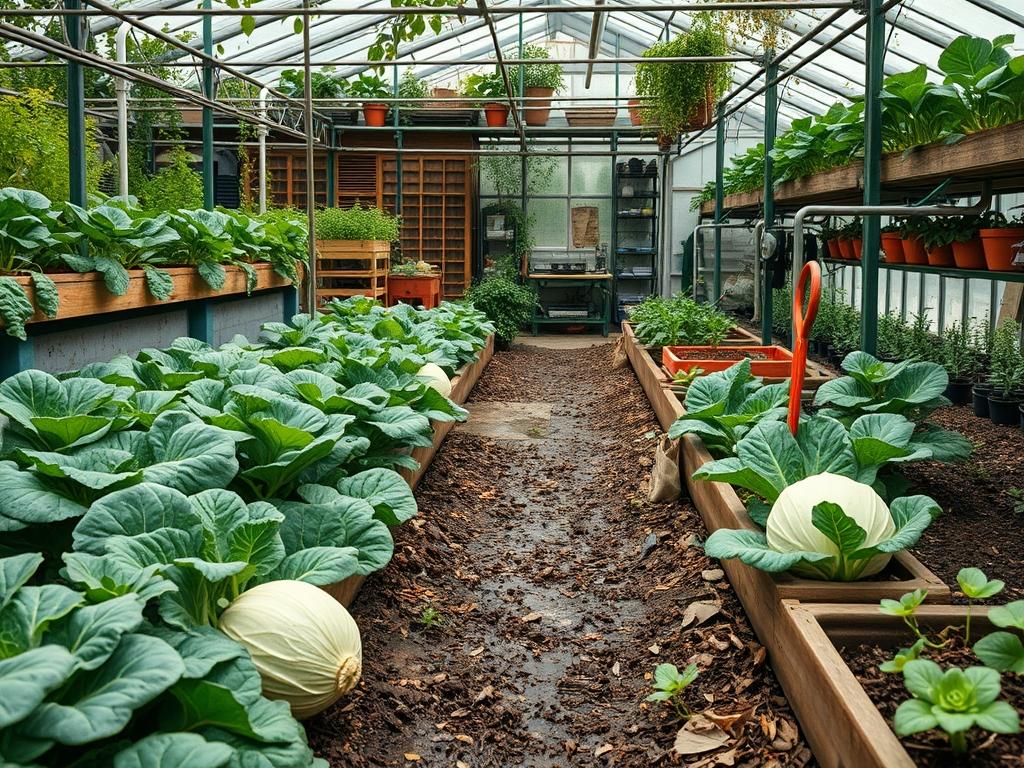
Integrating functional agrarian elements into a contemporary residential landscape requires more than just a shovel and a patch of dirt; it demands a holistic understanding of thermal mass, site grading, and the specific microclimates present in a backyard. While modern refrigeration offers convenience, it often fails to provide the precise humidity and temperature stability required for long term vegetable preservation. This is where Ancestral Cabbage Storage in trenches proves its superiority. By utilizing the natural insulation of the soil, we create a subterranean environment that stays cool but never freezes. For a homeowner, this is not merely an exercise in self sufficiency; it is an opportunity to design a productive landscape that harmonizes with the natural contours of the property. The challenge for a landscape architect is to position these functional storage features so they remain accessible during the harshest winter months while still contributing to the overall curb appeal and outdoor functionality of the site. Proper placement ensures that the trench does not interfere with the visual symmetry of the garden or create drainage issues that could undermine the integrity of nearby hardscaping.
In the context of garden planning, we must view the storage trench as a structural component rather than a hole in the ground. Climate considerations are paramount. In northern zones, the depth of the frost line dictates the necessary elevation and depth of the storage unit. To maintain high functionality, the design should incorporate subtle grading to direct surface runoff away from the trench opening. From an aesthetic perspective, a well designed storage area can be hidden beneath a decorative parterre or integrated into a retaining wall system, transforming a utilitarian necessity into a sophisticated landscape feature. By focusing on the intersection of ancient agricultural wisdom and modern site engineering, we can create an outdoor environment that is both beautiful and highly productive.
Landscape Design Principles
When integrating Ancestral Cabbage Storage into a master landscape plan, the principle of symmetry serves as a vital tool for visual organization. A storage trench should not be a random scar on the lawn; instead, it can be framed by low hedges or stone pathways to create a sense of purpose and order. Using the trench location as a hidden focal point allows the designer to guide the eye toward more ornamental aspects of the garden while maintaining easy access to the produce. This balance between the hidden and the visible is a hallmark of professional landscape architecture.
Elevation layers are equally important. By placing the storage area on a slightly elevated subterranean plane, we avoid the risk of water pooling, which would lead to rot. We often use the excavated soil from the trench to create berms or raised beds nearby, creating a layered effect that adds depth to the backyard. Irrigation planning must also be adjusted; the area immediately surrounding the storage trench should be kept relatively dry compared to the rest of the garden to prevent moisture from seeping through the pit walls. Walkways should consist of permeable materials, like crushed limestone or decomposed granite, to provide a stable, mud free path to the storage site regardless of the weather.
Plant and Material Selection
Selecting the right materials and companion plants is essential for a successful storage trench. The plants surrounding the area should have non invasive root systems to avoid penetrating the storage walls.
| Plant Type | Sun Exposure | Soil Needs | Water Demand | Growth Speed | Maintenance Level |
| :— | :— | :— | :— | :— | :— |
| Late Flat Dutch Cabbage | Full Sun | Rich, heavy loam | 1 to 2 inches weekly | 90 to 110 days | Moderate |
| Common Boxwood | Partial Shade | Well drained loam | Low to Medium | Slow | Moderate |
| Creeping Thyme | Full Sun | Sandy or gritty | Low | Fast | Low |
| Perennial Rye Grass | Full Sun | Varied | Medium | Very Fast | High |
| Japanese Yew | Full to Part Shade | Loamy, well drained | Medium | Slow | Low |
The choice of materials for the trench itself involves Untreated Cedar Boards for stabilization, Clean Wheat Straw for insulation, and Heavy Duty Burlap to prevent soil from mixing with the cabbage heads. We also recommend a 1/4 inch Hardware Cloth to line the bottom and sides, which provides a necessary barrier against burrowing rodents without obstructing the natural cooling properties of the earth.
Implementation Strategy
The successful implementation of an Ancestral Cabbage Storage system begins with an accurate site analysis. Use a Laser Level to identify the highest point of work, ensuring the trench is not located in a low spot where water collects. Begin the physical layout by marking a rectangle approximately 24 inches wide and 36 inches long. For a professional finish, the edges should be cut cleanly with a Manual Edging Tool to prevent the surrounding turf from collapsing.
Excavate the soil to a depth of at least 24 inches, but no more than 48 inches, depending on your local frost line. The sides of the trench should be slightly tapered, wider at the top than at the bottom, to increase stability. Once the hole is dug, install a 4 inch layer of gravel at the base to facilitate drainage. Line the walls with Rot Resistant Wood or Stacked Fieldstone to prevent cave-ins. Place the cabbages roots up or roots down, depending on your preference, and surround them with 12 inches of loose straw. Finally, cover the trench with a Wooden Lid and a layer of Heavy Mulch or Evergreen Boughs for additional insulation. This layered approach ensures that the produce remains at a steady 34 to 40 degrees Fahrenheit throughout the season.
Common Landscaping Failures
The most frequent mistake in trench storage is a failure to account for site drainage. If the trench is located at the base of a slope, it will act as a collection basin for every rain event, leading to anaerobic conditions and ruined food. Another common error is soil compaction. In high traffic areas, the weight of people walking near the trench can compress the soil, reducing its insulating capacity and potentially crushing the storage walls.
Root overcrowding is another significant issue. Planting large trees like Oaks or Maples within 15 feet of a storage trench can lead to structural damage as roots seek out the moisture and air space within the pit. Furthermore, many DIY installers forget the importance of ventilation. Without a small PVC Pipe or a gap in the lid to allow for gas exchange, ethylene buildup can cause the cabbage to spoil prematurely. Finally, improper spacing between stored items can lead to cross contamination; if one head begins to decay, a lack of adequate separation will allow the rot to spread rapidly to the entire harvest.
Seasonal Maintenance
Landscape management for a storage trench changes with the solstices. In the spring, once the storage is empty, it is critical to remove all organic bedding like Straw or Pine Needles to prevent the buildup of mold and pests. Inspect the structural walls for any shifting caused by the winter freeze thaw cycle. This is also the time to refresh the surrounding Hardwood Mulch and prune any nearby shrubs to maintain clear access path.
During the summer, the focus shifts to moisture control. Ensure that your irrigation system is not spraying directly into the trench area. In autumn, the trench must be prepped for the coming cold. This involves checking the lid for gaps and ensuring you have an ample supply of Dry Insulating Material. During the winter, the primary task is snow management. Clear a path to the trench immediately after any significant snowfall so that the lid remains accessible. Do not use De-Icing Salts near the trench, as the runoff can leach into the soil and contaminate the stored produce; stick to Sand or Coarse Gravel for traction.
Professional Landscaping FAQ
How deep should I dig my cabbage storage trench?
The trench should be at least 24 inches deep. However, in regions with extreme winters, you must dig below the local frost line, often reaching 3 or 4 feet, to ensure the soil provides adequate geothermal warmth for the produce.
Will a storage trench attract rodents to my garden?
While organic matter can attract pests, you can prevent this by lining the trench with 1/4 inch galvanized hardware cloth. This metal barrier is small enough to stop mice and voles while allowing the earth to regulate temperature and humidity effectively.
Can I store other vegetables in the same trench?
Yes, you can store root crops like Carrots, Potatoes, and Beets alongside cabbage. However, you should use Cedar Dividers to keep them separate, as different vegetables release varying levels of ethylene gas which can affect the shelf life of neighboring items.
Does a storage trench impact my property value?
When integrated into a professional landscape design with Stone Edging and Decorative Lids, a storage trench is viewed as a high end sustainable feature. It adds functional value to the outdoor environment without detracting from the aesthetic or structural integrity of the home.
How do I prevent the trench from flooding during heavy rain?
Position the trench on a high point of your landscape and use French Drains or Graded Swales to redirect water. Adding a 6 inch layer of gravel at the bottom of the pit ensures that any incidental moisture drains away quickly.