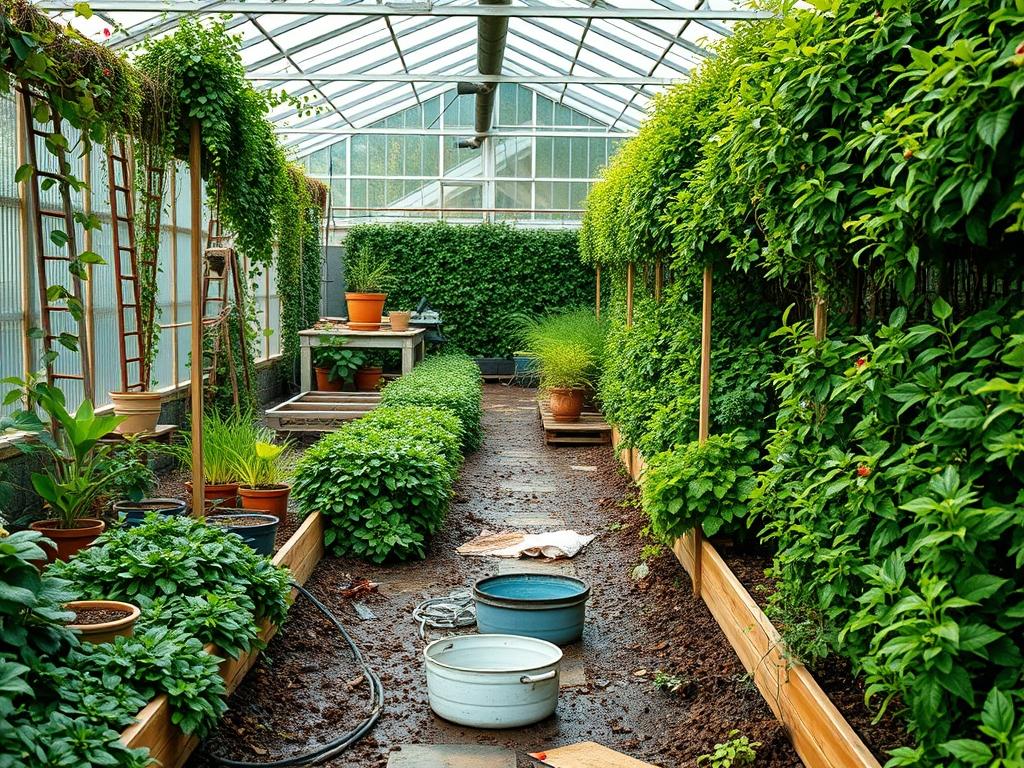
Designing a perimeter that satisfies both aesthetic requirements and ecological functionality represents one of the most rewarding challenges in modern landscape architecture. Homeowners and developers frequently search for ways to mitigate the presence of mosquitoes, aphids, and midges without resorting to synthetic chemical barriers that can degrade local soil health. Natural pest repelling hedges serve as a biological tactical layer within the outdoor environment, utilizing the volatile organic compounds found in aromatic herbs to disrupt the sensory receptors of invasive insects. When we approach these installations, we are not merely planting a screen; we are engineering a living olfactory fence. This approach enhances curb appeal while simultaneously fortifying the outdoor living space against environmental stressors. A well planned hedge acts as a transition point between high traffic hardscape areas and the softer, more vulnerable interior garden beds.
Success in these projects requires a deep understanding of local microclimates and the specific topography of the site. A hedge that thrives in the well drained, sandy soils of a coastal property may struggle in the heavy clay deposits of an inland valley. By selecting woody herbs that are native or adaptive to the region, we ensure long term viability and minimize the need for supplemental resources. Architects must balance the verticality of the hedge with the horizontal lines of the architecture to create a sense of permanence and security. Beyond the biological benefits, these hedges provide windbreaks and sound attenuation, turning a standard backyard into a structured, serene sanctuary.
Landscape Design Principles
Effective landscaping relies on the core concepts of symmetry and visual weight. When designing natural pest repelling hedges, we often use formal symmetry to guide the eye toward a central focal point, such as a water feature or a stone sculpture. A structured hedge of Rosemary or Bay Laurel can frame a view, creating a sense of arrival. Conversely, an asymmetrical arrangement might utilize staggered heights to mimic a more natural forest edge, providing a softer transition that feels integrated with the surrounding wilderness.
Elevation layers are critical for creating depth within a smaller outdoor footprint. We typically design in three distinct tiers. The foreground consists of low growing groundcovers like Thyme or Santolina; the mid ground features the primary pest repelling shrubs; and the background may include taller deciduous or evergreen trees. This layering prevents the “wall effect” where a single flat plane of greenery feels oppressive or claustrophobic. By varying the heights, we also create different habitats for beneficial predatory insects like lacewings and ladybugs, which assist in managing the pest population naturally.
Visual balance must be paired with functional infrastructure. This includes strategic irrigation planning to ensure that the aromatic herbs receive the specific moisture levels required to produce their repelling oils. We advocate for hydrozoning, which is the practice of grouping plants with similar water requirements together. This prevents the overwatering of drought tolerant species like Lavender while ensuring thirstier plants nearby remain hydrated. Walkways should be integrated into the hedge design to allow for maintenance access and to encourage human interaction with the plants. Brushing against these aromatic hedges releases their essential oils, further enhancing the pest repelling effect in the immediate area.
Plant and Material Selection
Selecting the right biological components is the most significant phase of the planning process. The following table provides a breakdown of the most resilient herbs used in natural pest repelling hedges.
| Plant Type | Sun Exposure | Soil Needs | Water Demand | Growth Speed | Maintenance Level |
| :— | :— | :— | :— | :— | :— |
| Rosemary | Full Sun | Well Drained, Sandy | Low | Moderate | Low |
| Lavender | Full Sun | Gritty, Alkaline | Low | Moderate | Medium |
| Bay Laurel | Full/Partial Sun | Rich, Loamy | Moderate | Slow | Low |
| Lemongrass | Full Sun | Moist, Fertile | High | Fast | Moderate |
| Sage | Full Sun | Sandy, Dry | Low | Moderate | Medium |
| Sweet Bay | Partial Sun | Humus Rich | Moderate | Slow | Low |
| Santolina | Full Sun | Poor, Rocky | Very Low | Fast | Low |
For the structural components of the hedge, you will need High Quality Topsoil, Double Shredded Hardwood Mulch, and Drip Irrigation Tubing. The choice of materials should reflect the harshness of the environment. In areas with high wind, T-posts or Bamboo Stakes might be required during the first two growing seasons to ensure the hedge establishes a straight, upright habit.
Implementation Strategy
The implementation of a professional grade hedge begins with precise site analysis and grading. You must ensure that the area for the hedge is graded away from the home at a minimum slope of two percent. This prevents water from pooling at the base of the stems, which is a common cause of fungal root rot in Mediterranean herbs. After grading, a String Line and Level are used to mark the exact perimeter of the hedge to ensure a straight and professional finish.
Once the layout is established, we begin trenching. Rather than digging individual holes, a continuous trench allows for better root expansion and uniform soil distribution. The trench should be twice the width of the root balls and exactly the same depth. If the local soil is heavily compacted, we mix in Coarse Sand and Organic Compost to improve aeration. Before placing the plants, we install the Drip Irrigation system along the bottom of the trench, ensuring that each plant will have a dedicated emitter.
Spacing is the next critical factor. For a dense hedge, Rosemary and Lavender should be spaced approximately 18 to 24 inches apart on center. This allows the plants to grow into one another, creating a seamless wall. Once the plants are in the ground, apply a layer of Mulch at a depth of 2 to 3 inches. Be careful to keep the mulch away from the actual trunk or stems of the plants to prevent moisture traps that lead to bark decay. Finally, the installation of Steel Edging or Stone Borders provides a clean line between the hedge and the lawn, preventing grass from infiltrating the root zone.
Common Landscaping Failures
One of the most frequent errors in hedge design is improper drainage. Many aromatic herbs are native to dry, rocky climates and will perish quickly if their roots sit in stagnant water. If your site has heavy clay, you must install a French Drain or slightly elevate the hedge in a Raised Planter to facilitate drainage. Soil compaction is another silent killer. During construction, heavy machinery can crush the micro pores in the soil, preventing oxygen from reaching the roots. We recommend using a Broadfork to aerate the area manually before planting.
Root overcrowding occurs when a designer attempts to achieve an “instant” hedge by planting too closely together. While this looks good for the first six months, the plants will eventually compete for the same nutrients and water, leading to thinning at the base and increased susceptibility to disease. Irrigation inefficiencies, such as using overhead sprinklers rather than drip systems, lead to wet foliage. Constant moisture on the leaves of Sage or Lavender invites powdery mildew and significantly reduces the longevity of the installation.
Seasonal Maintenance
Landscape management is a year round commitment that changes with the solar cycle. In the Spring, the focus is on rejuvenation. Perform a hard prune on winter damaged branches and apply a Slow Release Nitrogen Fertilizer to stimulate new growth. This is also the time to check your Irrigation Controller for any leaks or blocked emitters that may have occurred over the winter.
During the Summer, the primary goal is moisture management. The sun can quickly deplete the soil of water, and while these herbs are drought tolerant, they need consistent hydration to maintain their oil production. Monitor the Mulch depth and replenish it if it has decomposed significantly. In Autumn, prune the hedge one last time to shape it and remove spent flower stalks, but avoid heavy cutting that might stimulate new growth right before a frost. Finally, in Winter, reduce watering significantly and ensure the base of the plants is protected from extreme temperature fluctuations using a layer of Straw or Pine Bark.
Professional Landscaping FAQ
Which herb provides the strongest repelling effect?
Rosemary is widely considered the most effective for hedges due to its high concentration of cineole. This chemical compound acts as a deterrent for many flying insects while providing a dense, evergreen structure that lasts throughout the entire year.
How do I prevent my hedge from becoming leggy?
Leggy growth is prevented by consistent, light pruning and ensuring the plants receive adequate sunlight. You should trim the top third of the new growth twice a year to encourage the plant to branch out at the lower base.
Can I mix different herbs in one hedge?
Yes, but you must match their cultural requirements. Pairing Lavender with Santolina works well because they both prefer dry, alkaline soil. Mixing high water plants with drought tolerant ones will lead to the eventual failure of one species.
What is the best mulch for aromatic herbs?
Pea Gravel or Crushed Stone is often superior for aromatic herbs because it reflects heat upward and does not hold moisture against the stems. If you prefer organic options, use a thin layer of Pine Bark Minis.
How long does it take for a hedge to fill in?
Most professional herb hedges will reach full closure within two to three growing seasons. Growth speed depends on soil quality and the efficiency of the Irrigation system, but moderate spacing usually results in a solid wall by year three.