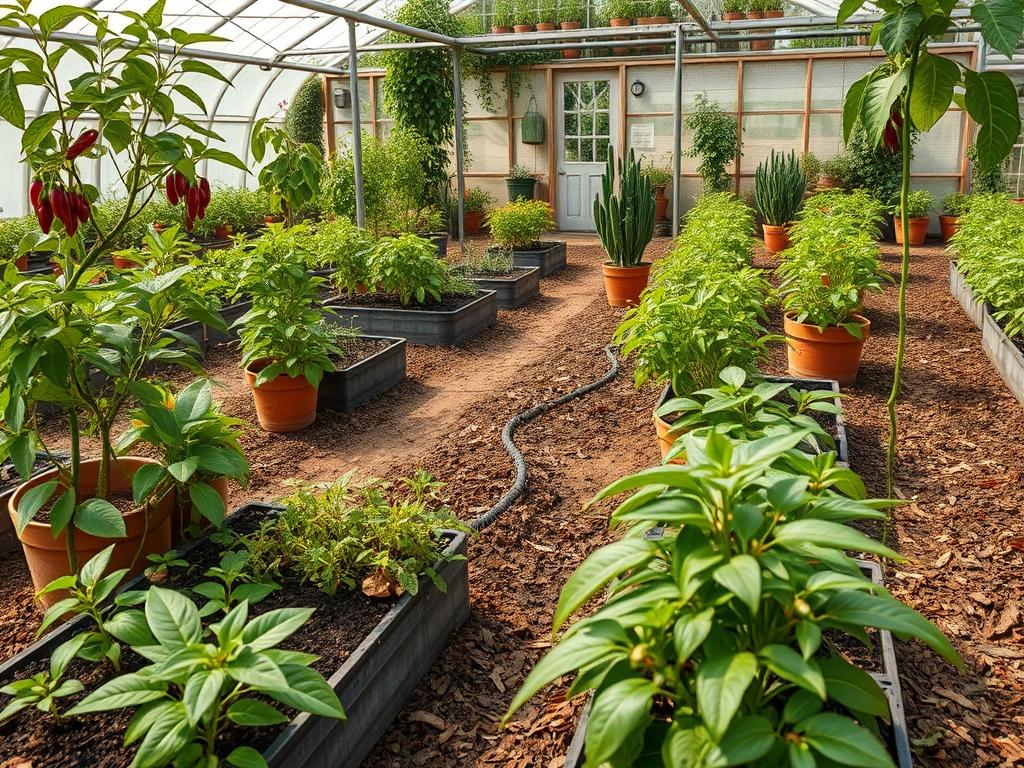
Building an outdoor environment that serves both aesthetic and conservation purposes requires a nuanced understanding of spatial ecology. When the primary objective involves saving rare chili varieties, the landscape architect must pivot from purely ornamental goals to a strategy defined by biological isolation. Most residential gardens are designed for visual unity, yet a conservation focused landscape demands fragmentation to prevent cross pollination. This challenge forces a reconciliation between curb appeal and scientific necessity. Designers must account for wind patterns, pollinator behavior, and microclimates while ensuring the property remains a functional, beautiful space for the homeowners. The preservation of genetic integrity in species like the Capsicum chinense or rare heirloom Capsicum annuum requires more than just a dedicated patch of soil. It necessitates a master plan where physical distance and structural barriers dictate the flow of the garden.
Climate considerations play a pivotal role in this specialized landscape design. Chilis are tropical perennials often grown as annuals in temperate zones, meaning the architectural layout must maximize heat retention while providing adequate airflow. In professional landscaping, this is achieved through the strategic placement of thermal mass like stone retaining walls or brick pavers. These elements absorb solar energy during the day and radiate it back to the plants at night. When saving rare chili varieties, the designer must also consider how these structural choices impact the isolation requirements. A wall is not just a boundary; it is a windbreak that can prevent airborne pollen from traveling between different cultivars. By integrating these functional needs into the overall outdoor living space, we create a landscape that is both a sanctuary for biodiversity and a high value asset to the property.
Landscape Design Principles
The architectural logic of an isolation garden rests on the principle of spatial segregation. To maintain the purity of rare seeds, different varieties must be separated by specific distances or physical obstructions. Symmetry can be used to create mirrored “isolation zones” on opposite sides of a property. For instance, placing a Carolina Reaper bed in the northeast corner and a Fish Pepper patch in the southwest corner utilizes the maximum diagonal distance of the lot. This visual balance satisfies aesthetic requirements while functionally reducing the risk of accidental hybridization. Each zone serves as a distinct focal point, anchored by high quality weathered steel edging or natural stone borders that define the transition from turf to cultivation area.
Elevation layers provide another tool for the landscape architect. By utilizing a multi tiered approach, you can create vertical separation that further discourages the movement of crawling insects and low flying pollinators. A raised terrace featuring custom cedar planters can house the most sensitive varieties, while lower level sunken gardens can be reserved for more hardy species. This layering creates visual depth and interest, transforming a functional nursery into a sophisticated botanical gallery. Irrigation planning must be equally precise. Unlike a standard broadcast sprinkler system, an isolation landscape requires drip irrigation with individual emitters. This prevents the splashing of soil and water, which can carry pathogens or unintended pollen between tightly packed specimens.
Walkways serve as the connective tissue between these isolated botanical islands. Using non-pollinator attracting materials like decomposed granite or travertine pavers ensures that the paths do not become secondary habitats for bees that might carry pollen from one zone to another. These paths should be wide enough, at least 4 feet, to allow for maintenance equipment without risk of brushing against the plants. This deliberate spacing ensures that the landscape remains navigable and organized, reflecting a professional standard of care that enhances the overall curb appeal.
Plant and Material Selection
| Plant Type | Sun Exposure | Soil Needs | Water Demand | Growth Speed | Maintenance Level |
| :— | :— | :— | :— | :— | :— |
| Rare Chili (Capsicum) | Full Sun | High Organic, Well-Drained | Moderate (Drip) | Medium | High |
| Boxwood (Buxus) | Full to Part Sun | Loamy, Neutral pH | Low to Moderate | Slow | Medium |
| Lavender (Lavandula) | Full Sun | Sandy, Gritty, Alkaline | Very Low | Medium | Low |
| Star Jasmine (Trachelospermum) | Full to Part Sun | Rich, Moist, Well-Drained | Moderate | Fast | Medium |
| Creeping Thyme (Thymus) | Full Sun | Poor, Well-Drained | Low | Medium | Low |
Implementation Strategy
The execution of an isolation focused landscape begins with precise site grading. Proper drainage is the foundation of any successful garden, especially for chilis which are prone to root rot in standing water. The site should be graded to a 2 percent slope away from the home and the primary cultivation beds. Incorporating a French drain system or a dry creek bed lined with river rock can manage heavy runoff while adding an organic, artisanal element to the design. Once the subgrade is established, the placement of hardscaping elements like retaining walls and flagstone paths provides the skeleton of the garden.
After the hardscape is set, the focus shifts to soil preparation. Saving rare chili varieties requires a tailored medium, often consisting of a mix of sandy loam, compost, and perlite. This mixture should be contained within raised beds or oversized masonry pots to prevent soil borne diseases from migrating through the garden. Edging is then installed to create a crisp line between the planting zones and the lawn. Aluminum edging or Belgian block provides a clean, professional finish that prevents grass from encroaching on the specialized chili beds.
The final step in the implementation strategy is the installation of physical isolation structures if spatial distance is insufficient. For rare varieties situated in smaller landscapes, fine mesh isolation cages can be designed as elegant architectural features rather than utilitarian eyesores. These frames, constructed from powder coated steel or finished teak, can be integrated into the garden’s geometry. Mulching is the finishing touch. A 3 inch layer of shredded cedar mulch or pine bark nuggets helps retain moisture, suppress weeds, and regulate soil temperature, providing the stable environment necessary for the plants to thrive and produce true seeds.
Common Landscaping Failures
One of the most frequent mistakes in garden planning is the failure to account for mature plant size, leading to root overcrowding. When plants are spaced too closely, they compete for nutrients and airflow, increasing the risk of fungal infections. This is particularly detrimental when saving rare chili varieties, as a single outbreak can destroy an entire season’s genetic harvest. Designers must respect the recommended 24 to 36 inch spacing between individual chili plants to ensure healthy development and ease of access for hand pollination if required.
Another common failure is the use of improper mulch or ground cover. Some organic mulches can harbor pests or alter the soil pH in ways that stress the plants. Additionally, the lack of a proper weed barrier under gravel paths can lead to a maintenance nightmare where invasive species compromise the clean lines of the landscape. Irrigation inefficiencies, such as overwatering or using overhead sprayers, also rank high among common failures. These methods not only waste water but also create a humid microclimate that encourages the spread of bacterial leaf spot, a death sentence for rare specimens.
Soil compaction is often overlooked during the construction phase. Heavy machinery used for hardscaping can crush the soil structure, leading to poor drainage and stunted root growth. A professional landscape architect will ensure that planting zones are protected during construction or that the soil is properly aerated with a core aerator or broadfork before any planting begins. Lastly, the absence of a comprehensive drainage plan can result in “bathtub” effects in raised beds, where water collects at the bottom and drowns the root system.
Seasonal Maintenance
Spring is the season for preparation and soil amendment. As the ground warms, apply a layer of well rotted manure or organic compost to the beds. This is also the time to inspect irrigation lines for leaks and clean any filters in the drip system. For those in colder climates, spring maintenance involves hardening off chili seedlings before they move from the greenhouse to their permanent outdoor isolation zones. Pruning of structural shrubs and boxwood hedges should be completed early to maintain the garden’s formal lines before the chilis dominate the visual space.
Summer maintenance focuses on water management and pest monitoring. During peak heat, the drip irrigation system should be calibrated to deliver water early in the morning to minimize evaporation. Regular scouting for pests like aphids or hornworms is essential. Because we are focused on saving rare chili varieties, organic pest control methods like neem oil or beneficial insects are preferred to avoid damaging the delicate ecosystem of the garden. Deadheading of ornamental companion plants like marigolds or salvia will keep the landscape looking sharp throughout the hottest months.
Autumn is the critical window for seed harvesting and garden transition. Once the chili pods have reached full maturity, they are harvested, and the seeds are processed for storage. As the plants begin to fade, the garden should be cleared of debris to prevent pathogens from overwintering. This is an ideal time to add a fresh layer of mulch and to plant spring flowering bulbs that will provide early season color. In winter, maintenance involves protecting the soil from erosion and preparing hardscape elements for freezing temperatures. Irrigation systems must be blown out and winterized to prevent pipes from bursting, ensuring the landscape is ready for another year of conservation.
Professional Landscaping FAQ
How far apart should chili varieties be for pure seeds?
To guarantee genetic purity without mechanical barriers, a distance of at least 100 feet is recommended. In smaller residential landscapes, use isolation cages or staggered blooming times to prevent cross pollination between different varieties in the same garden beds.
What is the best mulch for a chili garden?
A high quality hardwood mulch or cedar bark is ideal. It regulates soil temperature and moisture without significantly altering the pH. Avoid dyed mulches, which may contain chemicals that could leach into the root systems of sensitive rare plants.
Does drainage impact chili heat and flavor?
Yes, drainage is crucial. While stressed plants can sometimes produce more capsaicin, poor drainage leads to root rot and nutrient deficiencies. A well drained soil with a consistent drip irrigation schedule ensures the plant has the energy to produce high quality seeds.
Can I use rare chilis as ornamental plants?
Absolutely. Many rare varieties, such as the Bolivian Rainbow, offer stunning visual appeal with foliage and fruit in multiple colors. They work perfectly as mid level focal points in a tiered landscape design, combining aesthetics with botanical preservation goals.
How do I prevent cross pollination in a small yard?
Use physical barriers like fine mesh netting or isolation bags over individual flowers. Structured landscaping elements like tall privacy hedges or fences can also help by disrupting the flight paths of bees and reducing windborne pollen movement.